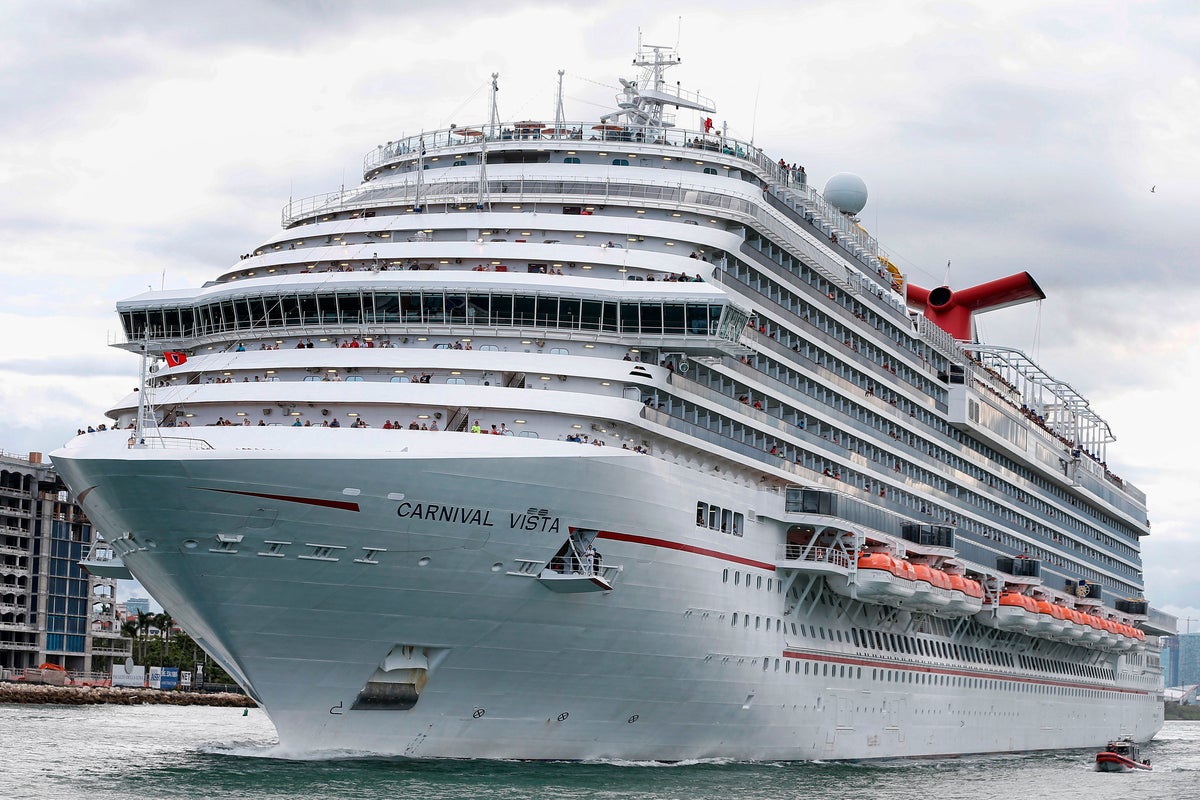
You board a massive floating resort thinking you left the dangers of the real world back at the pier. The brochures promise endless buffets, sparkling pools, and worry-free relaxation. But recent high-profile lawsuits against major operators like Carnival Cruise Line expose a much darker reality operating just behind the heavy crew-only doors.
When a shocking lawsuit claims a cruise line ignored dangerous, unmonitored spaces on a ship, it shouldn't surprise anyone who actually understands how maritime law operates. The public views these vessels as floating cities. In reality, they are foreign-flagged corporate enclaves operating under ancient legal frameworks that historically favor the ship owner over the passenger.
If you think shipboard security functions like your local police department, you're dead wrong. Understanding the systemic flaws in cruise ship safety and the legal loopholes corporations use to shield themselves isn't just academic. It can save your life or your financial future if things go sideways at sea.
Hidden Spaces and the Corporate Blind Eye
A recent legal battle pulled back the curtain on a horrifying incident aboard a major vessel where a heavily intoxicated passenger was allegedly trapped and assaulted in a secluded shipboard area. The details from the legal filings describe a terrifying scenario. A vulnerable guest, disoriented and injured, ended up in a restricted zone where a crew member allegedly took advantage of the total lack of surveillance and supervision.
This isn't an isolated mishap. It highlights a structural problem. Cruise ships are designed to maximize passenger space for revenue while tucking the mechanics of the ship, storage facilities, and crew quarters into labyrinthine corridors out of public sight. These utility areas lack the constant camera coverage found in casinos or main atriums.
The legal complaints argue that operators know these dark corners exist. They know these areas present a distinct hazard. Yet, the drive to cut costs or preserve a pristine vacation image means security guards rarely patrol these industrial zones effectively. When an assault occurs in a storage locker or an unsupervised spa treatment room, the corporate defense mechanism kicks in instantly.
The immediate reaction from corporate risk management usually follows a predictable script. They claim the encounter was consensual. They blame the victim's alcohol consumption. They point to internal policies that forbid crew members from fraternizing with guests, as if a line in an employee handbook magically dissolves a corporation's liability for the actions of its workforce.
The Legal Reality of Strict Liability on the High Seas
Most passengers don't realize that when a crew member assaults a guest, the legal battlefield changes completely compared to a standard personal injury case on land. Under federal maritime law, cruise lines face what's known as strict vicarious liability for the intentional torts of their crew members.
This means if a cabin steward, janitor, or spa technician assaults you during your voyage, the cruise line is automatically liable. You don't have to prove the cruise line knew the employee was dangerous beforehand. You don't have to prove they were negligent in hiring them. The law recognizes that passengers are completely dependent on the ship's crew for their safety in the middle of the ocean.
This legal reality explains why cruise line lawyers fight so desperately to keep these cases from ever reaching a jury. Look at the numbers. In past federal cases in Miami, juries have hit operators with massive eight-figure verdicts when the facts of a crew assault become public. In one notable case involving an assault in a shipboard storage closet, a Florida federal jury awarded over ten million dollars to a survivor.
The industry fights these verdicts tooth and nail on appeal. They try to introduce conflicting reports from initial investigations or argue that the trial judge improperly restricted their defense. They want to shift the focus away from their failure to secure their own vessel and onto the behavior of the passenger.
Why Crimes at Sea Disappear into Legal Black Holes
When a serious crime occurs in your hometown, local police secure the scene, gather forensic evidence, and hand the case to a local prosecutor. On a cruise ship in international waters, that entire system vanishes.
The FBI has jurisdiction over crimes against American citizens on the high seas, but they aren't sitting in the next cabin. By the time federal agents board a ship at its next port of call, hours or days have passed. The crime scene has often been cleaned by crew members performing their daily duties. Evidence degrades. The ship's internal security team has already conducted controlled interviews, frequently shaping the narrative to protect the company's brand.
The numbers reported under the Cruise Vessel Security and Safety Act paint a disturbing picture, yet experts know the official statistics represent a mere fraction of the actual occurrences. Victims face immense psychological pressure from shipboard staff. They are isolated in medical bays. They are sometimes discouraged from pursuing formal reports that would require the ship to alert federal authorities.
The jurisdiction issue gets even murkier if an incident involves passenger-on-passenger violence. Unlike crew-on-passenger assaults, strict liability doesn't apply when another guest hurts you. To win that legal fight, you must prove the cruise line had notice of the danger and failed to take reasonable steps to prevent it. That's a massive legal hurdle. The industry uses its vast resources to argue that spontaneous violence between guests is completely unforeseeable.
What to Do If the Worst Happens on Your Vacation
If you or someone you travel with faces an emergency or an assault at sea, you cannot rely on the cruise line to protect your legal rights. You must treat the situation with the same urgency you would on land, despite being trapped on a floating hotel.
First, document absolutely everything immediately. Use your phone to take photos of the location, any physical injuries, and the names of any crew members involved. Don't let the ship's security team take your phone or delete files under the guise of an internal investigation.
Second, demand immediate medical attention but understand that the shipboard doctor works for the cruise line, not you. Request a sexual assault forensic exam if applicable. The law requires ships to carry these kits. Insist that the evidence be sealed properly and kept secure until federal authorities can receive it.
Third, bypass the ship's management whenever possible to report the incident directly to law enforcement. You can contact the FBI directly or report the crime to the US Coast Guard. Don't wait for the ship's captain to make the call for you.
Fourth, refuse to sign any statements, waivers, or incident reports prepared by corporate security. These documents are routinely written with leading language designed to compromise your ability to file a lawsuit later. They want you to agree that you were dizzy, clumsy, or entirely at fault for being in a restricted area.
The Fine Print That Strips Away Your Rights
Before you even step onto the gangway, you sign away a massive portion of your legal rights. The cruise ticket contract is a lengthy, dense document that nobody reads, but it holds immense power in a courtroom.
These contracts contain strict forum selection clauses. No matter where you live, and no matter where the cruise departed from, the contract usually forces you to file any lawsuit in one specific federal court. For Carnival, Royal Caribbean, and Norwegian, that court is almost always the United States District Court for the Southern District of Florida in Miami.
The contract also slashes the statute of limitations. While a personal injury claim on land might give you two to four years to file a lawsuit, cruise tickets routinely limit your window to just one single year. Even worse, they often require you to provide formal written notice of your intent to sue within six months of the incident. Miss that deadline by a single day, and your case is legally dead before it even starts.
Protecting Yourself in an Unregulated Environment
You can't count on international maritime organizations or corporate boards to prioritize your physical safety over their quarterly profit margins. Staying safe requires a shift in how you view the cruise environment.
Treat the ship like a major metropolitan area at 2 AM. Avoid isolated decks late at night. Never allow yourself or your traveling companions to walk through crew-only corridors or accept invitations to private crew areas. The rules against crew fraternization exist for a reason, and any crew member violating them presents an immediate red flag.
Watch your drinks with extreme vigilance. Overserving alcohol is a primary revenue driver for these lines, and predators on ships look for intoxicated targets exactly like they do in land-based bars. If a friend has had too much to drink, escort them directly back to their cabin and ensure the door locks completely behind them.
The cruise industry relies on the illusion of absolute safety to keep the cabins filled. By understanding the legal realities, the structural risks of these massive ships, and the aggressive nature of corporate risk management, you can protect your family from becoming another tragic statistic in a federal court filing. Keep your wits about you, verify your cabin door locks properly, and never assume the crew is looking out for your best interests.