The maritime industry is currently facing a public health crisis that contradicts every glossy brochure in circulation. As of this week, the Hantavirus outbreak linked to international cruise travel has spiked to 11 confirmed cases, centered on a high-profile luxury vessel. The situation shifted from a localized concern to an international emergency when a French national was evacuated for emergency treatment involving extracorporeal membrane oxygenation (ECMO)—an artificial lung. This medical escalation highlights a terrifying reality: a virus usually associated with rural cabins and dusty outhouses has found a way into the recirculated air and tight corridors of a billion-dollar floating resort.
This is not a standard case of Norovirus or seasonal flu. Hantavirus Pulmonary Syndrome (HPS) carries a mortality rate of approximately 38%. It is a brutal, unforgiving respiratory killer. While the industry attempts to frame this as an isolated incident of bad luck, the investigative reality suggests a systematic failure in pest management and the hidden corners of shipboard logistics.
The Breach in the Sealed Hull
Public perception of cruise ships often mirrors that of a sterile, controlled environment. Reality is messier. To understand how Hantavirus—traditionally transmitted through the droppings, urine, and saliva of infected rodents—ended up on a luxury liner, one must look at the supply chain.
Ships are floating cities that require massive, frequent restocking. These restocking events occur at diverse international ports, some with questionable sanitary oversight. If a single pallet of dry goods from a contaminated warehouse is loaded onto a ship, the virus enters a closed ecosystem. In the dark, warm sub-structures of a vessel—where wiring, plumbing, and ventilation ducts create a hidden highway—rodents find a perfect habitat.
The French patient currently fighting for her life represents the "sentinel case" for the severity of this strain. Her transition to an ECMO machine indicates that her lungs were no longer capable of exchanging oxygen and carbon dioxide. In these instances, the virus causes the capillaries in the lungs to leak fluid, effectively drowning the patient from the inside out. It is a rapid, violent progression that leaves little room for error in diagnosis.
A Failure of Early Detection
The cruise line’s initial response followed a predictable, corporate script. Early reports of "flu-like symptoms" among passengers were downplayed, likely to avoid the PR disaster of a quarantine. This delay is where the danger multiplied.
Hantavirus begins with fatigue, fever, and muscle aches. It looks like a dozen other minor illnesses. However, the window for intervention is narrow. By the time the tenth and eleventh cases were identified, the virus had already had weeks to settle into the respiratory tracts of its hosts.
The Mechanics of Airborne Transmission
Most people assume you have to be bitten by a rat to contract a disease. This is a dangerous misconception. The primary threat on a ship is aerosolization. When rodent waste is disturbed—perhaps by a crew member cleaning a storage locker or by the vibration of the ship's massive engines near ventilation shafts—microscopic viral particles become airborne.
In the confined spaces of a cabin or a windowless dining hall, passengers inhale these particles. The ship's HVAC system, if not fitted with medical-grade HEPA filtration, becomes a delivery mechanism rather than a safety feature. The industry’s reliance on recirculated air to maintain energy efficiency suddenly looks like a fatal design flaw.
The Economic Pressure to Stay at Sea
Why wasn't the ship docked immediately? The answer is found in the brutal math of maritime insurance and loss of revenue. A single day of canceled operations can cost a major cruise line millions of dollars. There is an inherent conflict of interest between a company’s duty to its shareholders and its duty to passenger safety.
Investigative look-backs at previous maritime outbreaks show a pattern: companies wait for a "tipping point" before taking drastic action. In this case, the tipping point was a passenger being flown out on an artificial lung. Only then did the narrative shift from "monitoring a situation" to "emergency response."
The Regulatory Grey Zone
International waters provide a convenient shield for cruise operators. While the CDC and similar international bodies provide guidelines, the enforcement of rigorous pest control and air quality standards varies wildly depending on the ship's flag of convenience. Many of these vessels are registered in nations with lax oversight, allowing them to bypass the stringent inspections that would be mandatory for a land-based hotel or hospital.
The current outbreak proves that "compliance" is not synonymous with "safety." A ship can pass an inspection on Monday and have a rodent breach on Tuesday through a single gangway or a shipment of fresh produce.
The Challenge for Modern Medicine
Treating Hantavirus is purely supportive. There is no vaccine. There is no specific antiviral drug that "cures" HPS. Doctors can only keep the patient’s body functioning—through ventilators or ECMO—and hope the immune system can win the war before the organs fail.
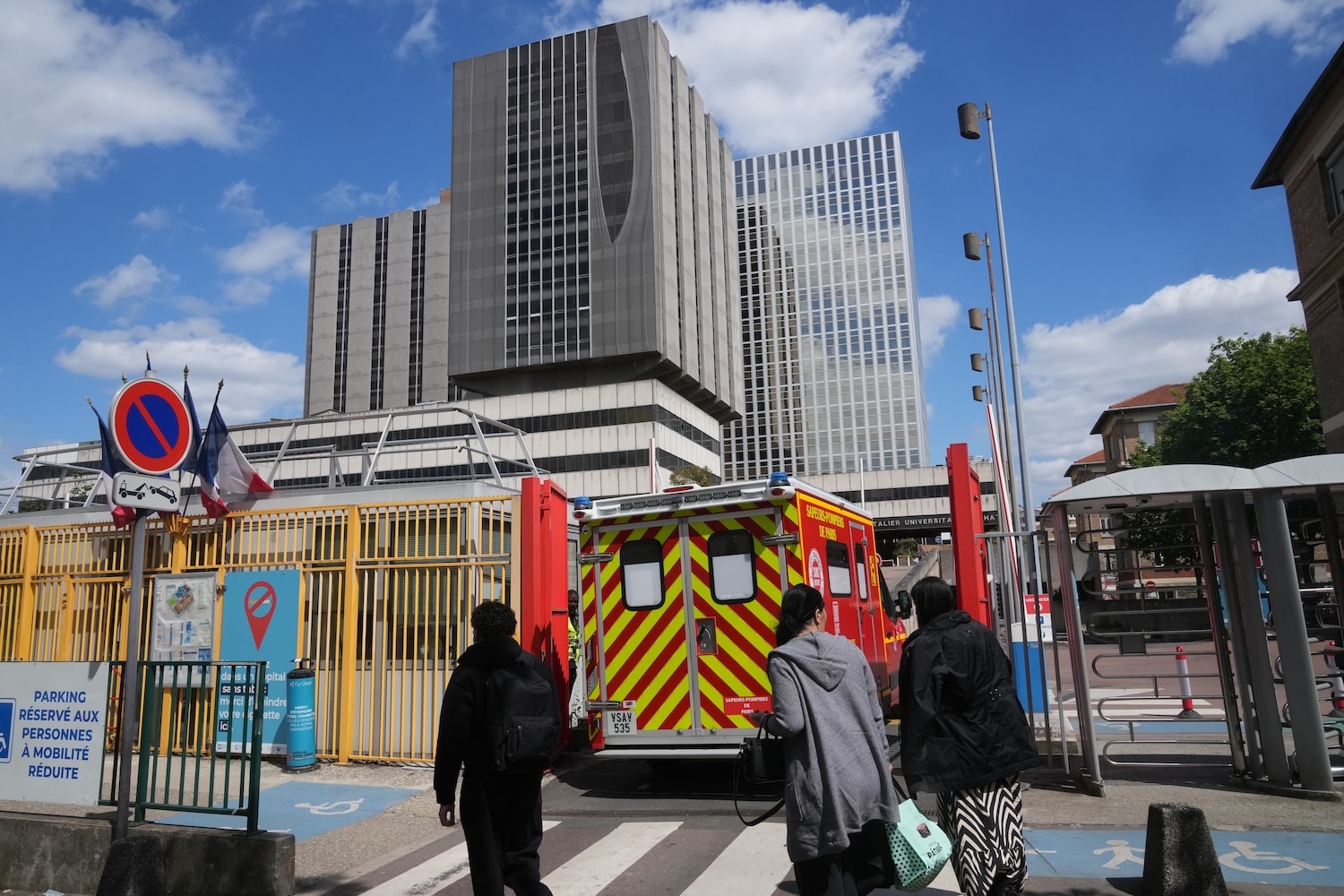
This puts an immense burden on the healthcare infrastructure of port cities. When a ship docks with multiple critical patients, it can overwhelm local ICU capacity instantly. The French woman’s evacuation was a logistical feat, but it is not a scalable solution for an outbreak that reaches into the dozens or hundreds.
Overlooked Factors in Shipboard Hygiene
We must talk about the crew. Crew quarters are often more crowded and less scrutinized than passenger areas. If an outbreak starts among the staff who handle food or clean cabins, the spread becomes exponential. Current reports have not yet clarified the ratio of crew-to-passenger infections in these 11 cases, but historically, the crew acts as the invisible vector.
Furthermore, the "sanitization" protocols advertised by cruise lines are often focused on surfaces. They use UV lights and chemical wipes. These are effective against bacteria on a countertop but do nothing for a virus lurking inside the ventilation ducts or within the insulation of the ship's walls.
The Immediate Action for Travelers
For those with upcoming bookings, the advice is no longer to just "wash your hands." Hand sanitizer does nothing for an airborne pathogen.
- Question the HVAC: Demand to know if the vessel uses HEPA-13 filtration in guest areas.
- Monitor the Supply Chain: Be wary of ships that have recently ported in regions with known endemic Hantavirus activity.
- Respiratory Awareness: If fever and muscle aches appear within weeks of a cruise, medical professionals must be told specifically about the maritime history.
The cruise industry is at a crossroads. It can continue to treat these outbreaks as PR hurdles to be managed with carefully worded statements, or it can overhaul the fundamental engineering of shipboard air and waste management. Until the hidden highways behind the cabin walls are secured, the "luxury" of the open sea remains a high-stakes gamble with one's life.
The woman on the artificial lung is not a statistic; she is a warning. The hull of a ship is designed to keep the water out, but it has become increasingly clear that it is also very good at keeping the death in.