Energy policy battles rarely stay quiet for long, but few recent decisions carry the immediate financial weight of a federal judge stepping in to block the dismantling of a massive clean energy initiative. When a federal court ruled that the Environmental Protection Agency acted unlawfully by pulling the plug on a multi-billion-dollar clean energy rollout, it threw a wrench into executive branch overreach and offered a lifeline to communities desperate for utility bill relief.
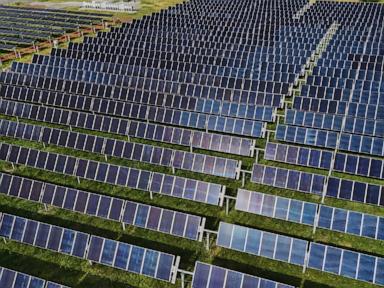
At the center of this storm is the Solar for All program, a $7 billion slice of the broader Greenhouse Gas Reduction Fund born out of the 2022 Inflation Reduction Act. The entire premise was straightforward: inject heavy federal backing into distributed solar arrays, community projects, and battery storage specifically designed to lower electricity costs for more than 900,000 lower-income households.
Then political shifts happened, leadership changed, and the EPA tried to cancel the funding stream entirely, arguing that subsequent legislative moves gave them the authority to strip the money back.
Federal courts didn't buy it.
What the Rulings Actually Mean on the Ground
If you think this court decision instantly unlocks billions of dollars and gets solar panels bolted onto roofs tomorrow, pump the brakes. Legal victories in federal district courts are rarely the final word.
The EPA stated it is reviewing the decisions and considering its options for appeal, meaning the administrative tug-of-war is far from over. When the first major ruling came down from a federal judge in Rhode Island—sparked by a coalition including the Rhode Island AFL-CIO and environmental justice nonprofits—followed closely by a similar victory in a suit brought by Harris County, Texas, it established a clear judicial boundary. Executive agencies cannot simply ignore congressional appropriations because a new administration prefers a different energy mix.
Yet, businesses and local state energy offices caught in the crossfire know the brutal cost of delay. Companies that scaled up operations, hired extra installers, and leased warehouse space anticipating those grants have spent months absorbing overhead while cash was frozen. A court vacating a cancellation order is a massive legal win, but bureaucratic machinery moves slowly when an agency is looking for ways to drag out the fight.
Why Low-Income Solar Grants Became a Political Battleground
To understand why this $7 billion pool became such a fierce target, you have to look at the intersection of grid reliability and soaring utility rates.
Across the country, everyday families face an electricity affordability crisis. Utilities are pumping massive capital into maintaining aging infrastructure and powering energy-hungry data centers, passing those billions straight down to residential ratepayers. Clean energy advocates point out that local rooftop and community solar installations reduce strain on the transmission grid while cutting bills for people who spend a disproportionate amount of their income on power.
Critics of these programs often target federal spending as government overreach or corporate industrial policy. But the legal argument in these recent lawsuits didn't hinge on whether solar is popular or effective. It came down to a fundamental constitutional principle: the separation of powers. Congress allocated the money. The statute laid out the mandate. An agency head cannot simply rewrite the budget by administrative fiat.
The Broader Fallout for Clean Energy Funding
This legal clash serves as a preview for how climate policy will weather shifting political landscapes over the coming years. While some clean energy incentives face immediate rollbacks or bureaucratic hurdles, laws passed by Congress retain legal teeth unless formally repealed through proper legislative channels.
State attorneys general, local municipalities, and labor groups are realizing they have standing to fight back when federal purse strings are pulled illegally. For regions that baked these grants into their long-term infrastructure plans, the court decisions restore a path forward.
If you are a local official, a small business owner in the solar space, or a resident tracking utility relief programs in your state, keep a close eye on the appellate filings. Check with your state energy office to see how their specific grant applications are positioned while the legal dust settles. The money is legally anchored by congressional intent, but getting it past the administrative gatekeepers will require staying persistent through every round of appeals.