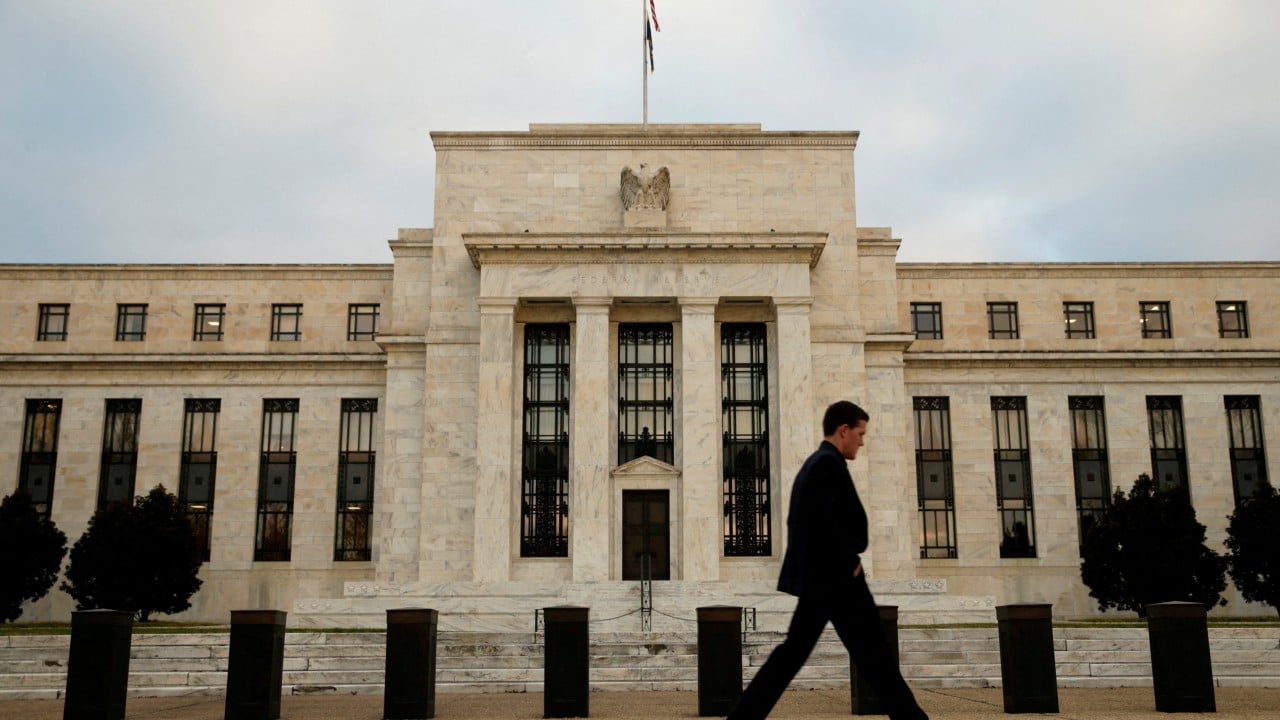
The marble of the Eccles Building is always cold. It absorbs the heat of Washington, the breath of lobbyists, the frantic energy of journalists camped outside the bronze doors, and gives nothing back. It is designed that way. Architecture is a statement of permanence in a city built on shifting sand.
Inside that cool, cavernous quiet, men and women in tailored suits sit around a mahogany table and make decisions that ripple outward with the terrifying precision of a dropped stone in a mountain pool. Don't forget to check out our earlier coverage on this related article.
For three years, that pool had been frozen.
Since 2018, the dial had remained stuck. The cost of borrowing money—the foundational gravity of the American economy—was held near zero. It was an emergency measure born of a fractured world, a defibrillator applied to a cardiac arrest. But emergencies have a way of lingering. They stretch into months, then years, until the abnormal begins to feel like a birthright. If you want more about the history here, Reuters Business provides an excellent summary.
Then came a single afternoon in March 2022. The Federal Reserve raised interest rates by a quarter of a percentage point.
To the casual observer scanning a financial ticker between sips of morning coffee, it looked like a microscopic adjustment. Twenty-five basis points. A rounding error. A footnote. But numbers in finance are like tectonic plates; a shift of a millimeter miles underground can crack a cathedral fifty miles away.
Consider Sarah, a hypothetical small business owner in Ohio. She doesn't read the Federal Register. She doesn't track quantitative tightening or balance sheet roll-offs. She knows her business by the smell of hot solder and the rhythmic hum of her three CNC milling machines, purchased on a ten-year equipment loan when money was practically free.
To Sarah, zero percent interest wasn't a policy; it was breathing room. It was the margin that allowed her to hire two young apprentices straight out of vocational school, to keep health insurance premiums from eating her profit margins, to sleep at night without calculating whether next month's invoice would clear before the payroll hit.
When the Fed flicked that switch, Sarah’s world didn't end in a dramatic explosion. It tightened.
Her line of credit, variable by design, crept upward. The interest payment on her equipment loan stopped being a minor administrative annoyance and began gnawing at her operational cash. Within six months, she had to make a choice every small business owner dreads: let one of the apprentices go or defer the maintenance on her primary milling spindle.
That is the invisible engine of monetary policy. It operates not in the grand halls of central banks, but in the quiet panic of a ledger book at midnight.
The decision to hike rates wasn't made in a vacuum. It was a reluctant acknowledgment of an invisible thief: inflation. For months, prices at the pump, at the grocery store, and on shipping docks had been climbing. Dollars were losing their grip. The Fed, tasked with the impossible dual mandate of keeping employment high and prices stable, found itself staring down a runaway train.
Raise rates too slowly, and inflation eats the savings of every working family. Raise them too fast, and you throw millions out of work.
And then there was the external pressure. The human element isn't confined to Main Street; it echoes in the executive suites and, most loudly, down Pennsylvania Avenue.
Donald Trump knew the power of cheap money. To a real estate developer who built empires on leverage, low interest rates were the oxygen of ambition. Every penny saved in interest was a penny added to equity. To him, the Federal Reserve under Jerome Powell wasn't an independent arbiter of economic health; it was a brake pedal pressed too hard, too soon, by drivers who didn't understand the roar of the engine.
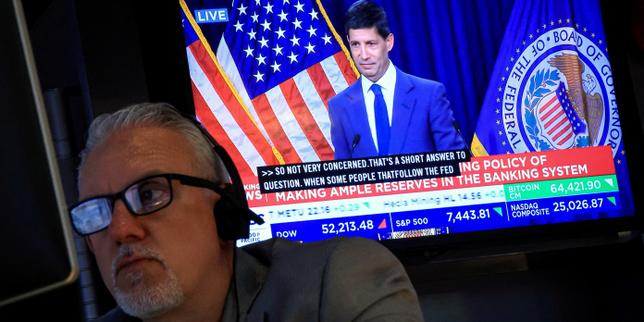
When the hike was announced, the reaction was swift and unfiltered. Long before official statements were polished by communications teams, the public sparring began. Accusations of political bias flew. The sanctity of central bank independence—that fragile, sacred fiction that keeps politicians from printing money to win elections—was dragged into the cable news crossfire.
Why does any of this matter to someone who doesn't trade bonds or manage a portfolio? Because money is the nervous system of society.
When money is free, risk is cheap. Companies expand without discipline. Asset prices inflate. People buy homes they stretch to afford, believing the future will always look like the present. We build an entire economic culture on the assumption that tomorrow will be slightly cheaper to finance than today.
When the Fed raises rates, it is an admission that the party is over. The lights are coming up. The bartender is turning off the tap.
The immediate aftermath is rarely clean. Mortgage rates double within months. The housing market, which had been racing like a fever patient, suddenly hits an invisible wall. First-time buyers, young couples with cardboard boxes stacked in rental apartments, find their dream homes sliding out of reach as monthly payments jump by hundreds, sometimes thousands, of dollars.
It feels personal. It feels like a betrayal by a system that promised upward mobility.
Yet, to understand why the Fed acted, you have to look at the alternative. Unchecked inflation is a regressive tax. It hits the bus driver, the retired teacher on a fixed pension, and the single mother working two jobs far harder than any interest rate hike ever could. Inflation steals quietly, eroding the purchasing power of a dollar while you sleep. High interest rates are loud, painful, and disruptive, but they are designed to stop that silent robbery.
We are notoriously bad at weighing immediate pain against distant safety. We feel the sting of a higher car loan payment today far more acutely than we feel the abstract danger of runaway inflation three years from now.
That is why central bankers are universally reviled. They are the physician who must lance a wound. No one thanks the surgeon for the pain of the incision; they only feel the knife.
As the dust settled on that March afternoon, the reality of a new economic era began to set in. The three-year grace period was over. The era of ultra-cheap money was history, buried under the weight of rising consumer prices and a recalibrating global market.
Sarah kept her business open, but she did it by cutting margins to the bone, delaying her own salary for three months, and learning the bitter math of survival in an expensive world.
The mahogany table in Washington remained polished and cold. The men and women around it moved on to the next meeting, the next data release, the next set of projections. But out in the sprawling, noisy, ordinary world of small shops, mortgages, and grocery carts, the temperature had dropped.
The cost of money had returned. And we are all still learning how to pay it.