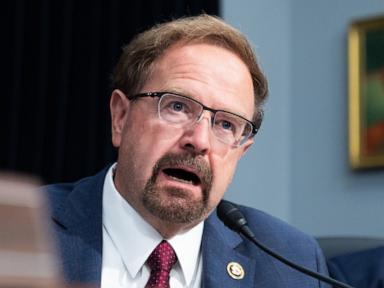
North Carolina Representative Chuck Edwards doesn't want his House colleagues to ruin his legacy over poems, presents, and excessive praise. Facing a stinging bipartisan ethics censure recommendation, the embattled Republican lawmaker recently fired off a six-page defense letter pleading with fellow members to vote no. His argument boils down to a fine line: he insists that being an affectionate boss isn't the same thing as crossing legal boundaries into harassment.
If you've followed the fallout, you know the House Ethics Committee painted a grim picture. Investigators spent months looking into claims that Edwards engaged in persistent unprofessional behavior toward two young female aides. The resulting report detailed a bizarre mix of heavy gift-giving—including designer bags, jewelry, and even firearms—alongside midnight texts, custom poetry, and intimate private dinners. The committee concluded that his actions created a hostile environment, pushing both women out of their jobs.
Edwards sees things entirely differently.
Decoding the Defense Letter
In his appeal to the chamber, Edwards draws a massive chasm between actual statutory violations and what he characterizes as misread personal affection. He points out hard facts from the investigative file itself: the panel found zero evidence of quid pro quo arrangements, no physical sexual contact, and no technical breach of federal harassment laws.
"An affectionate friendship is not a sexual proposition," Edwards wrote to his peers. "A gift is not sexual misconduct. A compliment is not sexual misconduct. Poetry is not sexual misconduct."
He argues that the committee took routine, albeit eccentric, displays of workplace closeness and stitched them together to fit a predetermined narrative. According to his legal defense, the panel relied heavily on speculative inferences rather than smoking-gun proof. He even noted that one of the staffers viewed him more like a parental figure, a detail he claims investigators glossed over to maintain their harsh conclusions.
The Reality of Power Dynamics on Capitol Hill
You don't need to be a Washington insider to spot the flaw in relying solely on technical legal definitions. The ethics panel didn't nail Edwards for breaking criminal statutes; they nailed him for a severe abuse of professional boundaries.
When a powerful boss in his sixties showers a 19-year-old intern or a junior staffer in her early twenties with thousands of dollars in jewelry, designer shoes, and private vacations, the power dynamic does the heavy lifting. Employees rarely feel free to reject gifts or poetry from the person who signs their paycheck and dictates their career trajectory. The committee's report emphasized that even if Edwards claimed innocent intentions, a reasonable observer would immediately spot the coercion baked into the dynamic.
The fallout has already altered his political survival. Just days after the ethics report dropped, Edwards abandoned his reelection campaign for North Carolina's 11th District. Local Republicans quickly moved forward by selecting state Representative Jennifer Balkcom as his replacement nominee for the general election.
House leadership plans to bring a privileged resolution for a fast-tracked censure vote the moment members return to Washington. A censure requires no expulsion, but it forces a public rebuke where the lawmaker must stand in the well of the House to take their medicine. Whether his colleagues buy his distinction between bad poetry and misconduct will become clear on the floor very soon.
NC congressman quits reelection bid amid allegations of inappropriate conduct
This video provides a news broadcast detailing Chuck Edwards' withdrawal from his reelection campaign following the House Ethics Committee report.
http://googleusercontent.com/youtube_content/1