The asphalt does not merely warm up; it softens. It holds onto the daylight long after the sun has dipped below the horizon, breathing that stored exhaustion back into the faces of anyone foolish enough to walk the London pavements without a destination.
You know the feeling. The air stops moving. It sits heavy and stagnant against your collarbone, tasting faintly of exhaust and dry dust. Your shirt sticks to your back within minutes of stepping outside. By the time the UK Health Security Agency issues its yellow and amber heat health warnings—signaling that temperatures are climbing toward a punishing 34 degrees Celsius—most people treat it as a weather report. They hear a number. They think of shorts, sunglasses, and an excuse to find a shaded pub beer garden.
They are missing the danger entirely.
Extreme heat is an invisible hazard. It does not crash like a wave or roar like a gale. It slips quietly through open windows, wraps itself around the vulnerable, and tightens its grip before anyone realizes they are in trouble.
The Anatomy of a Searing Afternoon
Consider Arthur, a hypothetical eighty-two-year-old living alone in a third-floor flat in south London. To Arthur, the heat is initially just an inconvenience. He remembers summers from his youth, dismissing the modern fuss as a symptom of a coddled era. He keeps his windows shut because the street noise is loud. He forgets to drink water because he simply does not feel thirsty.
That is the first trap. As we age, our bodies lose their acute sense of thirst. Our physiological warning systems dull precisely when they are needed most.
By mid-afternoon, the temperature inside Arthur's flat has eclipsed the stifling numbers recorded outdoors, turning his living space into an oven that lacks any meaningful cross-breeze. His heart begins to work harder, pumping faster just to push thick, sluggish blood toward his skin to cool him down. His kidneys strain. His blood pressure drops. Without realizing it, Arthur has crossed the line from discomfort into heat exhaustion. If someone does not check on him, that trajectory leads straight to heatstroke, where the body's internal thermostat fails completely and organs begin to shut down in a cascade of silent failures.
This is why meteorologists and public health officials panic when the mercury hits the mid-thirties in a country built for damp wool and gray drizzle. Britain is engineered to trap heat, not shed it. Our Victorian terrace houses, our double-glazed modern apartments, and our concrete-heavy urban centers are thermal sponges.
Why England Melts Under Thirty-Four Degrees
It sounds absurd to international travelers visiting from places where forty degrees is a casual Tuesday. How can thirty-four degrees cause a national crisis?
Context is everything.
Air conditioning is a rarity in British residential homes. Most buildings are insulated to keep warmth in, acting as efficient thermal traps designed for winters that feature frost and biting winds. When a plume of hot air surges northward from the Sahara or the European continent, it encounters a population and an infrastructure completely unaccustomed to prolonged thermal stress.
Furthermore, the urban heat island effect amplifies the temperature in cities like London, Manchester, and Birmingham. Concrete, brick, and asphalt absorb solar radiation during the day and re-emit it slowly at night. While rural areas might get a brief respite of cool air after dark, urban dwellers toss and turn in tropical nights where temperatures refuse to drop below twenty degrees. There is no recovery window. The body never gets to reset. Day bleeds into restless, sweating night, compounding the physiological burden over successive days.
The UK Health Security Agency and the Met Office do not issue these amber warnings lightly. They are calibrated based on excess mortality data. When temperatures spike like this, the spike in emergency calls is immediate. Hospitals fill with older adults suffering from dehydration, respiratory distress brought on by stagnant air and trapped pollution, and exacerbations of chronic heart and kidney conditions.
The Hidden Toll
We look at the beach photos splashed across tabloid front pages during a heatwave and assume everyone is thriving. We see the ice cream cones and the crowded Brighton shoreline.
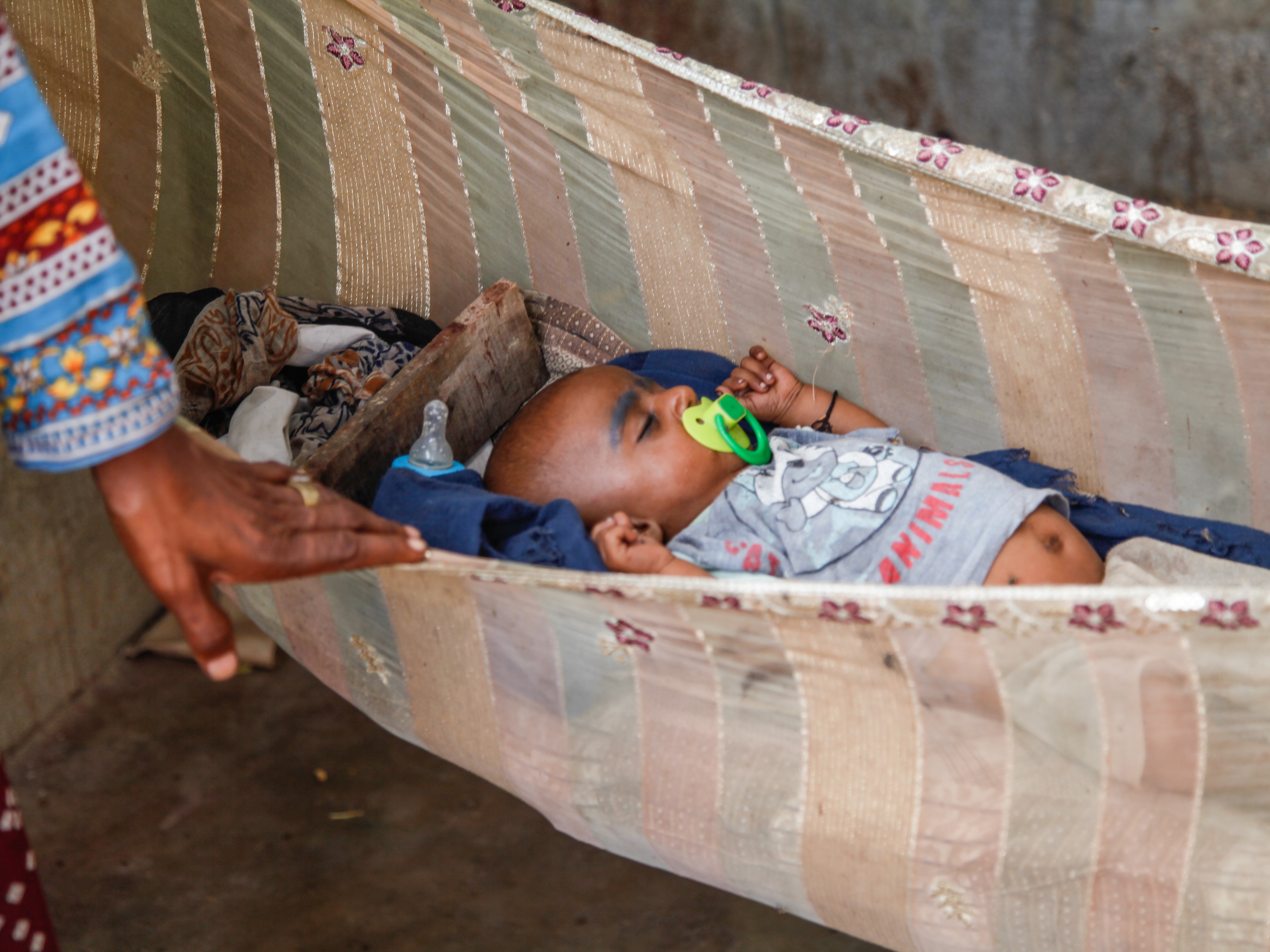
We do not see the delivery drivers slogging through asphalt shimmer in full work gear. We do not see the night-shift workers trying to sleep through the blinding, humid glare of midday in rooms that feel like saunas. We do not see the parents anxiously monitoring a sleeping infant, terrified of Sudden Infant Death Syndrome linked to overheating.
During the historic heatwaves that have tested England in recent years, thousands of excess deaths occurred. Not all of them made headline news. Many happened quietly behind closed doors, logged later as statistical anomalies in weekly mortality reports.
We must adjust how we talk about weather. A thirty-four-degree forecast is not an invitation to sunbathe without caution; it is a severe environmental hazard.
Navigating the Furnace
Protecting yourself and your neighbors requires a deliberate shift in routine.
First, rethink your relationship with your windows. The instinct is to fling them wide open to catch a breeze. But if the air outside is hotter than the air inside, you are only inviting the furnace into your home. The trick is to trap the cool morning air by shutting windows and drawing heavy curtains or blinds on the sun-facing side of your home before the sun peaks. Only open them up when the outside temperature drops below the indoor temperature late at night.
Second, hydration is not a reaction; it is a discipline. Waiting until your mouth feels like sandpaper means you are already behind. Keep a glass of water within arm's reach at all times. For older relatives or neighbors living alone, a simple knock on the door or a quick phone call can alter an entire trajectory. Ask if they have milk, ask if they are drinking, check if their flat is turning into a trap.
Third, respect the limits of your body. Exercise can wait. That five-kilometer run in the midday sun is not a badge of honor; it is an invitation for heat exhaustion to take hold. Shift strenuous tasks to the dawn hours, long before the sun has baked the streets.
The heat will break eventually. A thunderstorm will roll in, splitting the heavy sky, dropping sheets of cool rain onto the steaming pavement, and reminding us of the temperate, forgiving climate we usually call home. But until that storm arrives, treat the sunshine with the respect you would accord a rising flood or a howling gale. Stay low, stay hydrated, and look out for the person sitting quietly in the heat, waiting for relief that might not come on its own.