The air inside the Pennsylvania Avenue workspace smells faintly of old paper and ozone, the scent of a permanent address temporarily unsettled. Outside the tall, multi-paned windows, the heavy machinery does not care about precedent. It cares about torque. It cares about soil compaction and load-bearing steel.
For months, the legal briefs have piled up like cordwood, each one arguing the delicate balance between the preservation of a national icon and the sweeping ambitions of a sitting executive. To the lawyers in their crisp suits, this was an intricate dance of administrative procedure, separation of powers, and the precise boundaries of federal property management. But to the mason standing near the perimeter fence, watching the crane lower its first heavy bucket of aggregate, the dispute was simpler. It was about what we choose to build, and what we choose to bury. Meanwhile, you can read other stories here: Why PM Modi and Masoud Pezeshkian Meeting in Bishkek Changes the Game for West Asia.
The Supreme Court cleared the final legal hurdle this week, allowing the construction of the White House ballroom to move forward without further delay. No stay. No injunction. Just the green light for concrete and rebar.
Imagine standing on the South Lawn on a crisp October evening. Let us be clear: this is a hypothetical vantage point, designed to capture the tension of the moment rather than a specific event. The shadows stretch long across the manicured grass, reaching toward the colonnade. For over two centuries, this house has whispered its secrets to the men and women who walked its halls. Every state dinner, every tense midnight negotiation, every private heartbreak has been swallowed by these historic walls. Now, those walls are about to meet a massive, pillarless pavilion designed to host hundreds of dignitaries at once. To explore the full picture, check out the recent article by NPR.
Progress has a way of arriving with the sound of a diesel engine.
The project itself is not merely an architectural addition; it is an ideological statement carved in stone and glass. For generations, the executive mansion has grappled with a logistical contradiction. It is the nerve center of the free world, yet it functions with the square footage of a grand nineteenth-century estate. When foreign leaders visit, tents go up on the lawn. Rain beats against canvas. Wind rattles the temporary heating ducts. To its proponents, the new ballroom is an overdue modernization, a pragmatic necessity for a global superpower that entertains heads of state with the pomp of an empire.
Yet, preservationists saw it differently. They looked at the project and saw a rupture in the historical fabric. The argument winding its way through the federal courts was rooted in the National Historic Preservation Act and the powers of the Commission of Fine Arts. Critics asked a fundamental question: When does altering a national treasure cross the line from maintenance to defacement?
The judiciary gave its answer through silence, declining to halt the earthmovers.
To understand why this matters beyond the beltway, look at how we treat our collective memory. We are a nation obsessed with the new, yet fiercely protective of our symbols. We want our leaders to operate with twenty-first-century efficiency, but we demand that they do so within eighteenth-century aesthetics. It is an impossible friction. Every administration leaves a physical mark on Washington, D.C., transforming the capital into an archaeological layer cake of ego and necessity.
Think about the West Wing. Think about the Rose Garden, redesigned and replanted with every shift in political wind. The White House is not a museum preserved in amber. It is a living, breathing machine of statecraft.
When the Supreme Court refused to block the construction, it implicitly acknowledged this dynamic. The courts are ill-equipped to adjudicate matters of architectural taste or logistical adequacy. They deal in law, not floor plans. And because the statutory framework grants broad latitude to federal property administrators, the legal challenge dissolved against the sheer weight of executive authority.
The machines are moving now.
Consider the interior of the construction zone, as imagined through the lens of those overseeing the project: Dust covers the priceless moldings. Plastic sheeting curtains off rooms where treaties were signed. The contractors wear hardhats bearing corporate logos, stepping carefully over floorboards that have felt the footsteps of Lincoln and Roosevelt. It is a strange collision of eras. The commercial reality of modern construction meets the hallowed halls of American history.
This is where the human element enters the equation. It is easy to view this through the lens of political theater—another battle in the endless culture war over what is sacred and what is subject to change. But zoom in closer. Look at the ironworkers hoisting beams into place. Look at the event planners who have spent decades trying to squeeze grand galas into the cramped confines of the East Room, sweating over seating charts while dignitaries bump elbows in narrow corridors. For them, this ballroom is not a political football. It is relief. It is a functional workspace upgrade on a grand scale.
Conversely, look at the historians archiving the blueprints of the original landscape. For them, every spadeful of earth turned on the grounds represents a permanent loss of original context. They know that once a landscape is altered, you cannot un-ring that bell. The lawn will never look quite the same. The sightlines from the Blue Room will be forever changed.
Change is rarely neat. It is loud, disruptive, and often permanent.
As the legal battles fade into the background and the concrete cures, we are left with a physical reality that will outlast the current occupants of the Oval Office, and the next several after them. Presidents come and go with the electoral tide, but concrete endures.
Walk past the perimeter fence late at night, when the floodlights hum and the security guards watch the shadows. The argument over the ballroom is technically over, settled by the highest court in the land without a single dissenting voice of consequence recorded in the final order. But the deeper question remains hanging in the night air.
What kind of house do we want our leaders to keep? Do we want a monument frozen in time, struggling to meet the demands of a complex world? Or do we want a living, adaptable structure that bends, builds, and expands to fit the ambitions of the office?
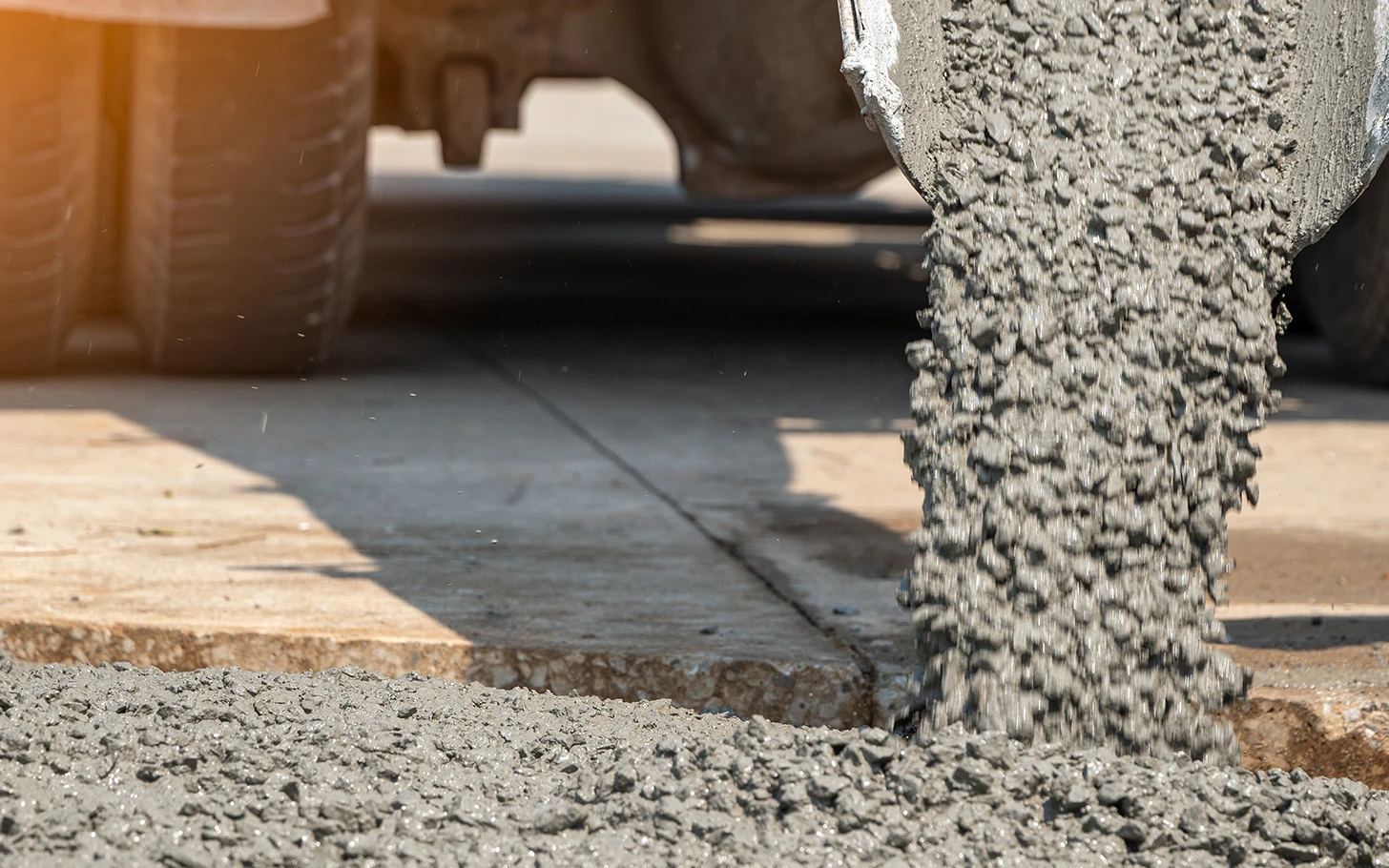
The foundations are being poured. The footprint is set. History is being rewritten, one yard of concrete at a time.