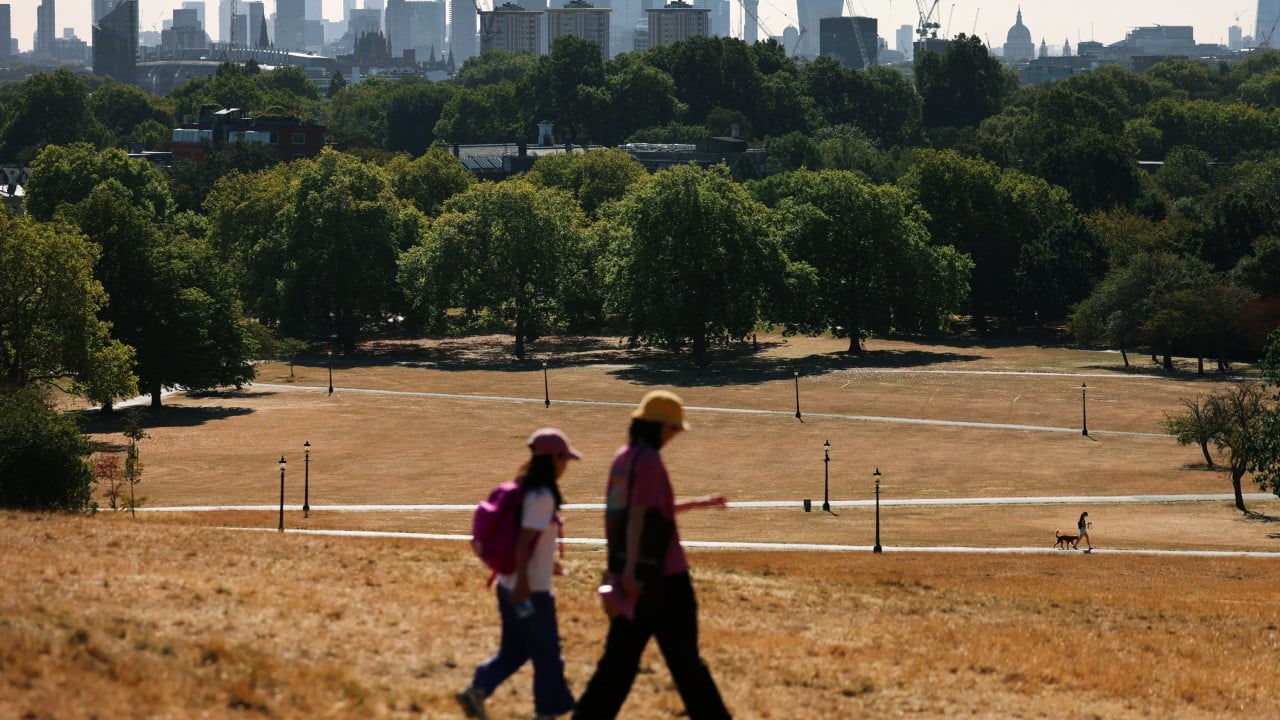
The air inside Ward 4 does not move. It sits heavy against the skin, thick with the scent of old linoleum, stale sweat, and the sharp, chemical tang of hand sanitizer. Outside, the British summer sun beats down on the brick facade with a cruel, unyielding glare. Inside, the thermometer mounted near the nurses' station reads thirty-two degrees Celsius.
That is ninety degrees Fahrenheit. In a hospital.
We built these buildings for sickness, not for fire. We designed them with concrete and ambition, decades ago, when summers were predictable and brick kept things cool enough. But the climate shifted. The concrete stayed. Now, the walls hold the heat like a bakery oven, radiating warmth long after the sun goes down, turning sterile corridors into slow-pressure cookers.
Consider the human cost of that heat.
Meet Dr. Aris Thorne. He is thirty-four, exhausted, and currently wiping his forehead with the back of a soggy forearm for the fourth time in ten minutes. His scrubs are soaked through at the collar. He has been on shift for ten hours, navigating a maze of bleeps, worried families, and elderly patients whose bodies are quietly rebelling against the thermal overload.
"You just feel it draining out of you," Aris says, his voice flat, stripped of the crisp professionalism he tries so hard to maintain. He gestures to a row of elderly patients resting in beds near the south-facing windows. "They come in for a chest infection or a minor fall. But the heat? The heat strips away what little reserve they have left. Their blood pressure bottoms out. Their kidneys start to fail. We are treating the illness, but the environment is working against us."
This is the hidden crisis of the National Health Service during extreme weather events. It is not just about discomfort. It is about a system buckling under physics.
The statistics are cold, but the reality is blistering. During peak heatwave conditions, emergency departments experience a surge in admissions that mirrors winter peaks. Except, in winter, you can turn up the boilers. In summer, you cannot easily cool a sprawling, Victorian-era hospital complex or a 1970s brutalist tower block that was never retrofitted with commercial air conditioning.
Fans churn the hot air around, doing little more than circulating the misery. Ice packs melt within minutes, turning into warm, useless puddles on bedside tables. Ward windows are often fixed shut for safety or security reasons, leaving rooms completely sealed off from any passing breeze.
Breathe in. Imagine wearing heavy polyester trousers and a stiff tunic, running down a corridor to assist with a cardiac arrest while the ambient temperature matches a tropical rainforest. The physical toll on NHS staff is staggering. Nurses report dizziness, dehydration, and cognitive fatigue. Mistakes become easier to make when your brain is overheating.
Yet, they keep going. They push carts. They check drips. They hold hands.
Why does this happen year after year?
The answer lies in infrastructure debt. The NHS is an institution of breathtaking scale and profound historical importance, but it is also chronically underfunded when it comes to capital maintenance. Fixing a leaky roof or upgrading an aging plumbing system always takes precedence over future-proofing a building against a heatwave that might only last a week. Until that week arrives, and the wards turn into saunas, and the intensive care units struggle to keep sensitive life-support machinery from overheating.
The vulnerability of the patients is absolute.
Take Margaret. She is eighty-two. She does not care about climate policy or capital budgets. She only cares that her chest feels tight and her tongue feels like sandpaper. When the ward temperature spikes, her heart has to work twice as hard just to keep her blood circulating. The nurses place a damp flannel on her forehead. It evaporates in five minutes.
"It's too warm," she whispers, her eyes cloudy with fatigue. "I just want a cool drink."
The tragedy is that dehydration and heat exhaustion are entirely preventable. We know how to cool buildings. We know how to install solar shading, high-efficiency ventilation, and climate control systems. But doing so requires money, political will, and a massive logistical overhaul of a healthcare system that is already fighting daily fires just to keep its emergency rooms open.
We treat heatwaves as anomalies. We call them freak weather events, as if they are unexpected visitors who will soon pack their bags and leave. But they are not visitors. They are the new baseline. Every summer is now a test of endurance for an organization that was designed for a different era entirely.
Think about what happens when the system fails. Operations are canceled because operating theatres become too warm to maintain sterile environments. Medications degrade in storage rooms that lack climate regulation. Staff call in sick from heat exhaustion, leaving already depleted teams to shoulder an impossible burden.
The strain ripples outward. Ambulances queue outside hospitals because emergency departments cannot process patients quickly enough, trapped in a bottleneck exacerbated by slow, heat-fatigued triage processes.
There is no simple villain here. There is no single politician to blame, no rogue manager to fire. The enemy is structural inertia. We are trying to run a twenty-first-century medical emergency inside a twentieth-century brick box that is slowly baking in the sun.
Change will not come easily. It will require billions in capital investment, years of disruptive construction work, and a fundamental reimagining of what a safe hospital environment looks like in a warming world. It will require acknowledging that climate adaptation is not an environmental luxury; it is a core pillar of public health.
Until then, Dr. Thorne will keep wiping his brow. Margaret will keep waiting for a damp flannel that stays cool for more than five minutes. The fans will keep humming, pushing the hot air in circles, desperate for a wind that refuses to blow.
The sun sets over the hospital roof, but the concrete does not cool. It holds the day's fury, waiting for tomorrow.