For decades, the sound of Macau was a singular, rhythmic roar. It was the heavy clink of ceramic chips sliding across felt, the mechanical sigh of slot machines paying out in crisp notes, and the constant, breathless hum of millions of visitors walking through gilded doors beneath imitation Parisian skies. Everyone came for the neon. Everyone came for the thrill of the bet.
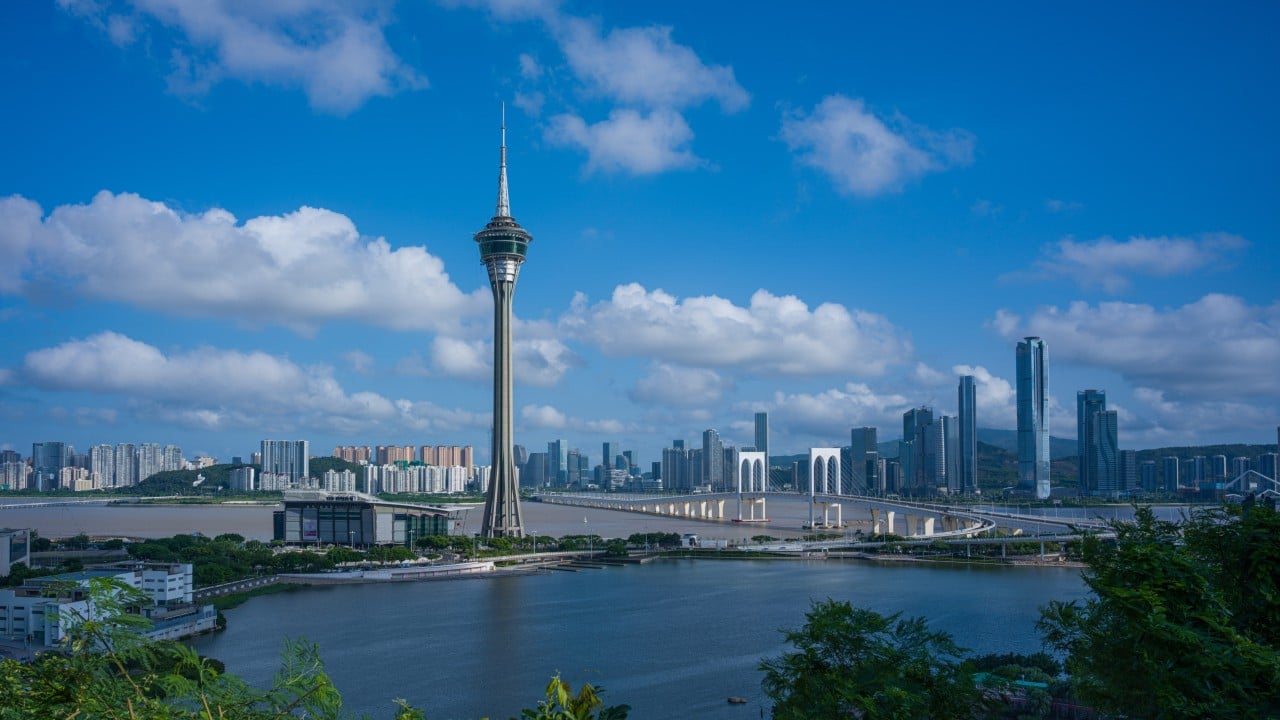
Stand on the waterfront near the Outer Harbour Ferry Terminal today, however, and you will hear a different frequency beneath the noise of the traffic. It is quieter. It sounds like the clack of a mechanical keyboard in a newly rented office space in Taipa. It sounds like a server rack humming in a cool, dark room, processing strings of code instead of stacks of cash.
Macau is changing its clothes.
To understand why this matters, you have to look past the casino floor and into the ledger of a city that built its entire identity on a single, glittering foundation. For generations, gaming taxes fueled the peninsula. They paved roads, built hospitals, and filled the public coffers. But a city built on luck eventually has to answer to mathematics. When the tables go quiet—as the world watched them do with staggering suddenness in recent years—the vulnerability of a single-pillar economy becomes stark, glaring, and terrifying.
Enter the financial services and fintech pivot. It sounds dry. It sounds like the kind of phrase bureaucrats use to fill PowerPoint slides while sipping lukewarm coffee in fluorescent-lit conference rooms. But on the ground, it is a desperate, brilliant, and high-stakes scramble for survival.
Consider a hypothetical person named Mateo. Mateo is thirty-four years old, born and raised in Coloane, and he spent his twenties working as a floor supervisor in one of the Cotai Strip mega-resorts. He knows how to read a high roller's micro-expressions. He knows the exact weight of a deck of cards. But Mateo spent his nights studying data science and financial technology, watching the world drift toward digital wallets, cross-border renminbi settlements, and blockchain-backed asset management.
Last year, Mateo left the casino. Today, he helps manage compliance software for a newly minted wealth management platform aimed at bridging mainland Chinese capital with Portuguese-speaking markets. His hands no longer touch chips. They touch cryptographic keys and compliance logs.
"We used to sell a feeling," Mateo tells me over a bitter cup of black coffee in a quiet shop away from the neon. "Now we have to sell security. And security is a lot harder to manufacture than a good time."
The pivot is not just a cultural shift; it is an economic rebuilding project of monumental proportions. Macau’s government, recognizing the ticking clock of its gaming concessions, has poured its weight into building a modern bond market, setting up wealth management infrastructure, and cultivating a digital asset ecosystem. They want to become the financial conduit between China and the Lusophone world—Brazil, Portugal, Mozambique, and beyond.
The numbers tell a story of deliberate momentum. Issuing sovereign and corporate bonds locally has gone from a theoretical talking point to a functioning reality, with billions in debt instruments now listed on the local exchange. Wealth management companies are sprouting up in NAPE and the New Urban Zone, hiring talent away from Hong Kong and Singapore by offering lower taxes and a slower, more deliberate pace of life.
Yet, the transition is fraught with friction.
Macau is small. Really small. You can cross the entire territory in less than an hour. Its talent pool, historically tailored to hospitality, entertainment, and gaming operations, does not naturally overflow with quantitative analysts, blockchain developers, or international tax attorneys. The local banking sector, while deeply capitalized and rock-solid, has traditionally been conservative, built on trade finance and retail deposits rather than high-risk venture capital or algorithmic trading.
Change hurts. It is expensive, messy, and uncertain.
Walk through the older neighborhoods like St. Lazarus parish, past the pastel-colored colonial houses and fading laundry lines, and you will find people who feel left behind by this high-tech makeover. To an elderly resident who has spent fifty years running a small noodle shop near the Ruins of St. Paul's, financial technology sounds like a ghost language. They do not care about cross-border wealth management platforms or digital renminbi pilots. They care about foot traffic. They care about tourists walking through their doors with cash in their pockets, ready to buy a bowl of beef brisket noodles.
This is the central tension of modern Macau. It is a city caught between two eras. One era is loud, immediate, and fading. The other is quiet, digital, and arriving whether the streets are ready for it or not.
To bridge this gap, the transformation cannot just happen in gleaming glass towers. It has to seep into the schools, the vocational centers, and the community halls. The University of Macau and the Macau University of Science and Technology are frantically rewriting their curricula, turning out graduates trained in artificial intelligence, data analytics, and financial engineering. They are planting seeds in concrete, hoping something durable will grow before the old water runs out.
There is a poetic irony here. Macau was founded centuries ago by maritime traders who braved unpredictable oceans for silk, spices, and silver. They were gamblers in the truest sense of the word, betting their lives on the horizon.
Today, the horizon has shifted from the open sea to the digital cloud. The stakes are just as high. If the diversification succeeds, Macau transforms from a fleeting playground into a permanent, diversified financial hub that can weather any global storm. If it fails, the city risks becoming a gilded relic, an aging theme park living off the memories of its roaring past.
Mateo checks his watch, finishes his coffee, and heads back toward his office. Behind him, the Grand Lisboa rises like a giant, golden lotus flower catching the afternoon sun. It is a breathtaking piece of architecture, heavy with symbolism. But as the code compiles on a screen inside a quiet office nearby, the real future of the city is being written somewhere else entirely, line by silent line, in a ledger that never sleeps.