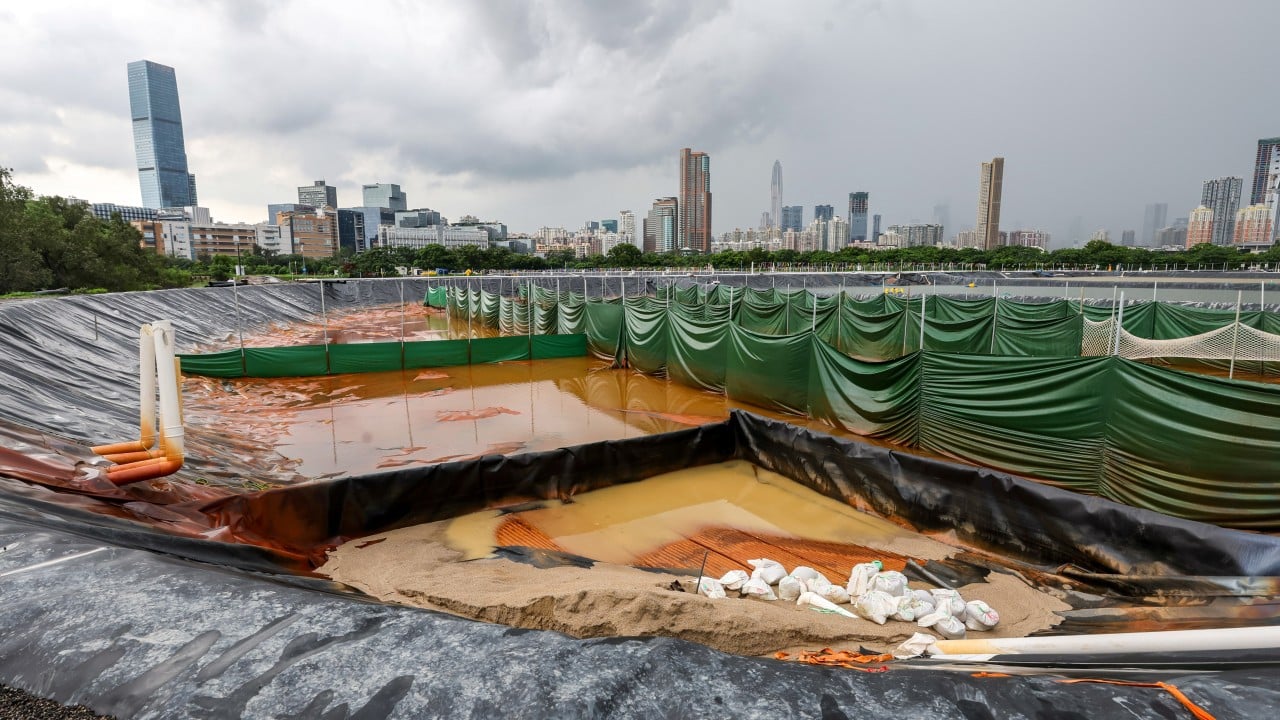
Public land belongs to everyone, but commercial aquaculture operations keep treating it like a free expansion zone. When a commercial fish farm encroaches on government land, it is not just a legal boundary dispute. It is a direct assault on local ecosystems. This sneaky expansion happens away from public view, tucked into public waterways, protected wetlands, and coastal reserves. By the time regulators notice the shifted fence lines or illegal underwater cages, the ecological damage is already done.
We see this pattern repeat globally. Private companies quietly push past their permitted boundaries to maximize profits, leaving taxpayers to clean up the biological mess. This is not a victimless corporate shortcut. It is a severe ecological threat that compromises water safety, destroys native wildlife habitats, and weakens environmental protections. Learn more on a similar topic: this related article.
The Quiet Land Grab in Public Waters
Most people think of land theft as someone putting up a fence in a national park. In aquaculture, it is much more subtle. A company gets a legal lease for a specific patch of water or coastal land. Then, over a few years, they slowly slide their pens, waste pipes, and storage facilities outward.
They assume nobody is checking. Often, they are right. Government agencies are frequently underfunded and lack the boats, drones, or personnel to monitor thousands of acres of public water regularly. Further analysis by The New York Times highlights similar perspectives on the subject.
This creates a massive enforcement gap. For an illustrative example, consider a typical mid-sized coastal operation. They might have a permit for five acres of water. But out on the waves, tracking exactly where five acres end and public waters begin is tough without precise GPS tracking. A farm might expand its perimeter by just ten percent a year. Within five years, they have effectively stolen public property to double their production capacity without paying a dime in extra lease fees or undergoing required environmental impact assessments.
This kind of creeping encroachment happens because the immediate financial rewards are massive while the penalties are often just small fines. It is simpler for a business to ask for forgiveness than to wait years for a legal expansion permit. But while the cash flows into corporate pockets, the surrounding environment bears the true cost.
Why Encroachment Triggers an Ecological Nightmare
When a commercial fish farm encroaches on government land or protected waters, it does not just occupy space. It alters the fundamental biology of that area. The environmental damage caused by unauthorized expansion is far worse than the footprint of a legally managed site because these boundary-breaking areas operate completely outside environmental oversight.
Excessive Nutrient Pollution and Dead Zones
Fish farms compress thousands of marine animals into tiny spaces. These fish produce an incredible amount of waste, including feces and uneaten food pellets. In a legally approved location, the site is chosen because the water currents are strong enough to flush this waste away and dilute it safely.
When a farm expands into unapproved government waters, it often spills into shallower bays, slow-moving rivers, or protected wetlands. The water stagnates. The sheer volume of organic waste overloads the system, pumping massive amounts of nitrogen and phosphorus into the water column.
This creates a textbook case of eutrophication. Algae feast on these nutrients and multiply at terrifying speeds. When the algae die, they sink to the bottom and decompose. This decomposition process sucks all the dissolved oxygen out of the water. What is left behind is a biological dead zone where native fish, crabs, and marine plants simply suffocated.
Genetic Contamination from Farm Escapes
Encroaching into unapproved areas often means placing pens in zones that are highly vulnerable to storms, rough currents, or boat traffic. When these illegal or poorly positioned pens break, hundreds of thousands of farmed fish escape into the wild.
This causes an ecological catastrophe. Farmed fish are bred for fast growth and high fat content, not for survival in the wild. When they escape, they compete directly with native species for food and spawning grounds. Worse, they breed with wild populations.
This interbreeding dilutes the natural gene pool. Wild fish have evolved over thousands of years to survive specific river systems and ocean conditions. The offspring of wild and farmed fish are weaker, less capable of navigating, and far more vulnerable to predators. Over time, a single major escape can permanently degrade the genetic resilience of an entire wild fish population.
The Spread of Disease and Chemical Runoff
High-density fish pens are breeding grounds for parasites like sea lice, as well as various viral and bacterial infections. In a tight space, disease spreads like wildfire. To keep their investments alive, commercial operators pour heavy doses of antibiotics, pesticides, and chemical treatments directly into the water.
When farms operate within their legal boundaries, these treatments are supposed to be monitored and regulated. But when an operation spills over onto government land, these chemicals pour directly into untouched public ecosystems.
The consequences are severe. Nearby wild populations get hammered by parasites escaping from the dense pens. At the same time, the constant dumping of antibiotics into public waters contributes to antibiotic-resistant bacteria, creating a long-term health hazard for both marine life and humans who use those waters.
The Economic Illusion of Cheap Seafood
Defenders of aggressive aquaculture expansion love to talk about jobs and affordable food. They argue that a few crossed boundaries are a small price to pay for economic growth. This is a complete illusion. The math does not add up when you look at the long-term balance sheet.
Commercial aquaculture businesses internalize their profits while externalizing their costs onto the public. When a farm destroys a public mangrove forest or pollutes a state-owned bay, the company does not pay for the lost ecosystem services. The public does.
Healthy wetlands and coastal areas provide massive economic value. They act as natural storm buffers, protecting coastal towns from erosion and flooding. They serve as nurseries for wild commercial fisheries, supporting local independent fishermen. When an encroaching fish farm wipes out these habitats, the local tourism, sport fishing, and commercial fishing industries suffer immediate financial losses.
We are trading sustainable, long-term public resources for short-term private gain. The cost to restore a ruined wetland or clean a polluted bay can run into millions of taxpayer dollars, completely wiping out any economic benefit the fish farm claimed to offer.
What Regulators Keep Getting Wrong
The current system for managing aquaculture leases is fundamentally broken. Regulatory agencies are failing to stop encroachment because they rely on outdated methods and reactive policies.
Right now, most enforcement relies on self-reporting or scheduled inspections. A company knows exactly when an inspector is coming, giving them plenty of time to tidy up operations or temporarily move mobile equipment. Satellite monitoring and drone surveillance are underutilized, leaving huge blind spots along our coastlines and rivers.
Furthermore, the legal penalties for encroaching on government land are laughably weak. Many courts view boundary encroachment as a minor administrative error rather than a serious environmental crime. A fine of a few thousand dollars is just a line item on a corporate balance sheet. It is cheaper for a multi-million dollar corporation to pay the occasional fine than to scale back their production to legal limits.
Until the penalties include the immediate revocation of commercial licenses and mandatory, company-funded habitat restoration, businesses will continue to exploit public land.
Real Steps to Halt Aquaculture Encroachment
Stopping this ecological threat requires moving past weak fines and polite warnings. We need a modern, aggressive strategy to protect public land and waters from corporate overreach.
If you want to see real change in how public resources are protected, here is what needs to happen next.
Deploy Real-Time Digital Monitoring
We cannot rely on manual inspections anymore. Regulatory agencies must mandate the use of continuous GPS tracking and automated satellite imaging for all commercial aquaculture leases.
Every single pen, net, and support barge should be mapped in a public registry. If an image shows a structure floating even a few yards outside its permitted zone, an automated alert should trigger an immediate investigation. Transparency is the best weapon against corporate land grabs.
Implement Striking Financial Penalties
Fines must be tied directly to corporate revenue, not flat fees. If a company encroaches on public land, the penalty should strip away all profits generated by that unauthorized expansion.
Governments should enforce a zero-tolerance policy. First offense results in a massive financial penalty and the immediate removal of the offending structures at the company's expense. A second offense should mean the permanent cancellation of their commercial lease. When the survival of the business is on the line, compliance will magically improve.
Support Community Watch Programs
The people who live near these waters are the ones who see the changes first. Local fishermen, kayakers, and coastal residents notice when a farm adds a new row of pens or starts dumping waste into a secluded cove.
State and local governments need to build streamlined, anonymous reporting portals where citizens can upload geotagged photos of suspected encroachment. Giving communities the power to defend their local environment turns every citizen into a guardian of public land.
We must stop treating public land as an optional buffer zone for corporate profit. Protecting our ecosystems means drawing a hard line in the water and holding commercial operations strictly accountable to it.