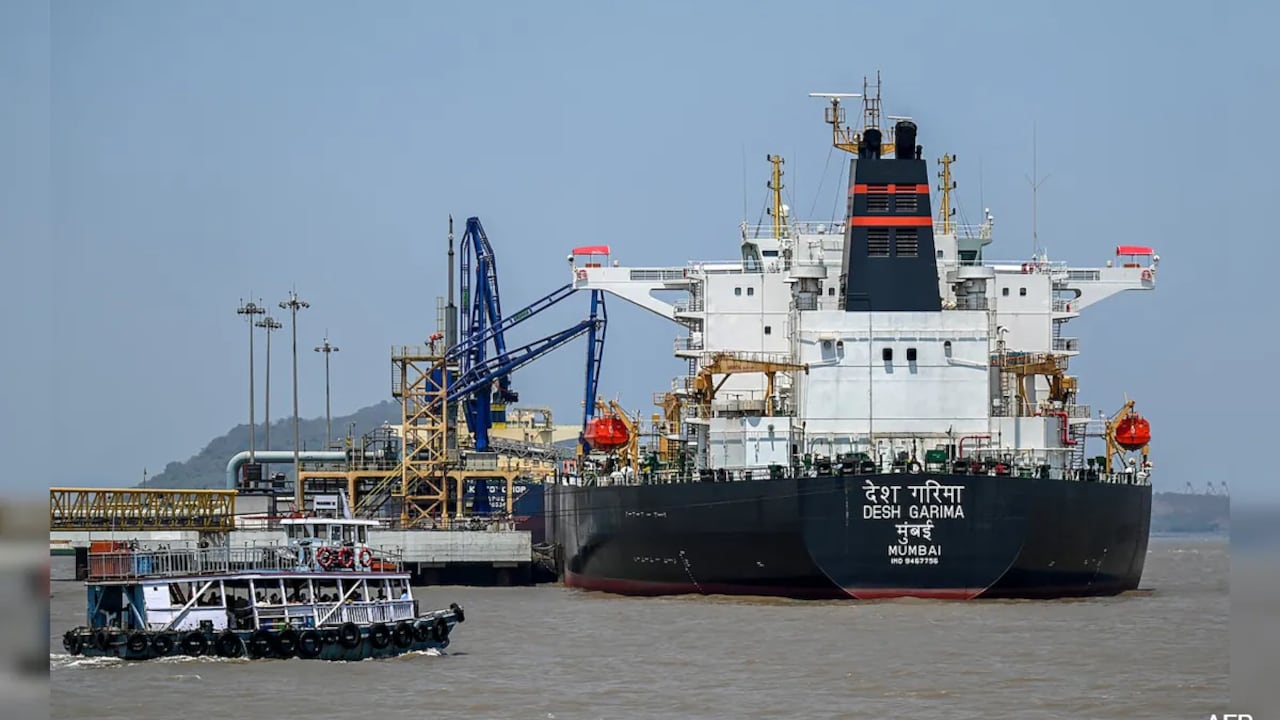
The modern global economy runs on the invisible labor of millions who spend months at a time isolated on massive steel hulls, navigating dangerous waters so that distant consumer markets remain uninterrupted. When geopolitical flashpoints detonate across strategic maritime corridors, these workers absorb the immediate physical brunt of high-stakes hostilities. Recent parliamentary disclosures in New Delhi confirm that ten Indian seafarers are among those killed in ongoing Middle Eastern conflicts, with dozens more injured and countless others effectively abandoned in active war zones. Yet, official expressions of grief rarely translate into structural reform for an industry built on the quiet exploitation of labor from the Global South.
Cargo must move. That imperative dictates the operational logic of global shipping conglomerates, flag-of-convenience registries, and multi-layered management agencies. When missile strikes, drone incursions, and naval blockades transform the Red Sea and the Persian Gulf into combat theaters, the financial calculus for shipowners rarely involves canceling voyages. Instead, management shifts the risk downward, relying on non-transparent contracts, patriotic platitudes, and the economic desperation of mariners who have few viable employment alternatives at home.
The Anatomy of Operational Exposure
Understanding why Indian mariners form such a high percentage of casualties requires examining the demographics of global seafaring. India, alongside the Philippines, supplies a massive share of the world's certified deck officers, engine crew, and general utility workers. Major shipping hubs in Mumbai, Chennai, and Kochi feed an endless pipeline of labor into foreign-flagged vessels owned by European, East Asian, and American entities.
When a bulk carrier or container ship receives instructions to transit a high-risk zone, the decision-making power rests entirely onshore. A master mariner may harbor deep safety concerns, but refusing a voyage often results in blacklisting, breach-of-contract penalties, or immediate termination without recourse. The structural power imbalance between shipowners sitting in air-conditioned boardrooms in Piraeus or Singapore and an engine room crew member from a small town in Kerala is absolute.
Consider a hypothetical scenario reflecting everyday maritime realities: A container ship carrying non-essential consumer goods approaches a narrow chokepoint where asymmetric strikes have occurred daily for a week. The captain requests rerouting around the Cape of Good Hope, which would add ten days to the journey and substantial fuel costs. The commercial operator vetoes the request, citing charter party obligations. The ship sails into the danger zone. When a projectile hits the superstructure hours later, the crew pays the price while the cargo underwriters adjust their risk models.
The Illusion of Choice and the Contractual Trap
For decades, the standard employment contract for international seafarers has included "high-risk area" clauses. These clauses typically grant mariners the theoretical right to refuse transit through designated war zones or to demand repatriation at the company's expense. In practice, these rights are frequently illusory.
Industry unions and labor advocates point out that shipowners frequently pressure crews to sign addendums under duress, or use vague geographical definitions to bypass hazard classifications. If a crew member decides to exercise their right to disembark at a port prior to entering a conflict zone, they often have to pay for their own flights home, forfeit earned wages, and face potential blacklisting by crew-managing agencies.
"The contract says you have a choice. The reality says you have none if you want to feed your family." — Anonymous senior maritime officer
This coercion is compounded by the jurisdictional nightmare of flag-of-convenience shipping. A vessel might be owned by a Greek holding company, managed by a firm in Cyprus, registered under the flag of Liberia or Panama, and crewed entirely by Indian nationals. When a tragedy occurs, determining liability becomes an exercise in legal evasion. Victims' families find themselves trapped in a labyrinth of international maritime law, corporate shell companies, and bureaucratic indifference.
The Economics of War-Risk Premiums
While mariners face physical annihilation for standard wages, other industry sectors profit handsomely from the chaos. War-risk insurance premiums for vessels transiting volatile waters have skyrocketed, injecting billions of dollars into the marine insurance markets of London and other financial centers. Shipowners factor these increased insurance costs into freight rates, frequently passing the financial burden downstream to consumers.
However, the hazard pay disbursed to the actual crew members on the front lines rarely matches the exponential rise in insurance payouts. An engine room wiper or a second officer might receive a modest daily bonus while navigating waters patrolled by hostile drones or anti-ship missiles. This structural disparity reveals a chilling truth: the life of a seafarer is mathematically valued by the market at a fraction of the hull value or the cargo payload.
Government interventions have proven largely reactive rather than preventative. While diplomatic channels swing into action after casualties are reported—coordinating repatriations and disbursing modest ex-gratia compensation packages—there is a systemic reluctance to issue mandatory bans on national citizens serving on vessels entering active combat zones unless total catastrophe strikes. Economic dependence on remittances sent home by overseas workers creates a political blind spot, forcing governments to balance the safety of citizens against the broader geopolitical necessity of maintaining trade relations with powerful shipping lobbies.
Beyond the Horizon of Accountability
The systemic exposure of maritime labor will not self-correct because the current architecture of global trade relies on disposability. As long as flag states shirk oversight responsibilities and shipowners treat human lives as variable operating costs, seafarers will remain the primary collateral damage of geopolitical conflicts they have no hand in creating. Real protection would require strict, enforceable international mandates that empower crews to veto high-risk transits without economic penalty, backed by punitive sanctions on operators who treat human cargo as secondary to corporate delivery schedules. Until then, the ships will keep sailing into the fire, and the ledger will keep balancing itself on the backs of those least able to refuse.
This video provides context regarding government reports and parliamentary discussions concerning Indian nationals and seafarers impacted by regional conflicts in the Middle East.
http://googleusercontent.com/youtube_content/1