Cold. Bone-deep, breath-stealing cold that turns a zipper pull into a tiny icicle against your thumb and makes every plastic clip in a barracks room brittle enough to snap.
When you live in the subarctic, winter is not a season you visit. It is a weight you carry on your shoulders from October until April. The air smells sharp and clean, like crushed pine and static electricity, and through the double-paned windows of a base housing unit, the world outside looks like a postcard dipped in silver. Inside, everything hums. Space heaters whirr. Vent fans push dry, warm air across linoleum floors. Boots dry beside radiators. Batteries charge on power strips tucked under bunks.
It feels safe inside. Warmth usually does.
Yet safety rules written for winter training—rules urging early-morning drills before the day warms up, before people settle into routines, before heaters run for hours on end or gear gets crowded near heat sources—exist because warmth in the cold carries a quiet, deceptive bargain. We trade crisp air for closed doors, heavy fabrics, and concentrated heat. And when fire breaks out in a place built to trap warmth, seconds behave differently. Smoke thickens faster. Visibility drops to nothing. Muscle memory either saves a life or gets tangled in the dark.
To see how a rule on paper becomes the difference between waking up and never waking up, picture a hypothetical morning at a remote northern installation—let us call the soldier in this composite scenario Sergeant Maya Lin, though Maya is a stand-in created purely to illustrate how fatigue, cold, and habit collide before dawn.
Before the Sun Even Thinks About Rising
At 4:30 a.m. in the subarctic, darkness has a texture. It is heavy, velvet-black outside and gray-blue inside where faint light bleeds under a hallway door.
In our hypothetical scenario, Maya sits on the edge of her rack, lacing stiff boots that still hold a hint of yesterday’s frost near the tongue. Her muscles ache from the previous week’s field rotation. Her brain is negotiating a truce with the alarm clock. Early-morning training in brutal cold is miserable—nobody pretends otherwise. Waking up before dawn to move through drills, clear lanes, check exits, and rehearse emergency responses while everyone is half-asleep feels like punishment on a dark Tuesday.
Rules urging early-morning training exist precisely because discomfort makes people cut corners later.
Think about what happens when training is pushed off until later or treated as a box to check on a clipboard. By midday or evening, fatigue sets in. People are tired. They plug in extra heaters because a draft hits their ankles. They drape damp socks or parkas too close to vents. They stack boxes near doorways to clear floor space. None of these choices look like a tragedy in the moment. Each one is small, practical, and easy to rationalize when your fingers are numb and your eyelids feel weighted with lead.
I have stood in cold rooms where every shortcut felt earned. Years ago, covering winter operations and emergency preparedness in harsh climates, I walked through quarters where extension cords snaked under rugs like black veins and space heaters sat inches from fabric curtains. Nobody there was reckless by nature. They were just trying to get warm, get dry, and get some rest.
Here is the trap of human psychology: we judge risk by how dramatic the threat looks right now. A space heater humming quietly in the corner does not look like a threat. A pile of dry gear next to a radiator does not look like a threat. Until heat meets fuel and oxygen, nothing is happening.
Then, in an instant, everything is.
Why Early Hours Matter When Everything Burns
Why would safety guidance push early-morning training specifically? Because the hours just before dawn expose the exact gap between knowing a procedure and executing it half-awake.
Consider what happens next in a real fire scenario. Fire does not wait for you to finish rubbing your eyes. Modern rooms filled with synthetic bedding, foam mattresses, electronics, and treated fabrics burn hotter and faster than older wood-and-plaster spaces ever did. Within minutes—sometimes less—heat layers near the ceiling, toxic smoke banks downward, and a room you have walked across a hundred times becomes an unfamiliar maze.
A metaphor helps here, provided we name it plainly as one. Imagine your daily routine as a groove worn into snow. Every day you step in the same tracks without looking down. When the snow falls hard and erases the tracks, walking straight takes deliberate effort. Emergency muscle memory is like cutting a fresh trail before the storm hits: you learn where the door latch sticks, how many paces it takes to reach the hall with your eyes closed, and where the extinguisher hangs even when the lights flicker out.
Early-morning drills force the body to rehearse under realistic friction: cold air, grogginess, tight quarters, and low light. When people train only in warm, well-lit classrooms or broad daylight, they build confidence in conditions that do not match the emergency.
And yet, there is an uncomfortable tension here that we should not brush past. Early-morning training is exhausting. Pushing tired people out into subzero air before sunrise can wear down morale and leave folks running on fumes. Safety rules are not magic spells; if a schedule leaves people chronically sleep-deprived or frustrated, attention slips in other ways. Good safety leadership has to balance readiness with human limits, not treat discipline and exhaustion as synonyms.
Still, when fire strikes—especially in remote or severe-cold environments like a Wainwright barracks or northern post—the clock does not care how tired anyone feels.
The Invisible Stakes Inside Cold Quarters
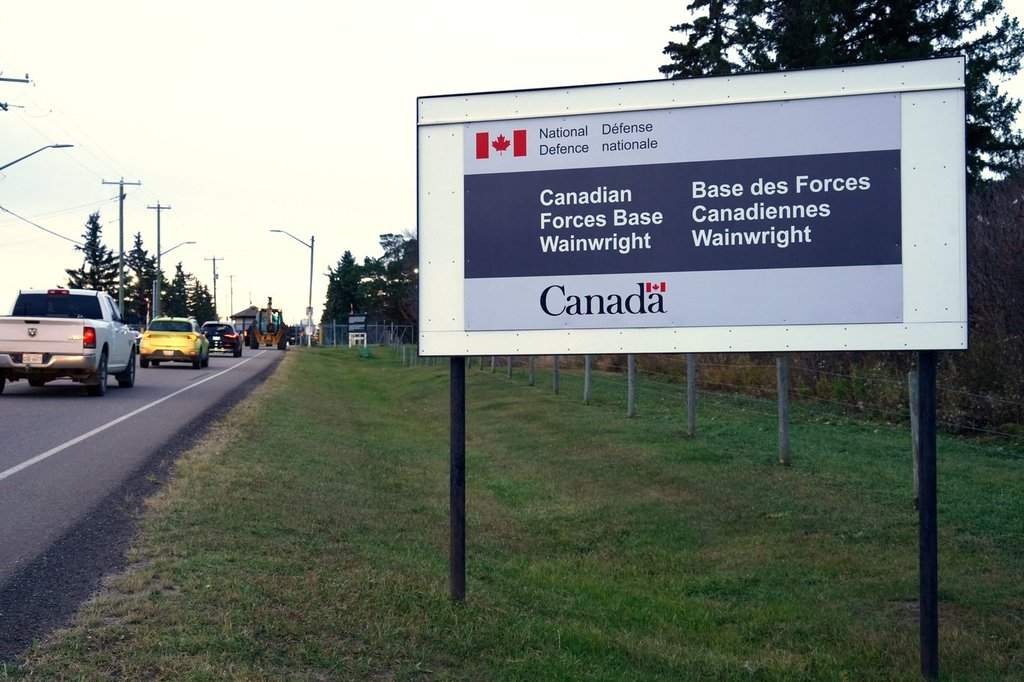
When headlines mention a deadly fire at a northern military installation—such as a tragic blaze at Fort Wainwright—people naturally ask how something so devastating happens on a base where rules, inspections, and chains of command already exist.
That question cuts straight to the heart of the problem. Rules rarely fail because nobody ever wrote them down. They fail in the quiet space between policy and habit.
Let us trace a composite, hypothetical timeline—again, clearly labeled as a constructed illustration rather than a report of a specific incident—to show how ordinary details compound. Suppose in a winter barracks wing, a portable heater runs continuously through a bitter night. A power strip is overloaded with chargers and lamps. Someone hangs wet wool layers nearby to dry before morning PT. A fire door is wedged open for a few minutes to let stale air out, or an exit path has a duffel bag resting beside the frame.
None of those acts is a movie villain. Every single one is relatable. Anyone who has lived in tight quarters during a freezing spell recognizes the impulse to stay warm and keep gear handy.
What makes cold-weather fires uniquely punishing is the combination of sealed buildings and rapid smoke spread. To keep heat inside when temperatures plunge far below zero, ventilation is tight and insulation is heavy. Smoke has nowhere benign to go. Within moments, carbon monoxide and dense particulates fill the air. Breathing just a few lungfuls of superheated, toxic smoke can disorient or incapacitate a person before they even reach the door.
Outside, subzero temperatures complicate the response, too. Water lines and equipment face freeze hazards, footing can be slick with ice, and personnel responding to an alarm must suit up against extreme cold while racing toward danger.
No wonder people feel a knot in their stomach reading about these tragedies. It is scary to think that something as familiar as a heater, a power cord, or a closed barracks door can turn lethal in the dark. And it can be confusing, too, when official reviews talk about safety recommendations, early training, and compliance in language that sounds bureaucratic rather than human.
Habits Built Before the Alarm Rings
How do we close the distance between a safety rule on a page and an instinct that holds up at 4:00 a.m.?
Not with a lecture. Lectures fade the moment the room gets cold.
Instinct is built through repetition, clear design, and honest accountability. When early-morning safety training works well, it is not theater. It is practical, focused, and grounded in what actually kills people in fires: smoke, disorientation, blocked exits, and hesitation.
Think about the small, concrete actions that turn abstract rules into real protection:
- Keep heat sources clear and honest. Space heaters need open breathing room—no fabric, bedding, paper, or gear anywhere near them—and belong plugged straight into wall outlets, not daisy-chained power strips.
- Rehearse in the dark. Knowing where an exit is with the lights on is not the same as finding it when smoke drops visibility to inches. Walking routes with eyes closed or in low light builds spatial certainty.
- Treat alarms and drills as real. Every time people treat an alarm as an annoyance or a routine check-in, they train themselves to move slowly when the real thing sounds.
- Speak up about clutter and hazards. In tight living spaces, calling out a blocked aisle or an overloaded outlet can feel awkward—until you realize awkwardness costs nothing and a fire costs everything.
Notice how simple those steps sound. That simplicity is part of the irony. Fire safety does not usually demand exotic technology or grand heroics. It demands boring consistency on days when you are cold, rushed, and tired.
Why We Keep Coming Back to the Same Lesson
History is full of reminders that safety rules are written in hindsight. After almost every major fire—in factories, ships, dormitories, and barracks—investigators find earlier warnings, earlier checklists, and earlier advice that someone wished had been taken more seriously before the smoke rose.
It is easy to look back from a safe distance and say, They should have known better.
Harder to look at our own habits—at home, at work, or out in the field—and ask what corner we are cutting tonight because we are tired or cold.
Because safety is never a finished project. A rule urged for early-morning training only matters if people actually wake up, step into the dark, and practice what to do before the emergency arrives.
Outside, the subarctic wind keeps scraping frost across the glass. Inside, the air stays warm, quiet, and still—waiting for us to decide whether comfort makes us careless, or careful enough to stay alive.