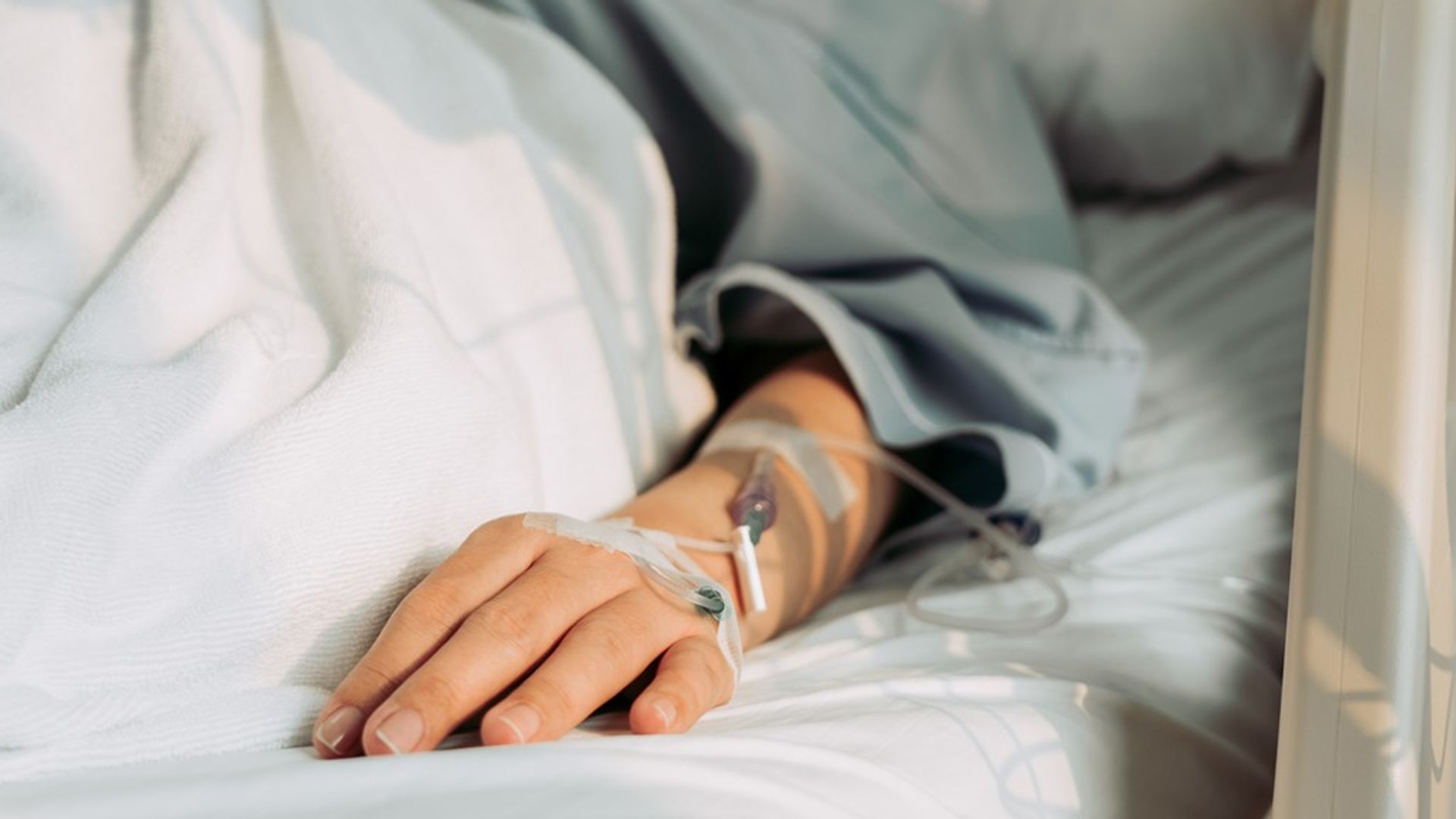
The second hand on a hospital wall clock makes a distinct sound if you listen closely enough. It is a dry, plastic click. In the quiet of an oncology waiting room, that click sounds like a hammer hitting an anvil.
Every tick is a cell dividing. Every tick is an opportunity slipping through a bureaucratic crack.
We talk about healthcare in statistics. We talk about it in targets, percentiles, and quarterly funding deficits. But when the system slows down, it does not just miss a data point. It breaks a person. The recent warnings regarding "extremely dangerous" delays in cancer care across the country are not just headlines to be skimmed over morning coffee. They are an active, ongoing crisis measured in human panic.
Consider a hypothetical patient. Let us call her Sarah. Sarah is forty-two, teaches middle school algebra, and found a lump three weeks ago. In a perfectly functioning system, Sarah is scanned, diagnosed, and treated within a strict, numbered window of days. In the current reality, Sarah is waiting for a letter. Then she is waiting for an appointment. Then she is waiting for a pathologist to look at a slide.
Sarah is not real, but her fear is a precise mirror of what thousands of people are experiencing right now. The math of cancer is brutal and simple. Early detection equals survival. Delay equals complication. When treatment slows down, the disease does not. It keeps moving, quietly rewriting the story of a life while the paperwork sits in an inbox.
The Friction in the Machine
The problem is rarely the people on the front lines. Walk into any oncology ward and you will see nurses running on caffeine and sheer empathy. You will see doctors reviewing charts at midnight. The breakdown happens in the spaces between them. It is the administrative friction that turns a routine referral into a multi-week ordeal.
Think of the healthcare system as a massive, outdated transit network. The trains themselves—the surgeons, the chemotherapy drugs, the radiation machines—are capable of high speeds. But the tracks are warped. The signals are jammed. If a patient cannot get through the station gate because of a backlog in basic diagnostic scanning, the high-speed train sits empty on the platform.
Medical data regularly highlights a specific benchmark: the sixty-two-day target from urgent GP referral to first treatment. It sounds like a generous amount of time. Two months. But break those sixty-two days down into the reality of a worried family.
- Day 1 to 14: Waiting for the initial specialist consultation.
- Day 15 to 30: Waiting for the MRI or CT scan slot to open up.
- Day 31 to 45: Waiting for the multidisciplinary team to meet and review the results.
- Day 46 to 62: Scheduling the surgical theater or preparing the systemic therapy plan.
That is the schedule when things go perfectly. Today, things are rarely going perfectly. The backlog has pushed those numbers into territory that clinicians openly call terrifying. When a sixty-two-day window stretches to ninety days, or one hundred, the medical landscape changes entirely. A tumor that was localized and treatable can become complex and invasive.
The Unseen Toll of Anticipation
There is a specific type of exhaustion that comes from waiting for a diagnosis. It is a physical weight. Your chest feels tight. Your sleep becomes a series of shallow, interrupted naps. You look at your children, your partner, your garden, and you wonder how many more seasons you will see them through.
This psychological erosion is rarely captured in policy documents. When reports warn of the danger of delays, they focus on mortality rates. That is understandable; death is the ultimate metric. But we must also look at the quality of life stolen during the waiting period.
Imagine sitting at a kitchen table, looking at a calendar, and knowing that every day that passes without an intervention is a day the adversary grows stronger. It is a psychological torture that our current system inflicts on citizens by default. We have normalized the idea that waiting weeks for life-or-death answers is just "the way things are."
It does not have to be this way. The current crisis is not an inevitability of nature; it is a result of structural choices.
Moving the Needle
Fixing a systemic slowdown requires looking at the bottleneck with clear eyes. The temptation for policymakers is always to throw money at the most visible part of the problem—buying more expensive machines or announcing grand new initiatives. But if you buy five new scanners and don't hire the staff to read the scans, the line doesn't move any faster.
The solution lies in clearing the path from suspicion to solution. This means expanding diagnostic capacity at the community level, creating dedicated cancer hubs that operate independently of emergency room surges, and cutting the red tape that prevents different hospital trusts from sharing data efficiently.
It also requires a shift in how we view the patient experience. A patient should not have to act as their own project manager, chasing up letters and calling departments to find out if their results have been looked at. The system should wrap around the individual, pulling them through the process with urgency and clarity.
The Human Bottom Line
Behind every statistic cited in the news is a living room where someone is trying to act normal for their family while keeping a terrifying secret.
The true cost of a delayed cancer system is not measured in currency. It is measured in missed graduations, unwritten books, and quiet rooms that should still be filled with laughter. We have the science to save lives. We have the brilliant minds and the advanced therapies. What we lack, right now, is the logistical will to deliver that science to the people who need it before the clock runs out.
The plastic second hand keeps moving. The silence in the waiting room remains heavy. The only question left is how many more warnings we need to read before we finally decide to fix the machine.