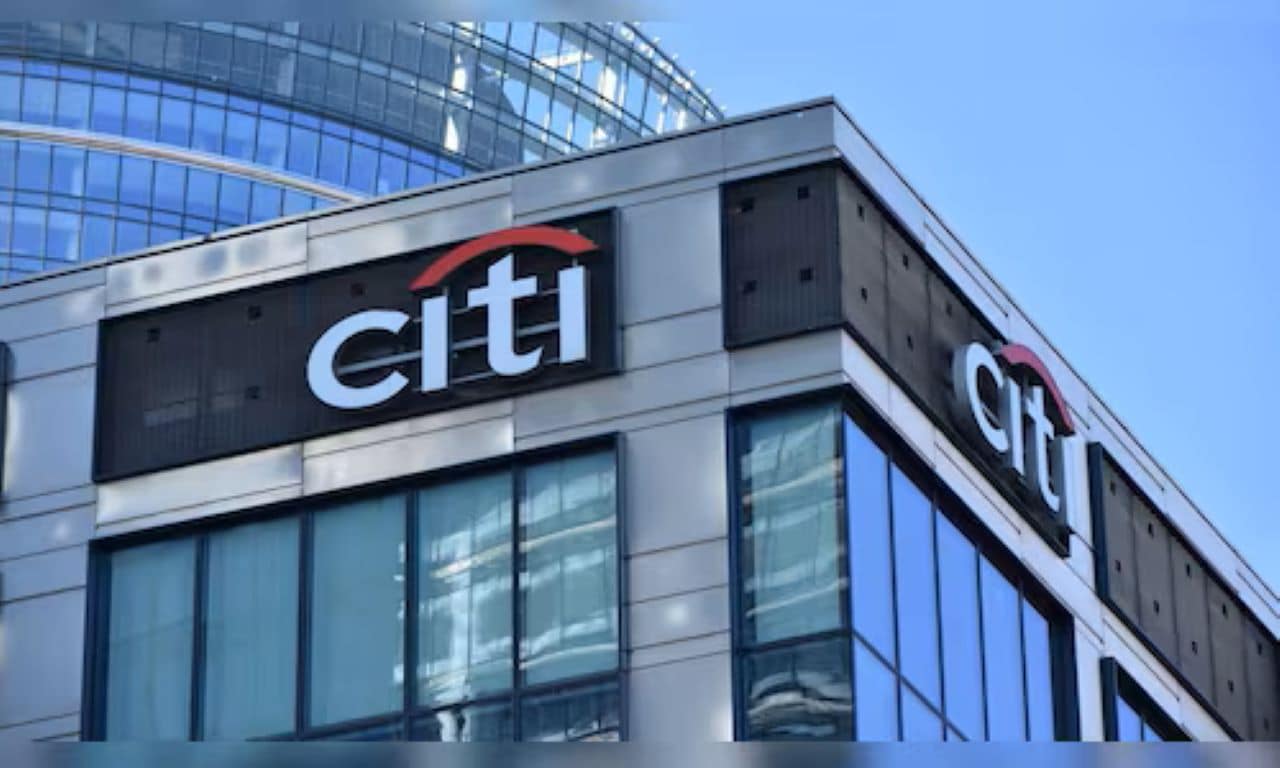
Citigroup just stopped being the "fixer-upper" of Wall Street. For years, investors looked at Citi and saw a sprawling, messy maze that couldn't stay out of its own way. But the Q1 2026 earnings report that dropped this week changed the conversation entirely. CEO Jane Fraser didn't just beat the street; she blew the doors off with a performance that suggests the bank’s identity crisis is officially over.
The numbers are loud. Revenue hit $24.6 billion—the best in a decade. Net income surged 42% to $5.8 billion. While the rest of the banking world is navigating a choppy economy, Citi is thriving on the very chaos that usually sinks smaller players. If you've been sitting on the sidelines waiting for a sign that this turnaround is real, this is it.
Volatility is the new best friend
Markets are messy right now. Between Middle East tensions impacting oil and the wild swings in tech valuations, investors are moving money at a breakneck pace. For a bank like Citi, that movement is pure profit. The Markets division hauled in $7.25 billion, a massive 19% jump year-over-year.
It wasn't just a lucky break in one department. Fixed Income brought in $5.2 billion, but the real shocker was the Equities business. Usually the smaller sibling at Citi, Equities revenue skyrocketed nearly 40% to hit $2.1 billion. When clients panic or pivot, they need a platform that can handle the volume. Citi proved it's now that platform.
The Fraser playbook is actually working
Jane Fraser has been ruthless. Since 2021, she’s been chopping off international consumer branches like they were dead weight. We saw the sale of the Russian unit and the massive offloading of a stake in Banamex earlier this year. The goal was simple: make Citi smaller, smarter, and more interconnected.
It's working because the bank is finally getting efficient. The efficiency ratio—basically how much it costs to make a dollar—dropped to 58.1%. In the banking world, a lower number here is everything. It means the bloated bureaucracy that defined Citi for twenty years is finally being dismantled.
Don't get it twisted; this hasn't been painless. The bank spent $500 million on severance this quarter alone as it continues to trim the fat. They’re down to about 224,000 employees. It’s a leaner machine, and that’s why the Return on Tangible Common Equity (RoTCE) hit 13.1%. That’s not just good; it’s better than the bank’s own targets.
Services is the hidden engine
While everyone talks about the flashy trading desks, the Services division is what makes Citi a global powerhouse. Think of this as the plumbing for world trade. It handles treasury and trade solutions for massive corporations. This quarter, it raked in $6.1 billion, up 17%.
Why does this matter? Because these are "sticky" revenues. Trading can dry up when the market goes quiet, but global corporations aren't going to stop moving money or managing their cash just because the VIX is low. Citi is currently the top-ranked player here, and they’re gaining market share.
Wealth and banking momentum
Investment banking has been a snooze-fest across the industry lately, but Citi is showing signs of life. Fees were up 12% thanks to a record first quarter in M&A. They’re snagging big mandates—think Paramount and McCormick—which shows they're finally getting back into the C-suite rooms they’d been kicked out of years ago.
Wealth management, which now includes retail banking, grew 11%. It’s still a work in progress compared to peers like Morgan Stanley, but the trajectory is pointing the right way. They’re seeing $15 billion in net new investment asset flows. That’s real money moving in from clients who clearly trust the new direction.
The risk is still real
I’m not saying it’s all sunshine and dividends. Citi still has a massive credit card business, and with inflation lingering, people are struggling. The bank set aside $2.8 billion for credit losses this quarter. Their net credit losses in the U.S. card business are sitting at 4.1%. That’s a number you have to watch. If the consumer cracks, Citi’s bottom line will feel the heat.
Also, the regulatory eyes haven't blinked. Fraser mentioned that 90% of their "transformation programs" are on track, but that other 10% is usually where the headaches live. They’re spending billions on tech and data to satisfy regulators who are tired of the bank’s legacy infrastructure.
What you should do now
If you’re an investor or just a market observer, the "old" Citi narrative is dead. You can’t call them a laggard when the stock has doubled over the last year.
- Watch the RoTCE: If they stay above 12%, the valuation gap between Citi and JPMorgan will keep shrinking.
- Monitor the Card Delinquencies: 1.5% of their card loans are 90+ days past due. If this climbs toward 2%, the "volatility win" in trading will be offset by consumer pain.
- Ignore the headcount noise: Expect more headlines about layoffs. In this case, fewer people is actually a sign of health for the "One Citi" strategy.
The bank is currently trading near its 52-week high for a reason. It’s finally behaving like a top-tier institution instead of a collection of loosely related businesses. The turnaround isn't "coming"—it's already here.