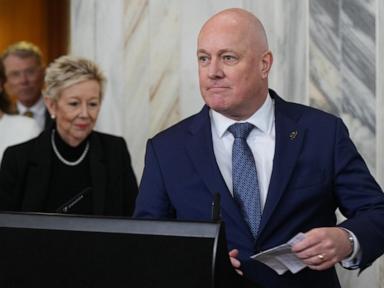
New Zealand Prime Minister Christopher Luxon just survived his second leadership challenge in four months, but the victory feels hollow with a general election looming on November 7.
When a sitting leader has to call a hasty, closed-door caucus meeting just to prove they still own their party, the house is already on fire. Luxon managed to squash a coup led by former Defence Minister Chris Penk, immediately stripping him of his portfolios and driving him out of politics altogether. Yet, winning a vote inside a locked room in Wellington doesn't fix the bleeding in the polls or erase a growing string of political miscalculations.
If you want to understand why New Zealand's right-wing coalition government is wobbling, you have to look past the staged unity press conferences and examine the mounting frustration within the National Party ranks.
Anatomy of a Self-Inflicted Crisis
Prime ministers usually fall because of macroeconomic disasters or major foreign policy scandals. Luxon is stumbling because of a communication style that alienates voters and panics his own MPs.
The trouble intensified after a series of public missteps. Luxon told a business audience that local corporate leaders exhibited a "parent-child mentality" by relying too heavily on government direction. Coming from a former corporate executive turned politician who promised to fix a sluggish economy, the lecture landed terribly. Small business owners struggling with inflation felt lectured, and backbenchers watched their poll numbers slide.
Compounding the friction, Luxon faced intense scrutiny for using a military aircraft to return to Wellington after a party fundraiser. Then came a surprise announcement about holding a referendum on the electoral system—pledged without consulting his own caucus.
The Cost of Corporate Governance in Politics
Luxon treats parliament like a corporate boardroom. Politics doesn't work that way.
Voters want empathy and connection. They don't want a CEO telling them to radically disrupt their lives while economic growth flatlines. When a leader treats party members as subordinates rather than political partners, internal rebellion becomes inevitable. Chris Penk's challenge wasn't just a random act of ambition; it was a desperate reaction from lawmakers who realized public support was plummeting.
National dropped from a commanding 38 percent at the 2023 election down to hovering around 29 percent in recent tracking. That kind of drop spells disaster for MPs fighting to keep their seats.
What Happens Next for the National Party
Sacking Chris Penk and forcing a loyalty vote buys Luxon a few weeks of breathing room. It does not rebuild voter trust.
Opposition leader Chris Hipkins wasted no time pouncing on the chaos, pointing out the obvious truth that a party fighting itself cannot effectively govern a country. Voters agree. Internal bickering distracts from the core issues of cost-of-living pressures, housing, and public service delivery.
Luxon claims his caucus is entirely united. Reality tells a different story. When leaders start treating internal challenges as treason rather than feedback, they isolate themselves from the ground reality. With less than three months until ballots open, the Prime Minister has zero margin left for error. He survived this week, but survival is not a strategy.