Global energy security does not belong to the countries that border the world's most critical maritime chokepoints. It belongs to the nations capable of projecting sustained naval power over them, the state-backed entities financing alternative infrastructure, and the algorithmic routing engines of international shipping conglomerates. While conventional analysis obsesses over the geographical sovereignty of Egypt, Iran, or Indonesia, the physical waterways they claim—the Suez Canal, the Strait of Hormuz, and the Strait of Malacca—are merely pressure points in a vast, interconnected, and highly corporate global circulatory system. Control is not a matter of drawing a line on a map; it is an active, capital-intensive exercise in risk mitigation and raw force.
Nearly 70% of global oil demand, exceeding 100 million barrels per day, relies entirely on seaborne transit through a handful of narrow oceanic corridors. When regional instability flares, the immediate economic fallout proves that geographic ownership is largely an illusion. The true masters of these routes are defined by who can keep the tankers moving, who can afford to bypass the channels entirely, and who possesses the strategic depth to weather the supply shocks.
The Myth of Sovereign Leverage in the Strait of Hormuz
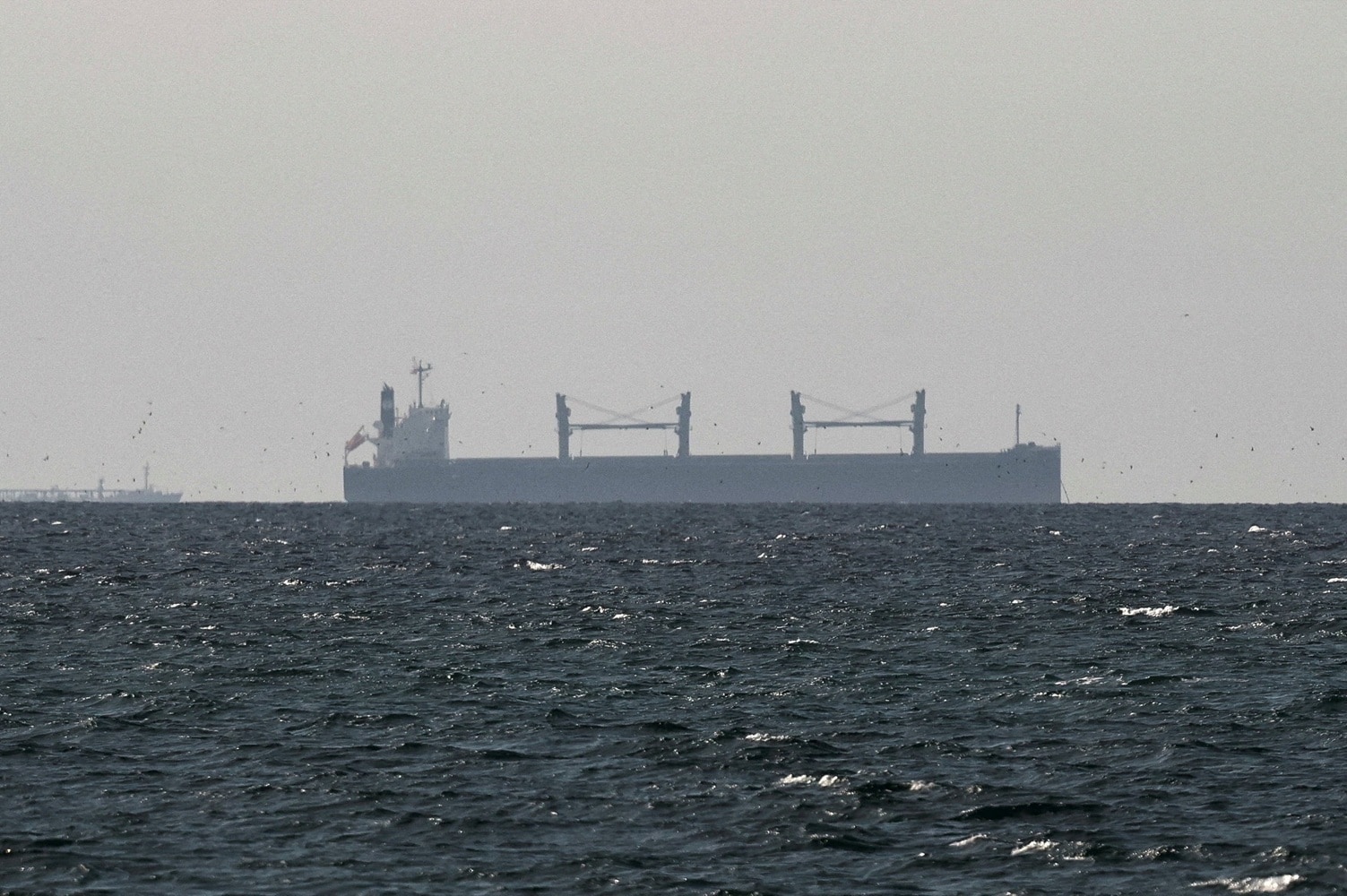
The Strait of Hormuz is widely considered the ultimate economic kill switch. Measuring just 21 miles wide at its narrowest point, this corridor handles over 20 million barrels of oil per day—roughly one-fifth of global petroleum consumption and a quarter of all seaborne traded oil. The standard narrative suggests that Iran, by virtue of its sweeping northern coastline and aggressive asymmetric naval tactics, dictates the terms of transit.
This view misinterprets regional leverage. Iran can disrupt the strait, but it cannot control it without triggering its own economic self-destruction. Over 80% of the crude moving through Hormuz is destined for Asian markets, specifically China, India, Japan, and South Korea. Because China has emerged as the primary financial lifeline for Iranian energy exports through dark-fleet transactions, any prolonged, total shutdown of Hormuz by Tehran would severely damage its most critical economic patron.
True structural authority over the Persian Gulf’s exit point rests with the blue-water navies capable of enforcing international maritime law, predominantly the United States Navy and its allied coalitions. Control here is defined by the technical capacity to counter underwater mines, neutralize fast-attack craft, and shield Very Large Crude Carriers (VLCCs) from anti-ship ballistic missiles.
Furthermore, the nations exporting through the strait have spent decades investing billions to strip Hormuz of its monopolistic power. Saudi Arabia’s East-West Crude Oil Pipeline can pump up to 5 million barrels per day directly to the Red Sea, bypassing Hormuz entirely. The United Arab Emirates operates the Abu Dhabi Crude Oil Pipeline, which moves 1.5 million barrels per day straight to the port of Fujairah on the Gulf of Oman. These pipelines mean that while Hormuz remains vital, its absolute chokehold on the Arabian Peninsula is being slowly eroded by concrete, steel, and engineering.
Hormuz Transit Bypass Infrastructure:
Saudi East-West Pipeline Capacity: ████████████████████ 5.0M bbl/d
UAE Fujairah Pipeline Capacity:    ███████ 1.5M bbl/d
The Red Sea Deflection and the Ghost of Suez
Further west, the Suez Canal and the adjacent Bab el-Mandeb strait offer a stark lesson in how quickly geographic control evaporates when non-state actors or regional conflicts alter the risk calculations of marine insurers. Historically, the Suez Canal and the SUMED pipeline handled nearly 9 million barrels of oil per day, acting as the primary artery for Middle Eastern crude flowing to Europe and North American Atlantic ports.
Geographically, Egypt controls the Suez Canal, collecting billions in transit fees that form a cornerstone of its national budget. Yet, when Yemen-based Houthi militants began attacking commercial shipping in the Red Sea corridor with drones and missiles, Egypt's sovereign control over the canal became economically irrelevant. Tanker traffic through Suez and the Bab el-Mandeb plunged by roughly 50%.
The control shifted instantly to maritime insurance syndicates in London and the boardrooms of global shipping titans like Maersk and MSC. When the Joint War Committee widens its high-risk designated areas, insurance premiums skyrocket, forcing a massive reallocation of global tonnage. Tankers did not stop moving oil; they simply rewrote their routing software.
The volume of seaborne oil moving around South Africa’s Cape of Good Hope surged to over 9 million barrels per day. This detour adds roughly 10 to 14 days to a voyage and demands an immense increase in bunker fuel consumption, but the global economy adapted. This reality reveals a fundamental truth: the Suez Canal is a convenience, not an absolute necessity. The true power belongs to the global market's capacity to absorb higher freight costs and longer transit times to maintain supply chain continuity.
The Malacca Dilemma and the Corporate Shadow Play
The Strait of Malacca, a 550-mile funnel between Sumatra and the Malay Peninsula, is the world’s busiest energy bottleneck. It accommodates over 23 million barrels of oil per day, alongside massive volumes of Liquefied Natural Gas (LNG) flowing from Qatar and Australia. Littoral states—Singapore, Malaysia, and Indonesia—manage the physical safety and anti-piracy patrols within the strait.
However, the geopolitical tension surrounding Malacca is driven entirely by external powers, a dynamic famously termed the "Malacca Dilemma" by Beijing. China relies on this single waterway for nearly half of its maritime oil imports. In a hypothetical conflict scenario, a naval blockade at the western entrance of the strait would instantly cripple East Asian industrial economies.
Malacca Oil Transit Dependency (1H 2025 Data):
Total Volume: 23.2 Million Barrels per Day
Destination Share:
  China:         █████████████████████████ 48%
  Other East Asia: █████████████████████████ 52%
To counter this vulnerability, control is being contested not through naval standoffs in the strait itself, but through aggressive infrastructure spending thousands of miles away. Beijing has shifted its focus to land-based energy corridors to bypass Malacca entirely:
- The Myanmar-China Pipelines: Twin oil and natural gas pipelines running from the port of Kyaukphyu on the Bay of Bengal directly into Yunnan Province, delivering crude straight to inland Chinese refineries.
- The Central Asia-China Pipeline Network: Massive overland infrastructure drawing natural gas from Turkmenistan, Uzbekistan, and Kazakhstan.
- Russian Overland Flows: Expanded rail and pipeline infrastructure, including the Eastern Siberia-Pacific Ocean (ESPO) pipeline, which ensures that an increasing share of Chinese energy imports never touches a single drop of seawater.
At the same time, western algorithmic control over Malacca manifest through Singapore's financial architecture. Singapore does not dominate through military might; it dominates because it is the premier bunkering hub, maritime legal jurisdiction, and commodities trading floor of Asia. A ship transiting Malacca is inextricably tied to Singaporean port services, fuel pricing indices, and financial clearances.
The Reality of Maritime Power
The concept of national sovereignty over global shipping lanes is an outdated framework that fails to explain modern energy logistics. A nation can sit on the banks of a strategic waterway, but if it lacks the diplomatic weight to avoid sanctions, the naval power to guarantee safe passage, or the economic complexity to integrate into global supply chains, its geographic position becomes a vulnerability rather than an asset.
True control over the world's energy routes is decentralized, corporate, and intensely technological. It is held by the naval coalitions that patrol the waters, the financial institutions that underwrite the journeys, and the infrastructure networks that provide alternative pathways when the chokepoints inevitably narrow.