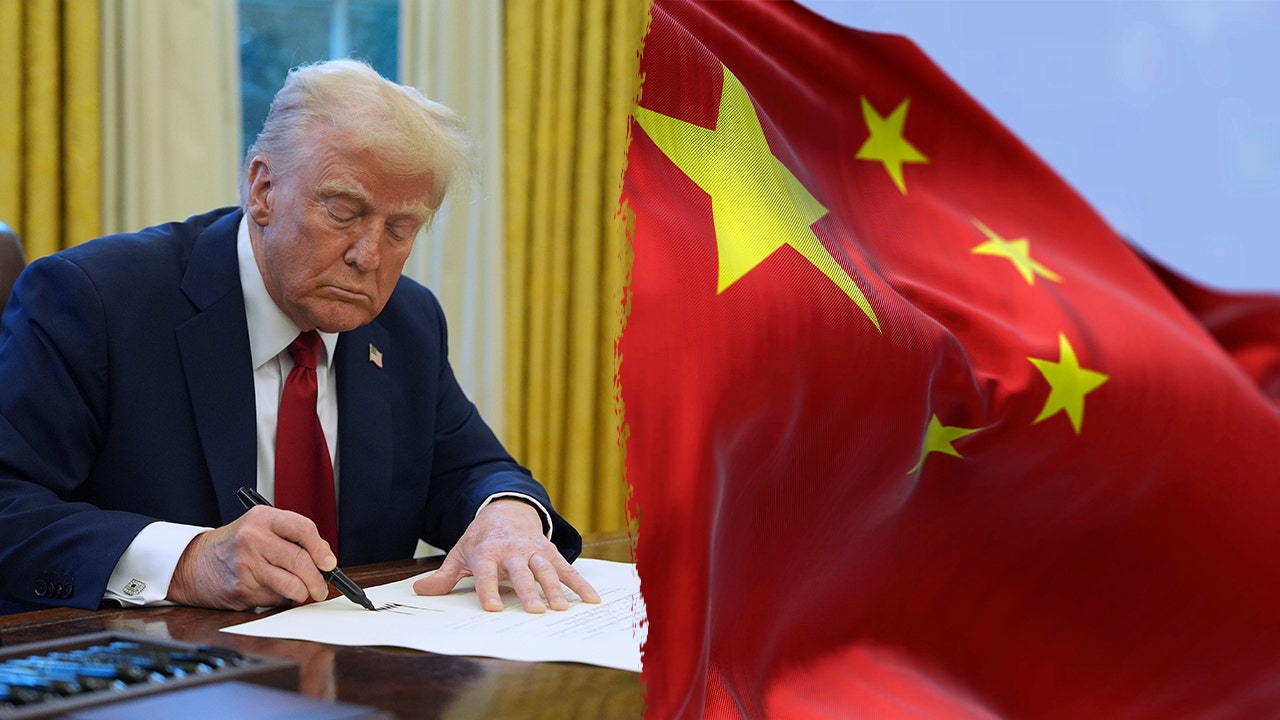
The mainstream media is hyperventilating over China’s "unprecedented" use of a blocking order to shield its refineries from US sanctions. The narrative is predictable: Beijing is finally drawing a line in the sand, flexing its legal muscles to protect its flow of Iranian "teapot" crude, and signaling the end of dollar-denominated energy hegemony.
It is a comforting bedtime story for anyone rooting for a multipolar world. It is also completely wrong. Also making waves in related news: Geopolitical Risk Premium Pricing The Crude Oil Response To Iran Ceasefire Rejections.
This isn't a show of strength. It is a desperate piece of legal theater designed to hide a much more uncomfortable reality: China’s massive "independent" refineries are functionally un-sanctionable because the US Treasury actually wants them to keep buying. If the White House truly intended to choke off Iranian oil, they wouldn't need to worry about a Chinese blocking order. They’d simply freeze the clearing accounts.
We are witnessing a choreographed dance where both sides pretend to fight while maintaining a status quo that keeps global oil prices from hitting $150 a barrel. Further insights regarding the matter are explored by The Economist.
The Myth of the Sovereign Shield
The "blocking order" sounds formidable. It’s China’s version of the EU’s 1996 regulation, theoretically allowing Chinese courts to punish companies that comply with foreign (read: US) extraterritorial sanctions.
But let’s look at the plumbing. For a blocking order to work, the entity being protected must be isolated from the global financial system. The moment a Chinese refinery, bank, or shipping firm touches a SWIFT message or a dollar-denominated asset, the Chinese law becomes irrelevant. No amount of Beijing-issued paper can force a global bank to risk its US license.
I have watched boards of directors in Shanghai and Shenzhen sweat through these decisions. They don’t care about the Ministry of Commerce’s bravado; they care about their ability to settle trades in New York. If China were serious about "blocking" US reach, they wouldn’t be issuing legal notices. They would be moving 100% of their energy trade to a digital yuan system that operates entirely outside the reach of the Fed.
They haven't. Because they can't. Not yet.
The Teapot Strategy: Useful Idiots or Strategic Genius?
The competitor's article focuses on the refineries as victims of a geopolitical squeeze. This misses the mechanical genius of the "Teapot" system.
Shandong’s independent refineries—often called teapots—are the perfect shock absorbers for the global economy. These aren't the massive state-owned enterprises (SOEs) like Sinopec or PetroChina. Those giants have largely backed away from direct Iranian imports to protect their global footprints. Instead, the teapots act as a massive, decentralized laundering machine.
They buy "Malaysian blend" (which everyone knows is Iranian) using small, local banks that have no US exposure. The US knows this. The satellite data is clear. The tanker tracking is public knowledge.
The question isn't "Why can't the US stop them?" The question is "Why hasn't the US destroyed the banks clearing these trades?"
The answer is simple: Inflation.
If the US Treasury actually enforced the sanctions it boasts about, 1.5 million barrels of Iranian crude would vanish from the market overnight. In an election cycle or a fragile recovery, no US administration is willing to trigger that kind of price shock. The "blocking order" gives China a face-saving way to keep buying, and the US a face-saving excuse for why its sanctions aren't working. It is a mutually beneficial failure.
Misunderstanding the Legal Architecture
The logic of the blocking order rests on a fundamental misunderstanding of international law vs. economic reality.
- The Consensus: China is creating a legal "clash of laws" that will force companies to choose between the US and China.
- The Reality: There is no choice. In any conflict between a domestic administrative order and the threat of being cut off from the $20 trillion US economy, the US wins 10 out of 10 times.
The blocking order isn't meant to win in court. It’s meant to provide a domestic legal "force majeure" for Chinese companies. It’s a tool for Beijing to tell its own people it is fighting back, while quietly signaling to the US that the oil must keep flowing.
The High Cost of the "Shadow" Discount
The real story isn't the sanctions; it's the predatory pricing. By forcing Iran into a corner where it can only sell to these teapots, China has secured a permanent, massive discount on its energy bill.
While the rest of the world pays Brent prices, China is getting its energy at a $5 to $10 discount per barrel. This is an massive industrial subsidy that the US is inadvertently providing to Chinese manufacturing. By maintaining the veneer of sanctions without the execution of them, the US has created a two-tier energy market where its primary strategic rival gets the cheapest fuel on earth.
This isn't a geopolitical standoff. It’s a massive transfer of wealth from oil producers to Chinese industry, facilitated by US policy "toughness."
Why the "Sanctions War" is a Performance
If you want to understand the future of this conflict, stop reading the Ministry of Commerce press releases and start looking at the insurance markets.
Ships carrying Iranian oil to China aren't insured by the P&I Clubs in London. They are insured by opaque entities or self-insured by the Chinese state. This creates a massive environmental risk. One major spill in the South China Sea from an uninsured, aging "dark fleet" tanker would do more to end this trade than any US sanction or Chinese blocking order ever could.
The risk isn't legal; it's physical.
The Actionable Truth for Investors and Policy Wonks
Stop asking if China will "succeed" in blocking US sanctions. They don't need to. The sanctions are performing exactly as intended for the US: they keep Iranian oil out of the official market to satisfy political hawks, while allowing it to flow into the unofficial market to keep gasoline prices from spiking.
If you are betting on a total breakdown in US-China energy relations, you are going to lose money. Both sides are deeply invested in this specific brand of dysfunction.
Beijing issues a "blocking order" to look sovereign. Washington issues "sanctions" to look tough. The oil keeps moving. The teapots keep refining. The dollar stays the reserve currency because, at the end of the day, even the teapots want to get paid in something they can actually spend.
The blocking order is a ghost. Stop being afraid of it.
The real threat isn't that China will ignore US sanctions. It's that the US has become so dependent on the "cheating" it officially condemns that it can no longer afford to enforce its own rules.
Go look at the tanker routes around the Riau Islands. See the ship-to-ship transfers happening in broad daylight. If a blocking order was necessary, those ships would be hiding. They aren't. They are hiding in plain sight because everyone involved is getting exactly what they want.
Washington gets its low oil prices. Beijing gets its subsidized energy. Iran gets its survival.
The only losers are the people who believe the headlines.
Stop looking for a trade war. Start looking at the receipts. The "blocking order" is the fine print on a contract that both sides signed years ago to keep the world running on discounted, illicit crude.
Beijing isn't fighting the system. They are the system's most profitable beneficiary.