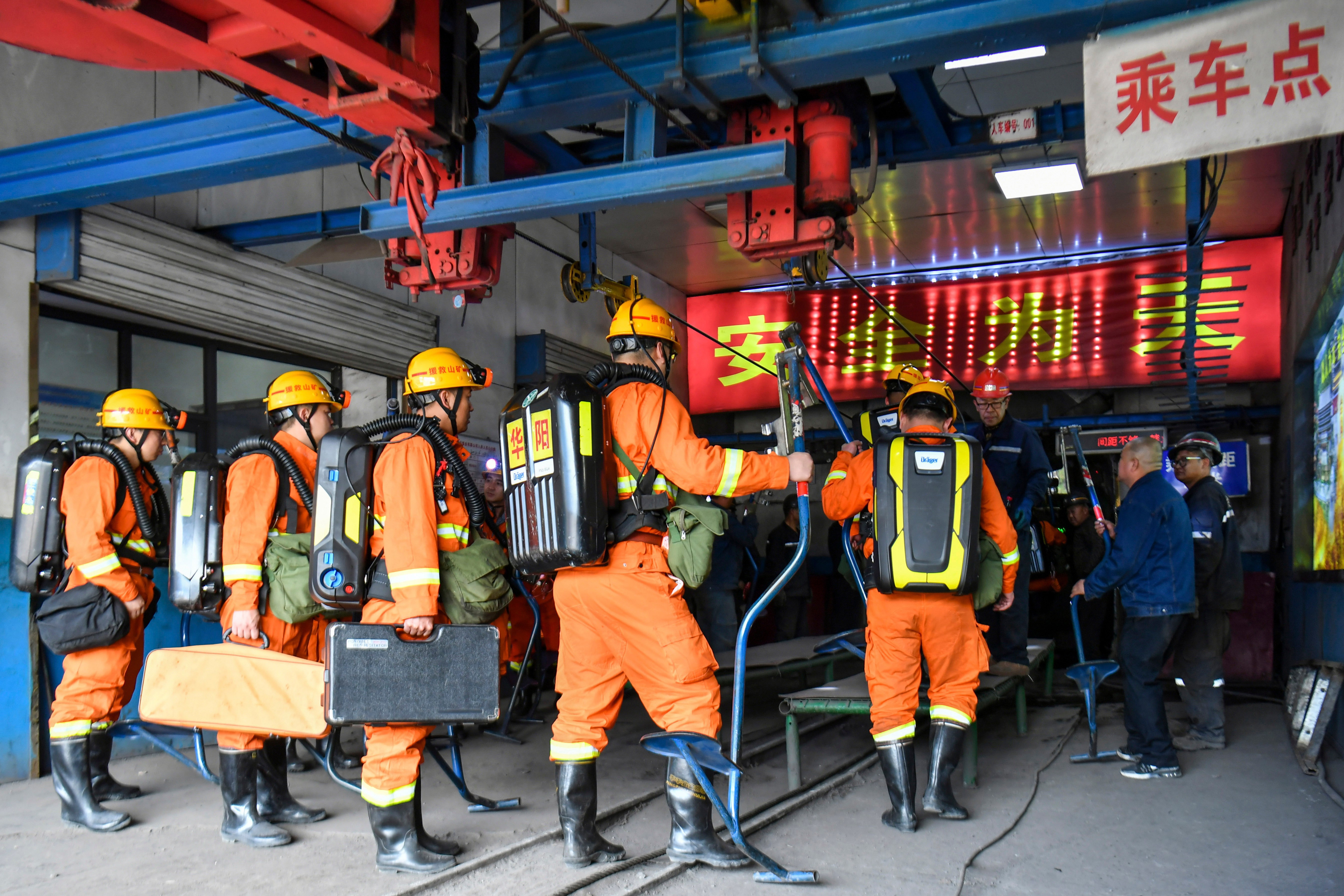
A horrific flash underground, the smell of burnt sulfur, and a wave of toxic gas. Ninety miners are dead at the Liushenyu coal mine in northern China’s Shanxi province. Dozens more spent agonizing hours trapped in dark, suffocating tunnels.
It's the deadliest mining disaster the country has seen in 17 years.
This tragedy hits hard because it was entirely preventable. The mine, located in Qinyuan county near Changzhi city, was already flagged. The National Mine Safety Administration put it on a disaster-prone list back in 2024 for "high gas content." Yet, 247 workers went down into those shafts on Friday evening.
If you want to understand why these catastrophes keep happening despite endless government promises, you have to look at the brutal math of China’s energy grid.
The Deadly Cost of Cheap Kilowatts
The numbers coming out of Shanxi are staggering. Out of the 247 people working underground when the blast occurred at 7:29 p.m., at least 90 lost their lives. More than 120 miners ended up in hospitals, many choked by massive concentrations of carbon monoxide.
A surviving miner, Wang Yong, described the nightmare to state broadcaster CCTV. He smelled sulfur, saw a wall of smoke, and tried to scream at his coworkers to run. He blacked out before he could make it out.
This isn't a case of a freak natural disaster. It's structural. The mine is operated by the Shanxi Tongzhou Coal & Coke Group. It handles a massive annual capacity of 1.2 million tons. When a facility of that size operates with a known gas risk, the margins for error disappear.
To make matters worse, rescue operations faced major roadblocks because the mine’s blueprints didn't even match the actual underground layout. It's a classic corporate shortcut that costs lives.
The Fiction of Green Energy Dominance
We constantly hear about how fast China builds solar panels and wind turbines. It's true. They do. But the reality on the ground is that coal is still the undisputed king.
Shanxi province alone is roughly the size of Greece. It dug up 1.3 billion tons of coal last year. That's nearly a third of China’s entire supply. Look at the economic pressure. The country needs cheap, reliable power to keep its massive manufacturing hubs humming. Renewable energy fluctuates with the weather. Coal doesn't.
When Beijing demands high industrial output, local mine managers feel the squeeze. They push production limits. Safety checks get rushed. The state media reports that executives at the company have been "placed under control" by law enforcement. President Xi Jinping is calling for a thorough probe.
We've seen this script before. After 53 miners died in an Inner Mongolia mine collapse in 2023, officials promised crackdowns. After 108 died in Heilongjiang back in 2009, they promised the same. Heads roll, executives go to jail, but the underlying demand for coal remains relentless.
Real Accountability Means Changing the Incentives
As long as local officials and mine owners are judged solely on production quotas and economic growth, safety will take a back seat. True reform means changing how success is measured in regions like Shanxi.
If you want to follow the progress of the rescue and the unfolding investigation, local bureaus are updating their briefings daily. The immediate steps require independent safety audits across all high-gas mines in Shanxi, not just corporate self-reporting. Until the cost of a safety violation outweighs the profit of breaking production records, these headlines will keep coming back.