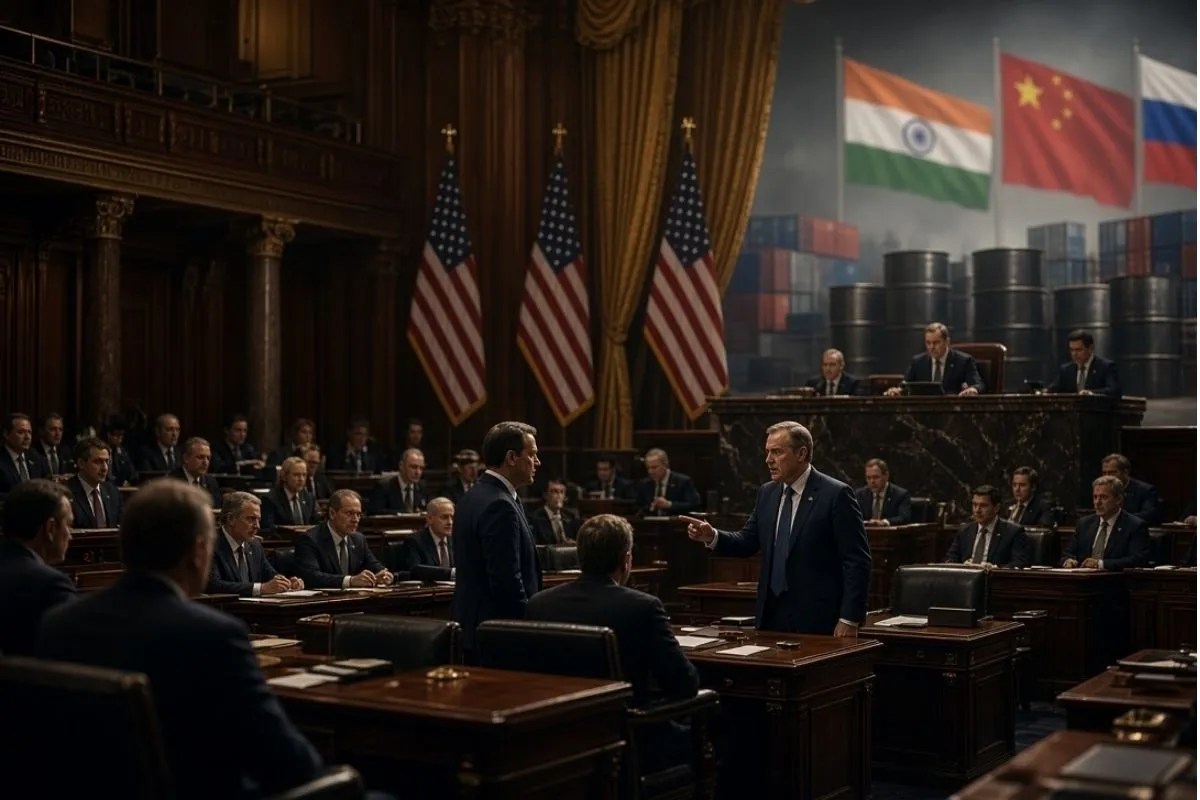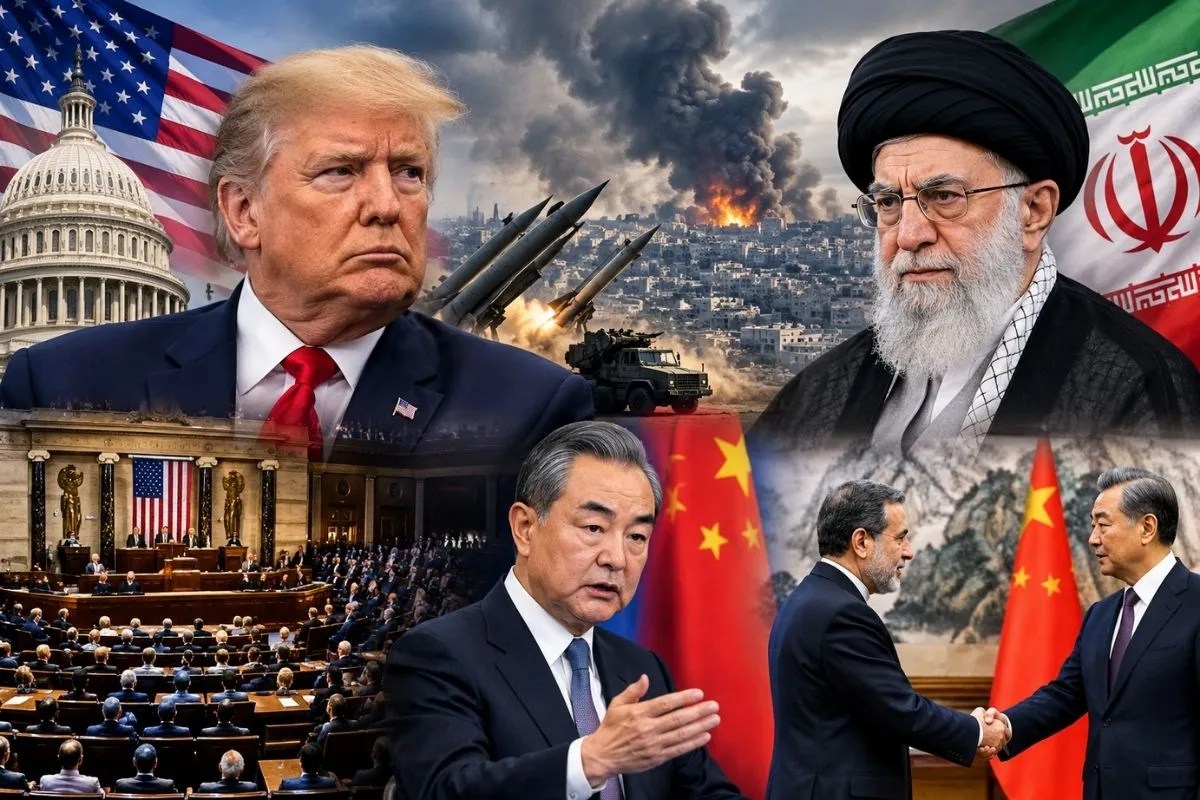
The ritual on Capitol Hill is as predictable as it is toothless. Another flashpoint over Iran policy has triggered a flurry of floor speeches, partisan posturing, and a contested vote on a War Powers resolution inside the House of Representatives. Competitor reports framed this latest legislative skirmish as a straightforward battle over constitutional authority, focusing on the narrow arithmetic of the vote count. But looking at the numbers misses the entire architecture of the conflict.
This is not merely a debate over executive overreach. It is a symptom of a deeper paralysis in Washington, where lawmakers use procedural theater to signal opposition to endless entanglements without ever accepting the political cost of actually cutting off funds. The underlying mechanics of these congressional battles reveal a system designed for perpetual gridlock, leaving foreign policy adrift in a sea of domestic calculation.
Understanding the friction requires examining the structural loophole that executive branches have exploited for decades. The 1973 War Powers Resolution was drafted in the wake of Vietnam to force presidents back to Congress before committing forces to hostilities. Yet, the statute contains ambiguities that modern administrations stretch past their breaking point. When strikes occur against proxy forces or regional installations, the White House rarely classifies them as full-scale war. Instead, they are framed as self-defense or localized enforcement under Article II powers.
This semantic maneuvering transforms constitutional checks into an optional advisory service. Members of the House can introduce resolutions demanding an immediate cessation of unauthorized military actions, knowing full well the measure faces an uphill battle in the Senate or a guaranteed presidential veto. The vote becomes a free vote. Lawmakers in competitive districts can register opposition to foreign entanglements for their constituents while quietly relying on the institutional inertia that preserves the status quo.
Behind closed doors, the real anxieties driving these votes have little to do with abstract constitutional purity and everything to do with economic shockwaves and energy markets. Any escalation involving Iran carries immediate consequences for global crude supplies. A blockade in the Strait of Hormuz or targeted infrastructure strikes can spike oil prices within hours, threatening household budgets and consumer confidence thousands of miles away.
Industry analysts tracking energy futures understand that congressional posturing offers zero protection against supply shocks. While representatives debate parliamentary procedure, shipping conglomerates alter maritime routes around the Persian Gulf, driving up freight insurance costs and passing those expenses down to retail supply chains. The domestic economic fallout of Middle Eastern instability moves much faster than the legislative calendar. By the time a committee schedules hearings on war powers, the market has already priced in the risk of prolonged friction.
The political incentives driving both sides of the aisle ensure that meaningful reform remains elusive. For the administration of the day, maintaining strategic ambiguity preserves deterrence. For the opposition, weaponizing war powers offers a convenient vehicle to criticize foreign missteps without offering a coherent alternative strategy. Neither party wants absolute ownership of a Middle Eastern crisis, preferring instead to share the blame while pointing fingers across the aisle.
This brings us to the core contradiction of modern American statecraft. Congress jealously guards its prerogative to complain about military deployments while systematically surrendering its power of the purse. Budgets continue to fund the logistical footprint required to sustain regional posture, rendering non-binding resolutions little more than expensive noise.
Journalists covering these legislative battles often treat each new resolution as a watershed moment. Experience suggests otherwise. The machinery of intervention rolls forward, fueled by bipartisan consensus on global dominance and insulated from domestic accountability by the very complexity of the conflicts it generates. Until lawmakers are willing to tie funding directly to specific strategic parameters, these floor votes will remain what they have always been: performance art staged for an audience that stopped watching a long time ago.