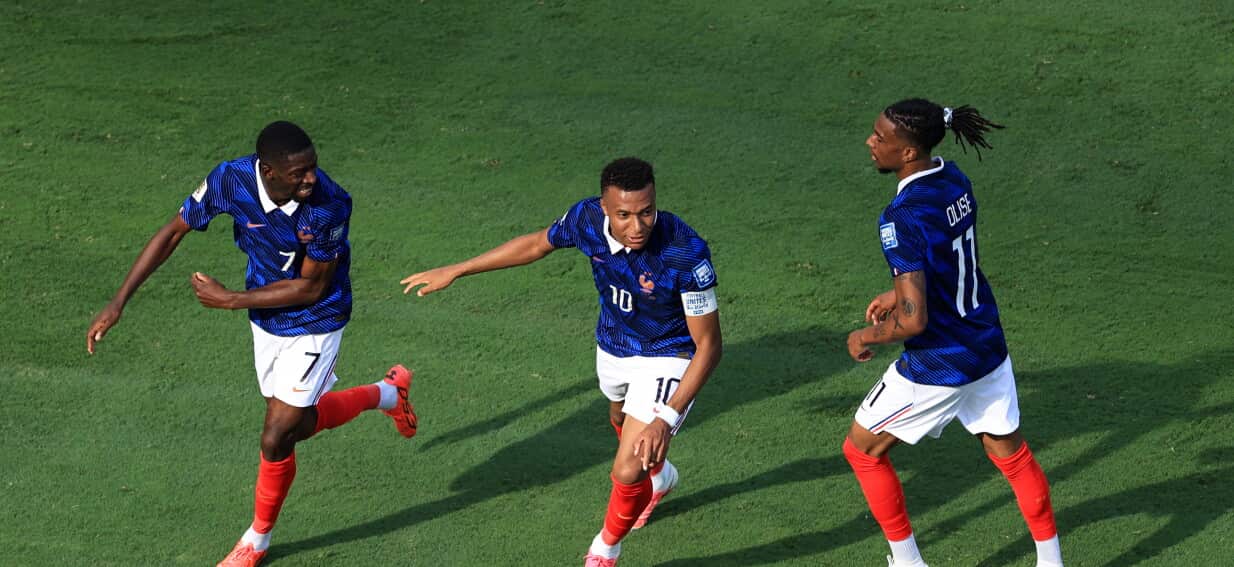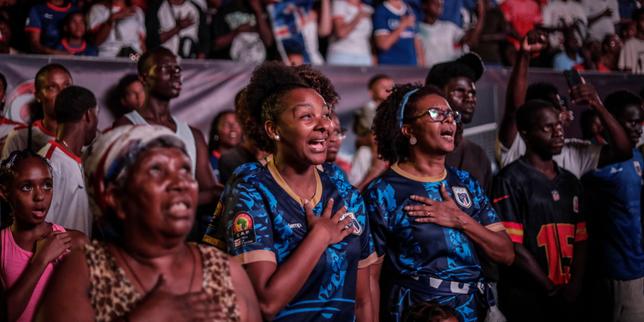
Nobody expected a tiny island nation of roughly 600,000 people to look the reigning world champions dead in the eye and refuse to blink. When Cape Verde stepped onto the pitch at Miami Stadium against Lionel Messi and Argentina, the script had already been written by every major pundit. Argentina would cruise. Messi would add to his legendary highlight reel. The tournament debutants would leave with a polite round of applause for just making it this far.
Instead, we witnessed a legendary battle that pushed the defending champions to the absolute brink of total disaster. Argentina escaped with a 3-2 victory in extra time, but the final score tells only a tiny fraction of the story.
The Audacity of the Underdog
Football is a game of staggering financial and structural divides. Consider the reality of Cape Verde's incredible goalkeeper, Vozinha. The 40-year-old veteran plays his club football in the Portuguese second division. Last year, he earned about $53,000. Lionel Messi makes that exact amount of money in about five minutes of competitive action.
Yet, on the pitch in Miami, those numbers evaporated. Vozinha became a wall, frustrating the Argentine attack with eight massive saves over the course of 120 minutes. He stood up to Messi, shut down point-blank efforts, and gave his teammates the belief that they could achieve something genuinely impossible.
Argentina started with their classic high-pressing intensity. In the 29th minute, Messi broke the deadlock with a breathtaking first touch and a deft finish that sent the stadium into a frenzy. It was his 20th career World Cup goal. For most teams, conceding early to Argentina is the beginning of the end. Heads drop. Spaces open up. The rout begins.
Cape Verde chose a different path.
Shaking the Foundations of the Defending Champions
Coach Bubista set his team up in a rigid, disciplined 4-1-4-1 formation that squeezed the spaces between the lines. They didn't panic after Messi's opener. They chased, tackled, and transitioned with a speed that caught the Argentine midfield completely off guard.
The reward came in the 59th minute. Deroy Duarte picked up the ball, drove forward, and squeezed a brilliant effort into the far corner past Emiliano Martínez. The stadium went completely quiet, save for a small, ecstatic pocket of blue-clad fans.
Argentina looked rattled. Lionel Scaloni burned through his substitutes, bringing on heavy hitters like Julián Álvarez and Nicolás González to break the deadlock. The remaining minutes of regular time turned into a messy, labored affair for the champions. They looked tired, anxious, and shockingly vulnerable.
When the referee blew the whistle for the end of regular time, the impossible felt tangible.
Drama in Extra Time
Extra time at the World Cup is where depth and experience usually take over. Argentina struck almost immediately. In the 92nd minute, Lisandro Martínez found space and whipped a spectacular effort into the top right corner. It felt like the definitive heartbreak for the islanders.
But this Cape Verde team possesses an unbelievable level of resilience.
In the 103st minute, Sidny Lopes Cabral produced a moment of pure magic. He picked up the ball out wide, cut inside, and unleashed a stunning long-range curler that sailed past Martínez. It is an immediate contender for goal of the tournament. The Cape Verde bench spilled onto the field. Messi stood in the center circle, hands on his hips, staring into space in absolute disbelief.
The match was finally decided by the cruelest margin. In the 111th minute, a dangerous Argentina corner caused chaos in the box. Cristian Romero rose for a header, and the ball deflected off Cape Verde defender Diney Borges into his own net. It was a brutal way to lose a historic match. Even after the own goal, Cape Verde threw body and soul forward, nearly forcing penalties in the dying seconds.
What This Performance Means for the Global Game
Social media platforms exploded immediately after the final whistle. While Argentina advances to the Round of 16, their performance has drawn heavy criticism from fans who believe the reigning champions looked thoroughly exposed.
The real story belongs to Cape Verde. They exit the 2026 World Cup with their heads held high and their footballing reputation completely transformed. They proved that tactical discipline, bravery, and absolute unity can bridge even the widest economic gaps in modern sports.
For smaller football nations looking to replicate this blueprint, the lessons are clear. Invest heavily in structural defensive cohesion, build a counter-attacking transition system that relies on extreme physical fitness, and never show fear regardless of the name on the back of the opponent's jersey. Cape Verde didn't just participate in the World Cup; they left a permanent mark on its history.