The desert teaches you to respect silence, but it never prepares you for the roar.
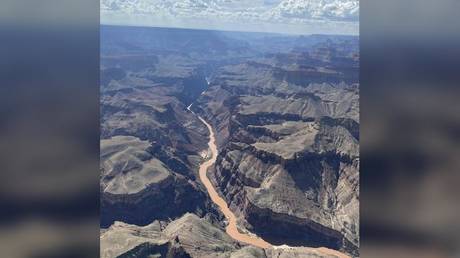
Before the water came, there was only the heavy, oppressive stillness of the Grand Canyon after dusk. The air smelled of baked dust, dry sage, and the faint, sweet trace of mesquite smoke drifting from a cluster of bunkhouses tucked safely against the stone ribs of the earth. Out here, time stretches. Shadows lengthen across canyon walls that have stood in mute witness for millions of years, indifferent to the fragile human lives clinging to their base.
Nobody hears a flash flood until it is already breathing down your neck.
It starts miles away. A storm swells over a distant mesa, invisible to the valley below. Rain dumps by the ton onto baked, impermeable clay that refuses to drink a single drop. The water has nowhere to go. Gravity takes the wheel. It pools, it surges, it finds old drainage paths carved by centuries of ancient tempests, and it turns into a roaring wall of mud, debris, and displaced boulders. A liquid battering ram.
Consider what happens next.
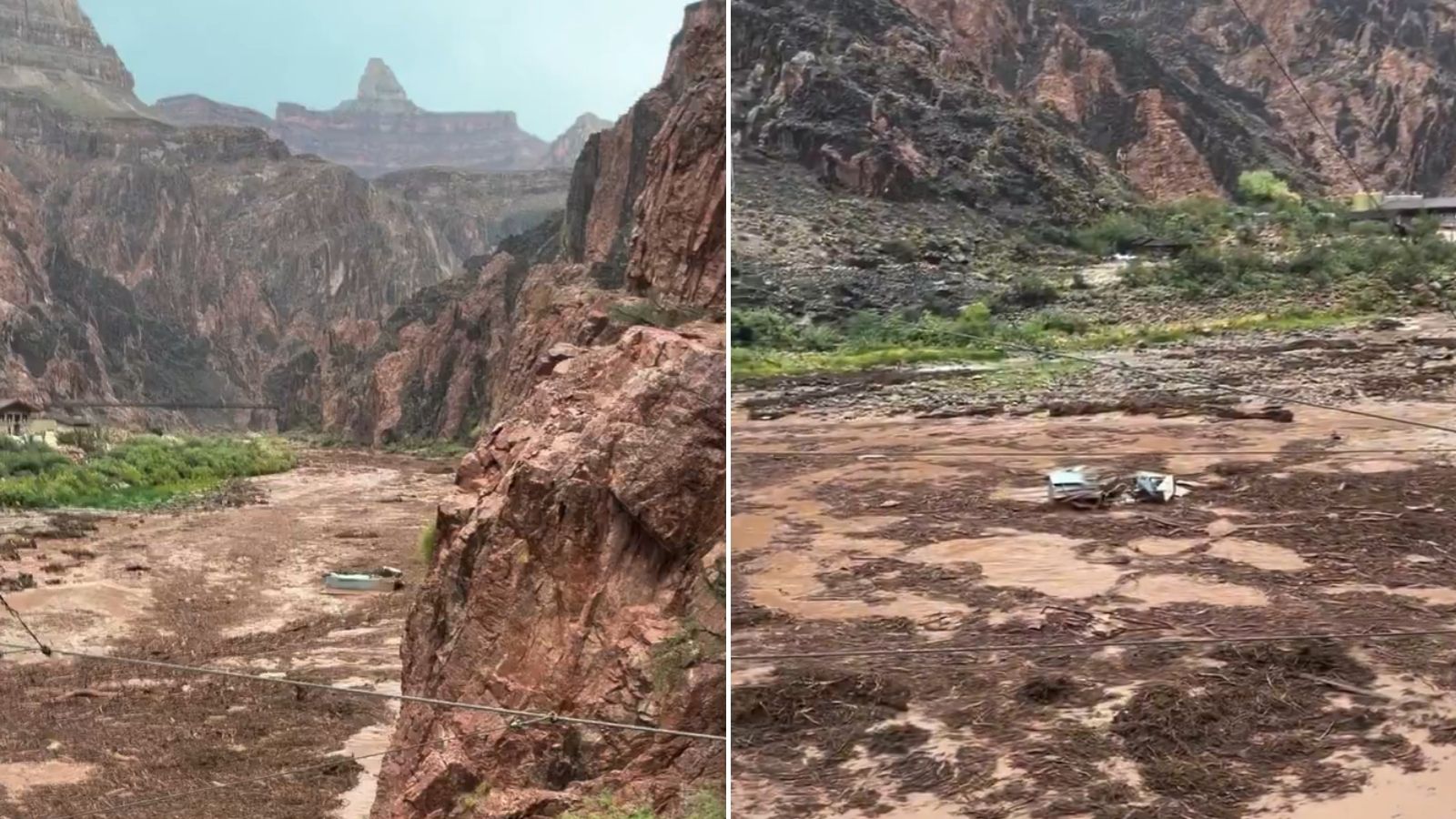
The bunkhouse did not collapse gracefully. According to reports following the disaster, a sudden torrent tore through the remote camp, sweeping the heavy wooden structure off its foundations as if it were built of balsa wood. Boulders, loosened from the canyon heights, bounced like pebbles in the churning brown wake.
At least twenty souls vanished into the churning dark.
I know the weight of that fear. Standing on the edge of these abysses, you feel small. But standing in the path of a flash flood, you realize how utterly weightless you are. You are a leaf in a hurricane. You are a whisper in a thunderstorm.
Flash floods are the canyon’s most terrifying paradox. They are born of clear blue skies elsewhere. You can be sitting under a canopy of stars while, twenty miles upstream, a meteorological hammer drops. The water races down narrow slot canyons, accelerating with every twist and turn, compressing immense volume into narrow corridors until the pressure shatters everything in its path.
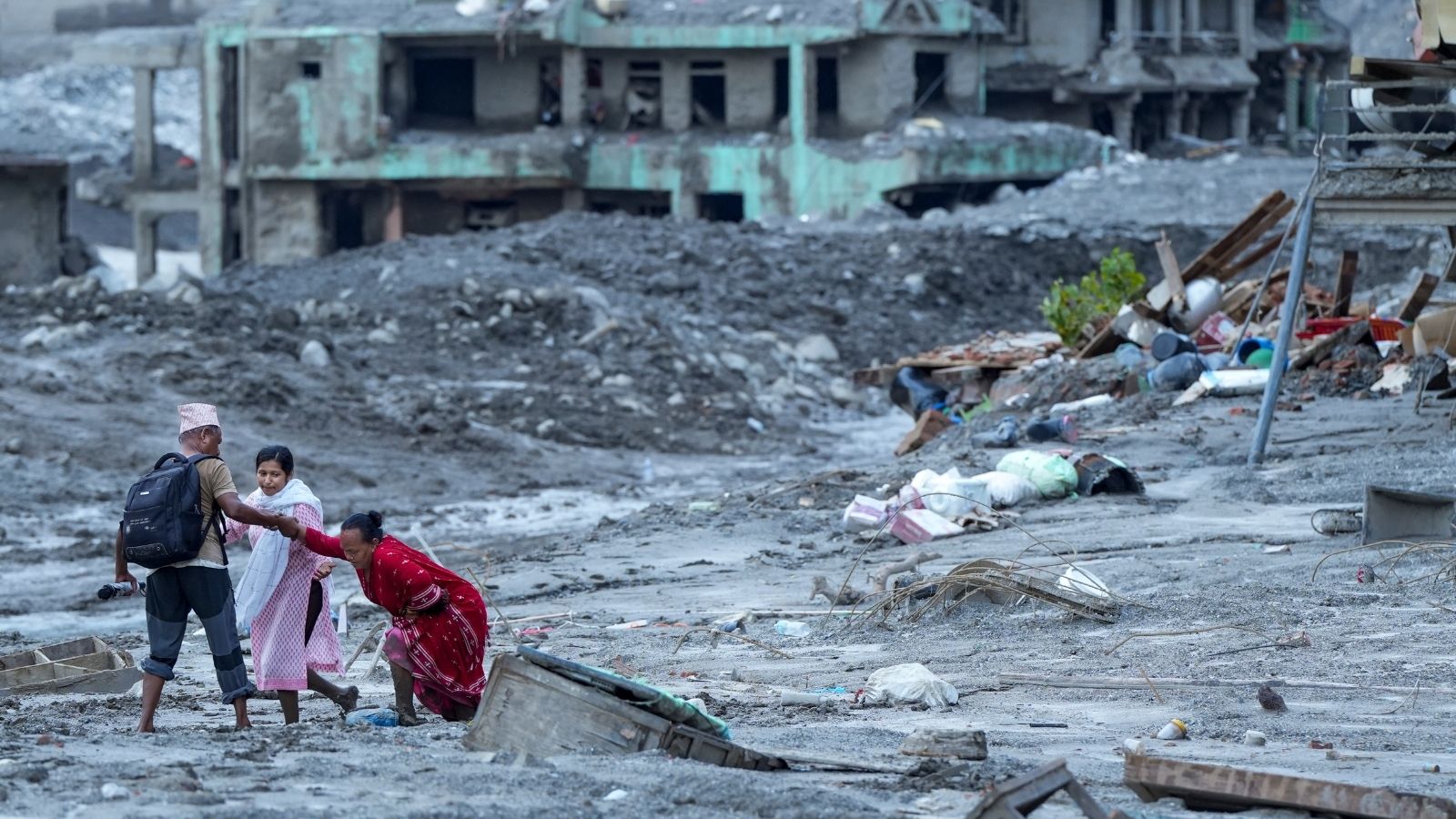
Rescuers move into the canyon now with flashlights and heavy ropes, facing a landscape rearranged by chaos. Mud cakes their boots. The air is thick with the metallic tang of wet silt. Every turn of the riverbed offers a grim new puzzle. Did someone manage to scramble up the steep talus slopes in time? Did a pocket of air provide refuge beneath an overhang?
We chase numbers in headlines. Twenty missing. A statistic. A tally to be updated on morning news broadcasts. But behind every digit is a pair of boots left by a doorway, a half-written letter, a family staring at a glowing phone screen waiting for a ping that will never arrive.
The canyon remains indifferent. The stars are back out tonight, cold and bright, wheeling overhead as if nothing happened. The mud will eventually dry, baking hard in the morning sun, sealing the scars until the next time the sky opens and the earth remembers how to drown.