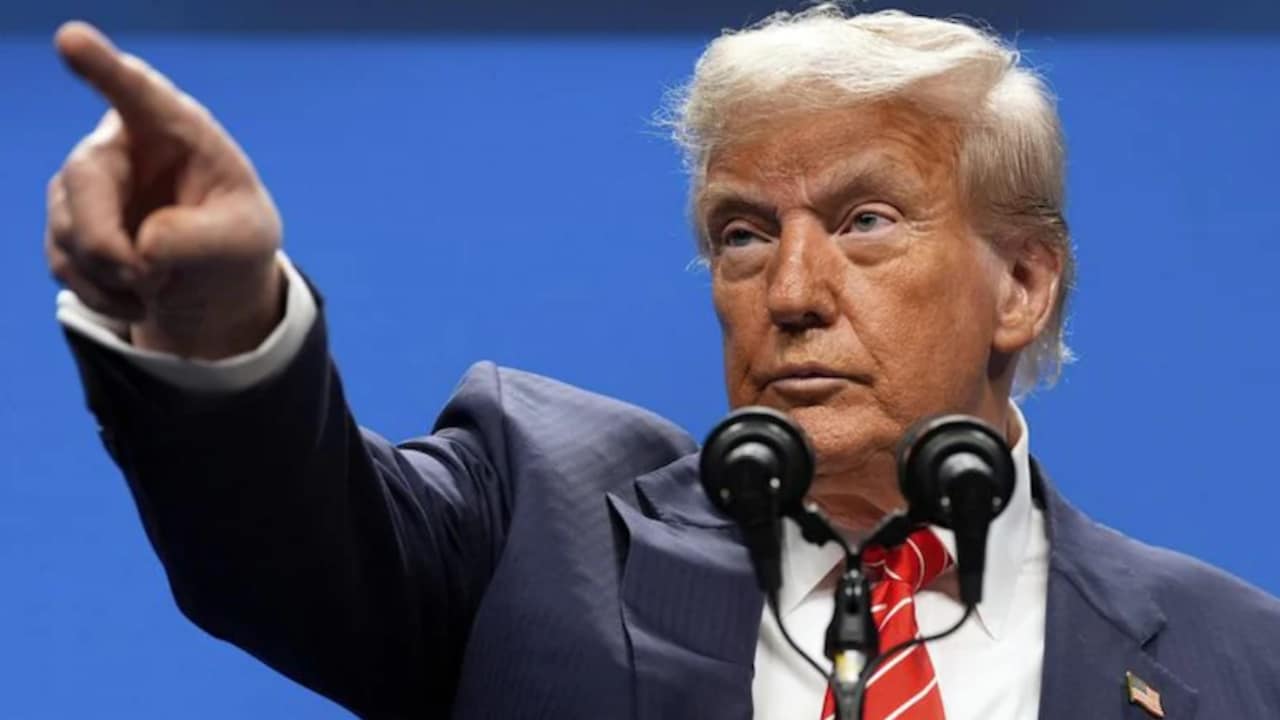
On Thursday at 9 p.m. Eastern Time, President Donald Trump will stand before television cameras to deliver a primetime address on what he calls free and fair elections. He promises a very big announcement. Yet behind the theatrical buildup lies a deliberate political survival strategy. Facing a collapsing diplomatic deal with Iran, rising domestic outrage over fatal shootings by federal immigration officers, and difficult midterm elections, the White House is reviving a familiar playbook. By elevating unproven claims of systemic voting machine vulnerabilities and foreign interference, Trump is attempting to reshape the political conversation on his own terms.
The Thursday Strategy
A primetime address from the Oval Office is historically reserved for moments of grave national crisis or major policy achievements. When a president claims the airwaves on a weekday evening, the public expects a matter of war, peace, or economic emergency.
By using this platform to focus on election administration, the administration is treating voting rules as an immediate security threat. Trump has maintained that without drastic changes, the upcoming midterms are compromised. This is a messaging strategy designed to preemptively explain away potential Republican losses in November.
Critics point out that this messaging serves a double purpose. It keeps his core supporters highly mobilized while shifting focus away from policy areas where the administration is currently struggling to find its footing. It is a masterclass in political misdirection.
Declassified Intel As A Weapon
Administration officials have quietly signaled that the speech will feature newly declassified intelligence. This material reportedly concerns foreign efforts to compromise voting systems during the 2020 election, a contest Trump has repeatedly claimed he won.
White House insiders suggest the intelligence will focus on overseas adversaries targeting voting machine infrastructure. This allows the administration to claim that long-dismissed concerns about the 2020 results were justified by national security briefings.
However, intelligence experts urge extreme caution. Declassifying specific files is a highly selective process. A president can choose to release documents that support a specific narrative while leaving out the broader context that would disprove it. By presenting raw, uncontextualized intelligence directly to the public, the administration can bypass the usual analytical checks and balances of the intelligence community.
Furthermore, this move represents a direct challenge to the federal agencies tasked with safeguarding election infrastructure. For years, cybersecurity officials have maintained that while foreign actors frequently attempt to probe state systems, there is no evidence that any votes were altered or that voting machines were compromised in a way that changed the outcome. Re-litigating these claims on national television risks undermining the public trust that these agencies have worked to build.
Smoking Screen For Foreign Policy Failures
The timing of this sudden national address is not an accident. The administration is currently confronting a major foreign policy crisis in the Middle East.
Just days ago, Trump formally notified lawmakers that the United States is resuming active hostilities with Iran. A highly controversial naval blockade has been declared in the Persian Gulf, alongside a twenty percent transit fee on cargo passing through the critical Strait of Hormuz.
This aggressive escalation has not gone as planned. The administration's efforts to secure an advantageous diplomatic resolution have collapsed, leaving the U.S. isolated on the international stage. Domestic opposition to another protracted military conflict is growing rapidly, with protests emerging in several major cities.
At the same time, the administration is facing intense scrutiny over domestic immigration enforcement. Recent fatal shootings involving Immigration and Customs Enforcement officers have triggered congressional investigations and widespread public outcry.
When a president faces simultaneous crises abroad and at home, changing the subject is often the most effective defensive tactic. An address on election integrity dominates the news cycle, forcing media outlets to debate voting machines and constitutional procedures rather than focusing on military blockades or domestic law enforcement scandals.
The Midterm Blueprint
The upcoming midterm elections present a severe threat to the administration's legislative agenda. If the opposition party gains control of Capitol Hill, the final years of Trump's term will be marked by aggressive oversight and stalled policies.
To prevent this, the White House is pushing for the passage of the SAVE America Act. This proposed federal legislation would mandate strict photo identification and proof of citizenship for all federal elections, while severely restricting mail-in voting.
Trump has used his platform to pressure congressional Republicans to pass these rules immediately. He has also taken the unusual step of intervening in local races, publicly calling a U.S. attorney to demand an investigation into a recent mayoral primary in Los Angeles, where a prominent Republican candidate lost.
In Georgia, federal agents recently raided elections offices in Fulton County, seizing documents from past elections. These aggressive actions demonstrate that the administration is no longer just using rhetoric; it is actively deploying federal law enforcement resources to challenge election administration at the state and local levels.
By framing these actions as a defense of the democratic process, the administration hopes to energize its base and build momentum ahead of November. The message to voters is clear: any outcome other than a decisive victory for the president's allies will be painted as the result of a compromised system.
A Legacy Of Built In Skepticism
The strategy of casting doubt on election outcomes has been a defining feature of Trump’s political career. This pattern did not begin with his loss in 2020, nor is it likely to end with the upcoming midterms.
As early as 2016, Trump repeatedly declined to state whether he would accept the results of the presidential election if he lost. Following his victory, he established a voting integrity commission to investigate claims of widespread fraud, though the panel disbanded after failing to find any supportive evidence.
In the years since, this rhetoric has become institutionalized. Key administrative posts have been filled with officials who openly support claims of past election interference. Just last week, Trump dismissed the remaining members of the federal Election Assistance Commission, a bipartisan advisory body that had resisted White House proposals to implement national citizenship verification requirements.
By dismantling bipartisan oversight and replacing it with loyalists, the administration has created an environment where election rules are viewed entirely through a partisan lens. This shift has profound implications for the stability of democratic institutions. When the rules of the contest are permanently questioned by the highest office in the land, the peaceful transfer of power becomes increasingly difficult to guarantee.
The upcoming primetime address is the culmination of this long-term strategy. It is not merely a speech about policy; it is a political maneuver designed to insulate the administration from foreign policy failures, pressure lawmakers into passing restrictive voting measures, and lay the groundwork to challenge any future electoral defeats.