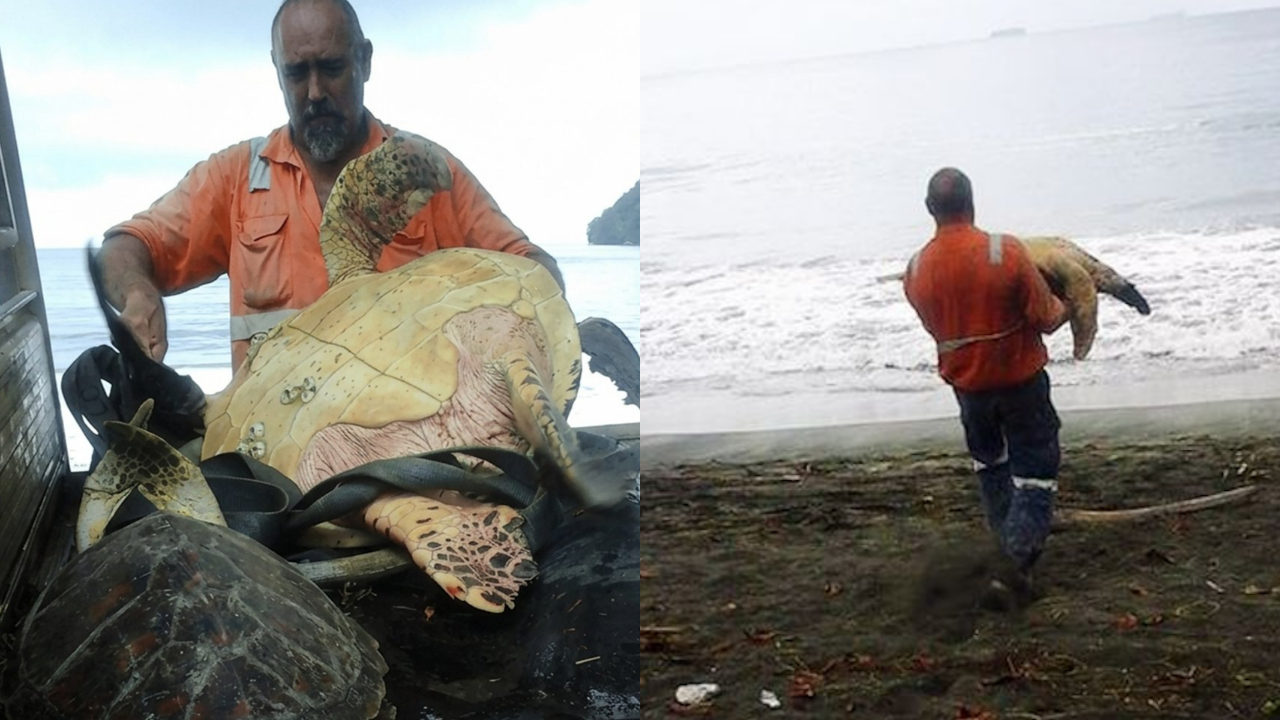
In 2015, two well-meaning travelers spotted live sea turtles at a market in Papua New Guinea, bought them, and released them back into the ocean. The internet swooned. Media outlets rushed to frame the pair as eco-heroes, splashing feel-good headlines across social feeds worldwide.
It makes a great photo-op. It makes an even better viral post.
It is also terrible for marine conservation.
What those travelers actually did was create a immediate local spike in commercial demand for an endangered species. They signaled to local fisherman that harvesting sea turtles isn't just a way to feed their families—it’s a reliable, high-margin cash cow fueled by wealthy foreigners seeking a moral high.
Welcome to the cobra effect in environmental activism. When you pay a poacher or a local market vendor to "rescue" an animal, you do not dismantle the trade. You fund its next supply run.
The Flawed Economics of "Mercy Buying"
Let's break down the basic supply and demand mechanics that mainstream eco-journalism routinely ignores.
In coastal communities throughout Papua New Guinea, marine turtles—primarily greens and hawksbills—have been harvested for generations. They provide essential protein and income in regions where economic opportunities are severely constrained.
When a tourist walks into a market and pays market price (or worse, a tourist markup) to buy a living turtle for release, three devastating economic incentives instantly kick in:
- Guaranteed Profit Margins: The fisherman receives cash without having to spend time butchering, preserving, or transporting the meat. The profit-to-effort ratio skyrockets.
- Immediate Replacement Demand: A vacant spot in the market stall is an opportunity for profit. The vendor doesn't close up shop and rethink their life choices; they call the fisherman to catch another turtle to meet the new "rescue" market.
- Price Inflation: Foreign capital artificially inflates the local value of the species, making wild capture far more lucrative than alternative, sustainable livelihoods like algae farming or eco-tourism guiding.
I have spent years working alongside marine biologists and field conservationists who constantly have to clean up the fallout of these high-profile, well-intentioned interventions. The story is always the same: well-meaning outsiders treat systemic economic issues as simple photo opportunities, leaving local enforcement and actual conservationists to deal with the inflated poaching market left in their wake.
[Image of sea turtle conservation]
What Really Happens to "Rescued" Turtles
Even if we ignore the toxic economics, the biological reality of these vigilante releases is grim.
Releasing a sea turtle isn't as simple as carrying it to the surf and taking a video for social media. Wild animals held in crowded, unhygienic market conditions face massive physiological stress.
- Infection and Pathogen Spread: Turtles kept in dirty market tubs frequently pick up bacterial infections or parasites. Returning them to the open ocean without quarantine risks introducing foreign pathogens into fragile local reefs.
- Severe Dehydration and Shock: Hours or days out of the water, exposed to sun and wind, cause severe internal stress. Tossing a severely dehydrated turtle back into heavy ocean surf often leads to immediate drowning or predation because the animal lacks the stamina to swim to safety.
- Disorientation: Sea turtles rely on complex navigational instincts. Throwing an exhausted, disoriented animal into unfamiliar coastal currents makes them easy pickings for local predators right off the beach.
The feel-good viral video ends the second the turtle disappears beneath the waves. The actual biological outcome usually happens out of frame, hours later.
Dismantling the "Direct Action" Myth
When confronted with these realities, defenders of mercy buying always ask the same defensive question: "So we should just let them die?"
That question reveals a fundamental misunderstanding of how long-term conservation works.
Direct intervention feels satisfying because it provides an immediate emotional payoff. You see a suffering animal, you spend money, you see the animal swim away. You get to play savior for twenty minutes.
Real conservation is unsexy, slow, and frequently boring. It doesn't yield viral videos. It involves:
- Legal Protections: Establishing community-managed marine protected areas (MPAs) where local leaders enforce harvest bans themselves.
- Economic Substitution: Building functional economic alternatives so a fisherman can earn more money protecting a nesting beach than harvesting a turtle.
- Customary Rights Integration: Working inside local cultural frameworks (like PNG's Tubu custom systems) to enforce seasonal closures rather than imposing western moral mandates.
When foreign activists drop in and buy out market stalls, they undermine years of painstaking community negotiation. Why accept a slow-paying sustainable development grant when a traveler will pay two months' wages for a single living hawksbill?
The Counter-Intuitive Blueprint That Actually Works
If you find yourself in a region where endangered wildlife is sold openly in markets, throwing money at the problem is the absolute worst thing you can do.
Here is what actual, field-tested conservation strategy looks like on the ground:
1. Zero Cash to the Illegal Supply Chain
Never hand money to anyone holding a wild animal, regardless of their promises or your intentions. The moment money changes hands, you are a customer in the wildlife trade. Period.
2. Support Community Guard Programs
In Papua New Guinea, organizations like the Conflict Islands Conservation Initiative work by training local villagers to become rangers. They pay locals to monitor and protect nesting sites, converting former harvesters into paid custodians. Supporting these frameworks guarantees that the financial incentive favors keeping the animal alive in the wild permanently.
3. Report, Document, and Engage Local Enforcement
Instead of buying the animal, document the sale, gather precise location data, and report it to local environmental authorities or established local NGOs. While enforcement in remote regions can be spotty, building institutional documentation is vital for securing international funding and policy shifts.
4. Accept the Uncomfortable Trade-Off
True advocacy requires prioritizing systemic health over individual emotional comfort. Refusing to buy that turtle at the market is agonizingly difficult. But leaving that transaction unfulfilled is the only thing that reduces the incentive for the fisherman to set another net tonight.
Stop praising market rescues. Stop sharing viral videos of tourists buying back wildlife. Until we address the raw economic incentives driving the harvest, buying a turtle off a market table isn't saving a life—it's placing an advance order for the next one.