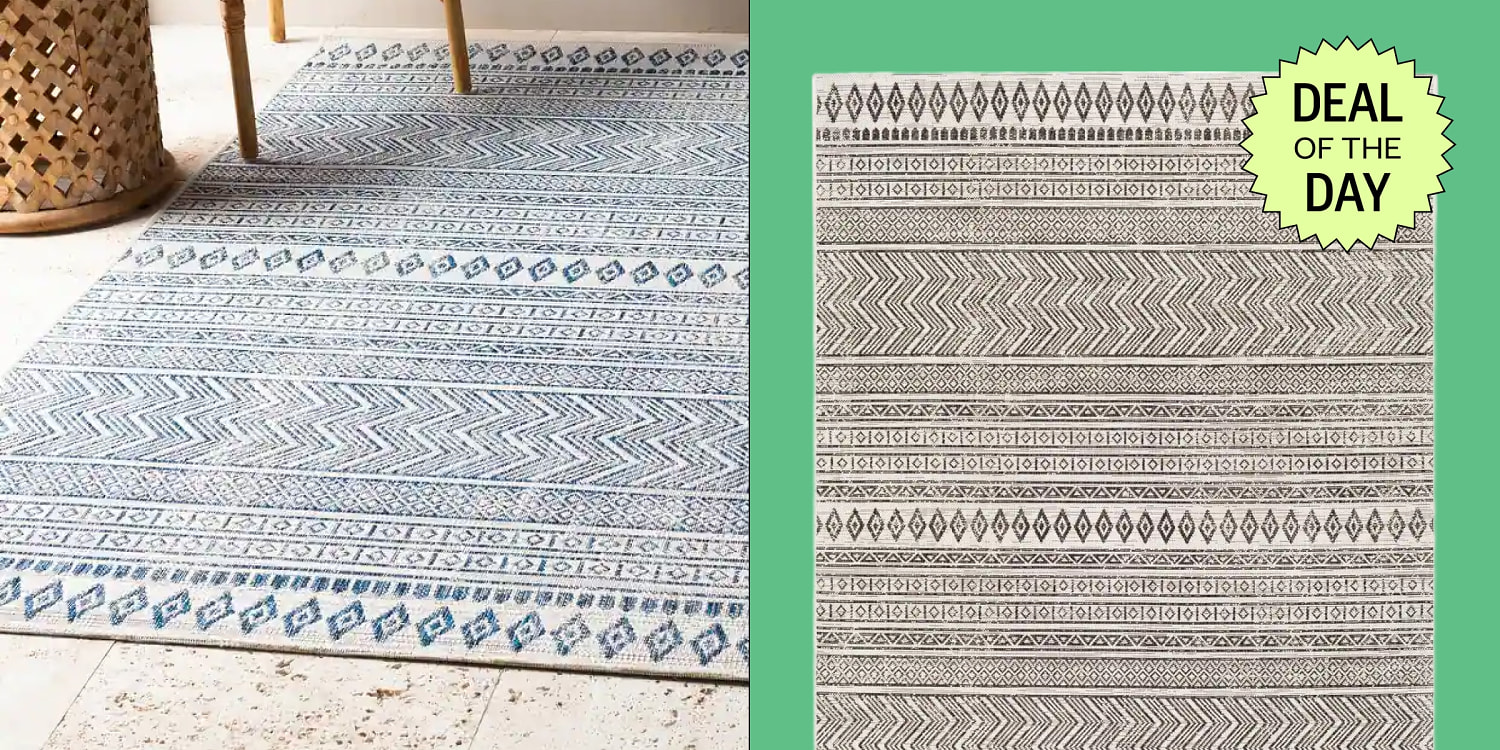
Discount tags of 70% off do not represent a sudden burst of retailer generosity. They are distress signals. When major home goods retailers like the revived, digital-only Bed Bath & Beyond slash prices on outdoor rugs to near-cost levels, it points to a much larger systemic issue. The industry is currently drowning in overproduced, synthetic inventory. Retailers are desperate to clear warehouse space before autumn, even if it means taking a loss.
If you are a consumer, this is the prime window to buy. But you need to know exactly why these prices are collapsing and how to spot the actual high-quality bargains hiding among the literal plastic trash.
The Great Inventory Hangover
Retailers are terrible at predicting the future. During the housing and home-improvement boom of the early 2020s, supply chain panic forced corporate buyers to over-order everything. Outdoor living spaces were the premium trend. Millions of square feet of polypropylene yarn were spun, woven, and shipped across the globe.
Then, the market cooled.
Interest rates spiked, home sales plummeted, and consumer spending shifted from backyard renovations to travel and experiences. Retailers were left holding massive volumes of seasonal goods. Because outdoor rugs are bulky, they occupy premium real estate in distribution centers.
[Typical Retail Markup vs. Liquidation Pricing]
Manufacturer Cost: $15 - $25
Standard Retail Price: $120 - $180 (600%+ Markup)
Deep Discount Price (70% Off): $36 - $54 (Clearing space, near cost)
Keeping a $150 rug in a third-party logistics warehouse for an extra six months can cost more than the profit margin of the rug itself. It is cheaper for a company like the modern Bed Bath & Beyond—now operating under the corporate umbrella of Beyond, Inc.—to liquidate these items at 70% off than to pay for continued storage.
Why Most Cheap Outdoor Rugs Are Plastic Waste in Waiting
Before you add a $40 oversized rug to your online shopping cart, you must understand what you are actually buying. The vast majority of deeply discounted outdoor rugs are made from polypropylene, a thermoplastic polymer.
Polypropylene is highly favored by manufacturers because it is incredibly cheap to produce, inherently stain-resistant, and does not absorb water. However, not all polypropylene is created equal.
The Virgin vs. Recycled Plastic Dilemma
Cheap manufacturing processes often rely on low-grade recycled plastics that have already undergone thermal degradation. This makes the fibers brittle. When exposed to direct sunlight, these low-tier rugs degrade rapidly through a process called UV degradation. Within a single season, the colors fade, and the fibers begin to shed a fine, chalky powder. This powder is actually microplastic debris that you track into your home or wash into your backyard soil.
The Heat Trap
Polypropylene is plastic. Plastic retains heat. If you place a cheap, dark-colored synthetic rug on a sunny deck, the surface temperature can easily surpass 130 degrees Fahrenheit. It becomes unusable for bare feet, children, and pets. High-quality outdoor rugs mitigate this by blending materials or using specific weave structures that allow airflow, but these are rarely the ones discounted to the absolute bottom of the clearance rack.
How to Spot a Genuine High-Value Rug on the Clearance Rack
To successfully navigate a massive liquidation sale without buying garbage, you must ignore the marketing fluff and dive straight into the product specifications.
Check the Denier and Face Weight
In textile manufacturing, denier measures the linear mass density of fibers. A higher denier means thicker, more durable threads. Look for rugs that list a substantial pile height or weight. If a 5x8 rug weighs less than 10 pounds, it is incredibly sparse and will curl at the corners within weeks.
Inspect the Edges and Binding
The weakest point of any outdoor rug is the surging—the thread wrapped around the outer edges to prevent fraying.
- Poor Quality: A thin, loose polyester thread that can easily snag and unravel.
- High Quality: Heavy-duty polypropylene binding tape stitched with UV-stabilized thread.
Look for the "UV-Stabilized" Label
Do not buy an outdoor rug unless the description explicitly states the fibers are UV-stabilized or UV-resistant. This means chemical stabilizers, such as hindered amine light stabilizers (HALS), were added to the polymer mix during extrusion to block solar radiation from breaking down the chemical bonds of the plastic.
The Environmental Cost of the Bargain Cycle
There is no such thing as a free lunch, and there is no such thing as a truly harmless $30 rug. The environmental footprint of these cheap, mass-produced synthetic rugs is staggering.
Polypropylene is derived from fossil fuels. Because these rugs are cheap, consumers tend to treat them as semi-disposable, throwing them into landfills after one or two summers when they become stained or frayed. Unlike natural fibers, a synthetic rug will persist in a landfill for hundreds of years, slowly fragmenting into microplastics that contaminate local waterways.
If you want to opt out of this cycle while still enjoying the low prices of a clearance sale, search specifically for flat-woven PET (polyethylene terephthalate) rugs. These are made from recycled plastic bottles, giving a second life to existing waste, and they tend to have a texture that closely mimics natural wool, without the heat-retention issues of pure polypropylene.
The Strategic Buyer's Playbook
If you are going to exploit the current retail inventory crisis, do it with precision.
Look for neutral tones and classic geometric patterns. Trendy, overly bright seasonal patterns are discounted the deepest because they go out of style fast, making them harder for retailers to sell next year. Stick to flat-weaves rather than tufted options, as flat-weaves drain water much faster after rain, preventing mold and mildew growth on your patio deck.
The clearance event at Bed Bath & Beyond is not an isolated sale. It is a reflection of a volatile retail sector trying to survive its own bad planning. Buy the inventory they are desperate to lose, but make sure you are buying the pieces engineered to last, not the ones destined for the dumpster by October.


