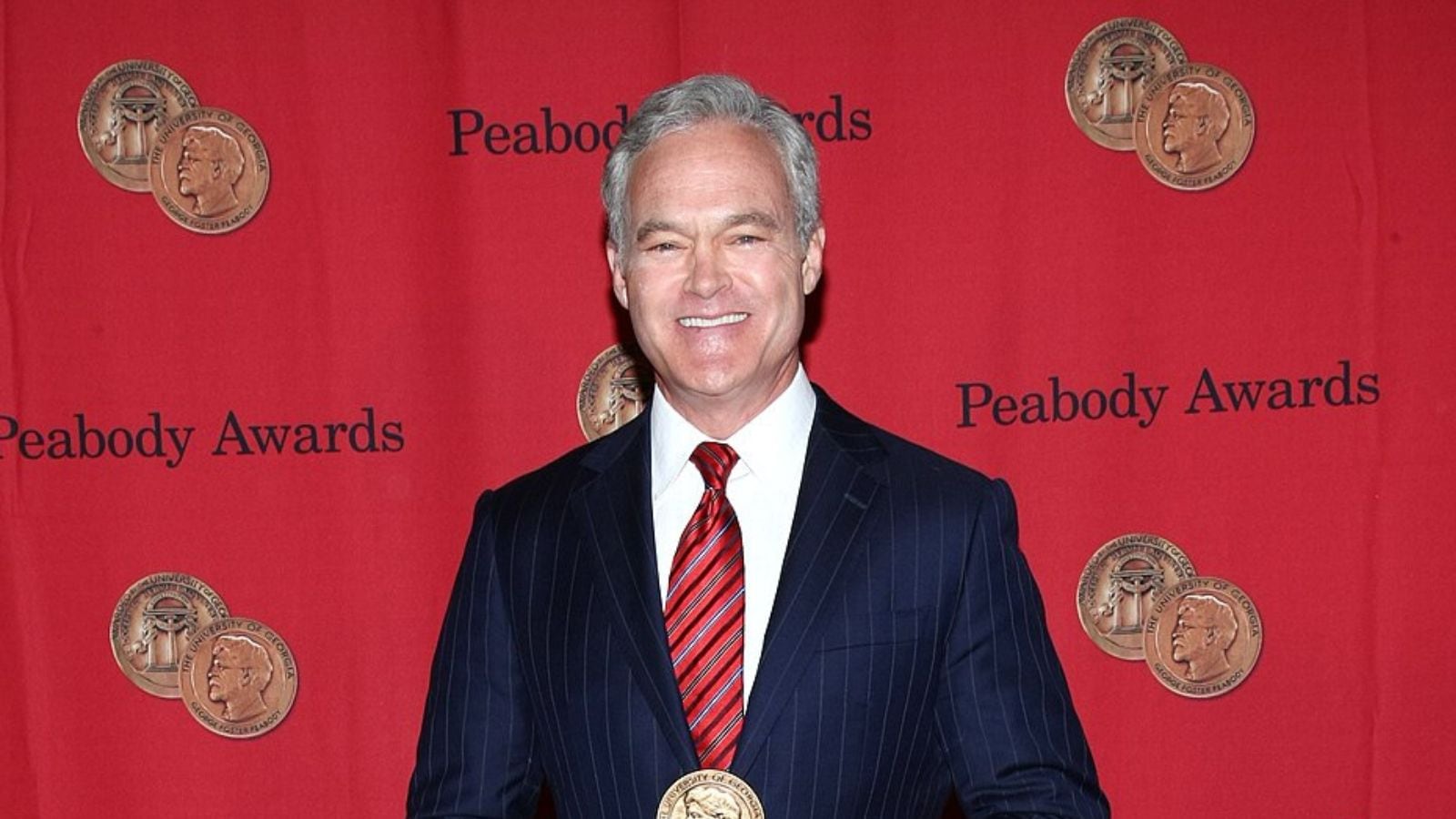
Unilever chief executive officer Fernando Fernández dropped the corporate mask this week, blunt-forcing a defensive rationale for a contentious $66 billion consumer goods alliance. Addressing investor anxiety at a Deutsche Bank conference over organizational whiplash, the combative CEO dismissed concerns that his breakneck restructuring strategy would break company morale. "People say, are you under the risk of change fatigue? I'm not paid to be lazy. Our people are not paid to be lazy," Fernández declared. The statement, raw and unpolished, signals a definitive burial of the company's historical identity as a patient, purpose-driven corporate incubator.
The immediate catalyst for this executive defiance is a mega-deal combining Unilever food operations with American spice giant McCormick. Shareholders reacted with distinct coldness, erasing 7% from Unilever stock value as anxiety grew regarding a combined $20 billion revenue entity saddled with a leverage ratio of four times net debt to earnings. For a global conglomerate that spent decades prioritizing social governance, climate metrics, and employee consensus, this sudden shift toward aggressive, highly leveraged financial engineering is jarring. It represents a deeper, systemic pivot from a gentle corporate culture toward an unforgiving, metric-driven regime engineered by activist pressure and executive desperation. Meanwhile, you can find related stories here: Why Scale is Killing Your Ad Campaign and How French Media Proves It.
The Death of the Compassionate Conglomerate
For a generation, the consumer goods titan operated under a distinct philosophy. It was an institution where long employee tenures, internal talent cultivation, and patient developmental frameworks were standard. Success was not measured purely in immediate quarterly volume growth, but in sweeping, multi-decade sustainability targets. That model is dead.
The corporate structure is undergoing an aggressive purging of what leadership calls pockets of mediocrity. Under the previous chief executive, Hein Schumacher, the business began a tactical retreat from its long-term, public environmental commitments, short-terming its operational targets to appease Wall Street. Fernández, the former chief financial officer who stepped into the top role, has accelerated this trajectory with alarming speed. The company has already eliminated thousands of white-collar positions globally, slicing deep into its managerial layers. To see the complete picture, we recommend the recent article by CNBC.
This cultural overhaul is not unique to Unilever, but its implementation here is particularly severe. Across the consumer staples sector, a broader executive reaction against pandemic-era labor concessions is taking hold. Corporate leaders are dismantling the empathetic, accommodating ethos that defined the early 2020s, replacing it with an explicit demand for raw output. At rival firms like Nestlé, bonus structures are being widened aggressively to reward top-tier performers while leaving underperforming staff with nothing, deliberately shifting away from qualitative harmony toward quantifiable survival.
The Activist Shadow and the McCormick Play
To understand why a consumer goods giant would willingly absorb the massive operational disruption of the McCormick merger immediately after carving out and spinning off its massive ice cream unit, one must look at the boardroom roster. Activist investor Nelson Peltz, who joined the board after building a significant stake through Trian Fund Management, has spent years demanding a radical simplification of the sprawling conglomerate.
Confronted with stagnating growth and a portfolio vulnerable to cheaper private-label alternatives, the corporate playbook dictated a dramatic maneuver. Merging the food division—home to legacy brands like Marmite and Knorr—with McCormick creates an absolute titan in the flavor and savory category. It offers immediate scale, pricing leverage against grocery giants, and significant cost redundancies. Yet, the price tag is an immense accumulation of debt and a workforce tasked with executing a massive integration while still adapting to the separation of the Magnum ice cream business.
Unilever Food & McCormick Combined Profile:
- Total Valuation: ~$66 Billion
- Annual Revenue: ~$20 Billion
- Leverage Ratio: 4x Net Debt to Earnings
This structural tension is where the executive rhetoric turns hostile. When a corporate leader publicly announces that staff are not paid to be lazy, it is an acknowledgment that the margins for error have vanished. The financial architecture of the McCormick transaction demands immediate, flawless execution to service the resulting debt load. There is no longer any budgetary room for experimental corporate social programs, lengthy consensus-building workshops, or administrative bloat.
The Operational Cost of Relentless Velocity
The primary risk confronting this new corporate era is not intellectual laziness, but systemic exhaustion. Organizational psychology demonstrates that while aggressive restructuring can yield short-term productivity spikes, prolonged periods of structural chaos erode operational efficiency. Middle management, the vital connective tissue responsible for translating executive mandates into store-shelf execution, is being systematically thinned out.
When senior leadership operates with a public disregard for change fatigue, it creates an environment driven entirely by self-preservation. In such cultures, long-term strategic thinking is abandoned in favor of manipulating short-term metrics to secure survival bonuses. Employees stop flag-flying operational risks or questioning flawed strategies because dissent is interpreted as a lack of performance intensity.
Furthermore, the consumer goods sector relies heavily on brand equity and consumer trust. While slashing costs and forcing structural speed looks excellent on an institutional investor presentation, it can degrade the subtle, everyday execution required to keep premium brands dominant. If the workforce is consumed by internal turf wars, structural realignments, and fear of the next redundancy round, product innovation stalls.
A Disconnect at the Top
The combative nature of modern corporate governance is laying bare a fundamental disconnect between executive compensation and employee reality. Chief executives are compensated via equity packages heavily tied to rapid, structural transformations and immediate share-price corrections. For an executive, a high-stakes merger or a massive layoff is an active, reportable strategic milestone that demonstrates decisiveness to the markets.
For the salaried workforce, these maneuvers represent a chaotic disruption of daily operations, shifting targets, and heightened economic insecurity. Suggesting that resistance to an unending cycle of corporate realignments stems from laziness misdiagnoses the problem entirely. The workforce is not refusing to work; it is struggling to function within an organization that changes its reporting lines, its divisional boundaries, and its core strategic priorities every six months.
The era of the comfortable, socially conscious corporate career at the upper echelons of consumer goods has concluded. The future belongs to lean, highly pressurized organizations where corporate purpose is a luxury the balance sheet can no longer afford to subsidize. Whether this hyper-aggressive corporate model can actually deliver sustained volume growth and long-term investor value, or if it will simply burn out the human infrastructure required to sustain these multi-billion-dollar brands, remains the defining question for the industry.