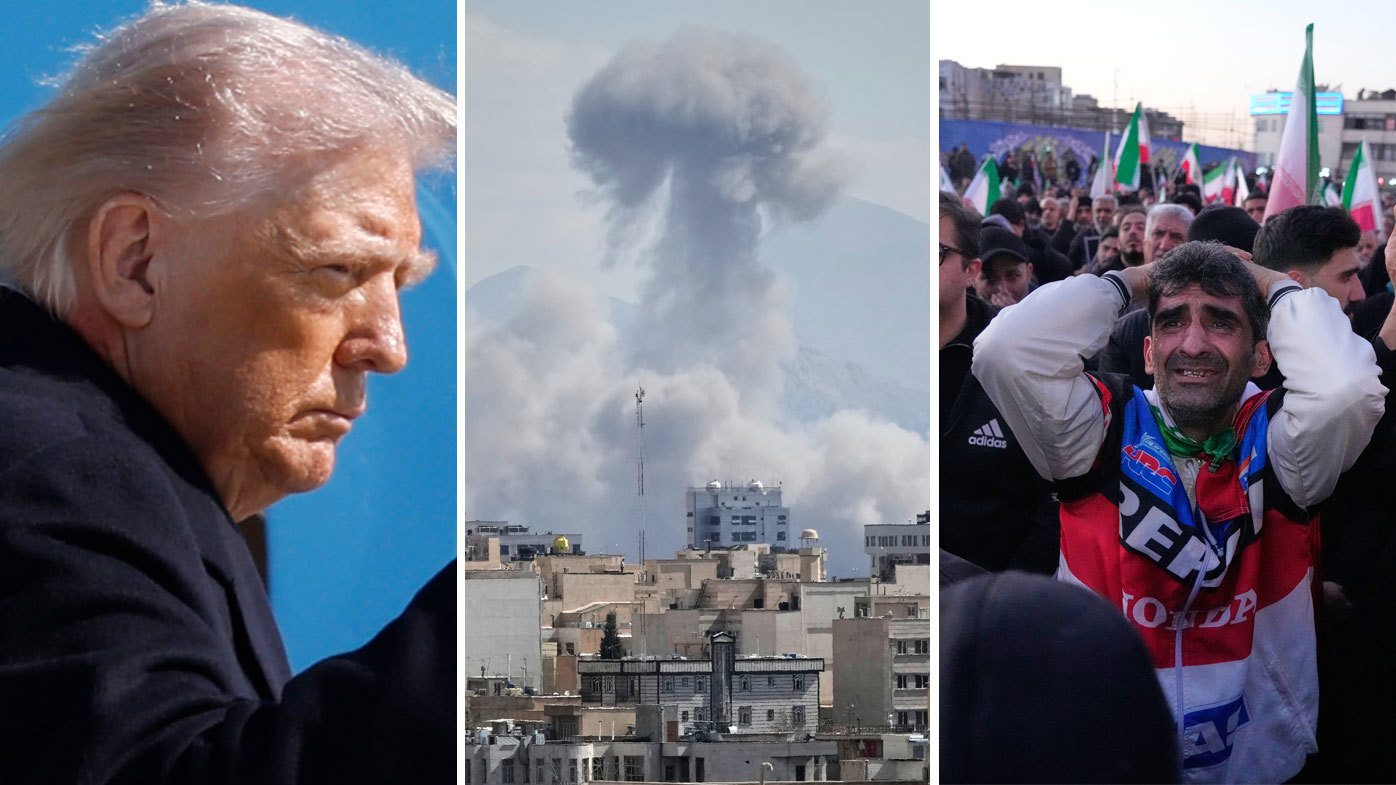
The sirens in Beit Shemesh didn’t just signal another drill or a minor skirmish. This time, the iron dome didn’t catch every threat in the sky. On Sunday afternoon, March 1, 2026, the unthinkable happened in this residential city west of Jerusalem. A 500-kilogram warhead on an Iranian ballistic missile slammed directly into a residential neighborhood, turning a place of prayer and safety into a scene of utter devastation. Nine people are dead. Dozens more are fighting for their lives in hospitals across the region.
If you're looking for the clinical, detached version of this story, you won't find it here. This strike is the deadliest single incident on Israeli soil since the massive joint U.S.-Israeli offensive against Iran began just 48 hours ago. It's a wake-up call that the "head of the snake" strategy comes with a terrifying price tag for civilians on both sides. You might also find this similar story insightful: Strategic Asymmetry and the Kinetic Deconstruction of Iranian Integrated Air Defense.
The Strike That Smashed a Sanctuary
The impact was surgical in its cruelty. The missile struck a building in Beit Shemesh that housed both a synagogue and a public bomb shelter beneath it. In a cruel twist of irony, the very place people ran to for protection became their tomb.
Initial reports from the Magen David Adom (MDA) ambulance service were grim. Eight victims were declared dead right at the scene. A ninth died shortly after. Jerusalem’s Shaare Zedek Medical Center and Hadassah University Hospitals are currently overwhelmed, treating victims that include a four-year-old boy. As extensively documented in detailed coverage by TIME, the results are widespread.
You have to wonder how a modern air defense system—one we’ve been told is nearly infallible—could let a 500-kg warhead through. The IDF is already scrambling for answers, investigating why the interceptors failed and why the shelter, designed to withstand such horrors, buckled under the pressure. Honestly, when a missile of that size hits a building directly, "shelter" becomes a relative term.
Why This Escalation is Different
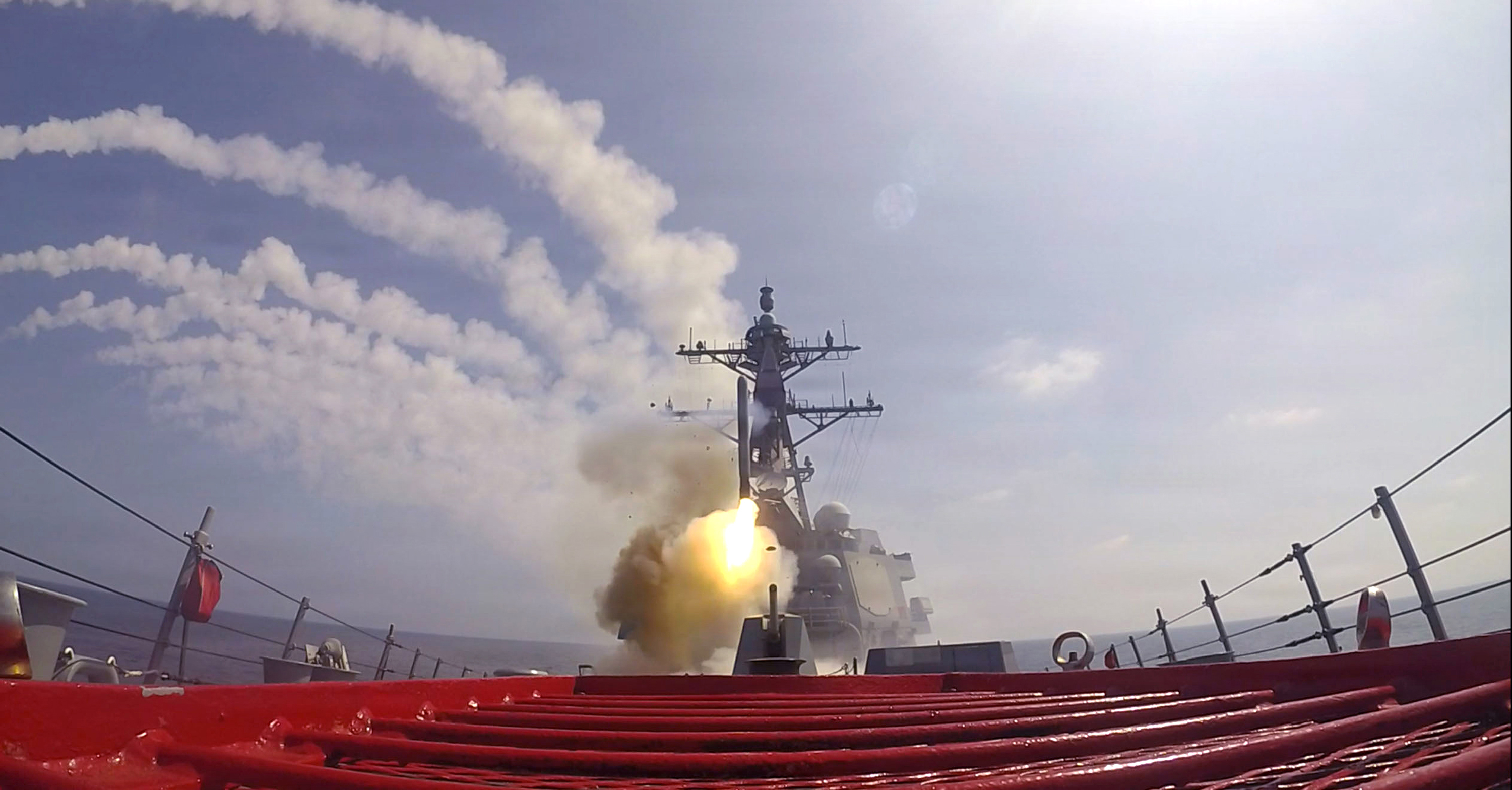
This isn't the shadow war we've watched for years. This is "Operation Epic Fury" (as the U.S. calls it) or "Operation Roaring Lion" (the Israeli moniker). It was triggered by the confirmed killing of Iran's Supreme Leader, Ayatollah Ali Khamenei, in a massive strike on Saturday.
Iran isn't just firing "warning shots" anymore. They're hitting back with everything they have left after their command and control centers were pulverized.
- Beit Shemesh Impact: 9 dead, over 40 injured.
- Tel Aviv: One woman killed by a separate strike; dozens more wounded.
- Regional Toll: Three U.S. service members killed in Kuwait; hundreds of Iranian civilians, including schoolchildren in Minab, reportedly killed in the initial waves.
The IDF claims Iran has roughly 2,500 ballistic missiles in its arsenal. While many have been intercepted, the Beit Shemesh disaster proves that it only takes one failure to cause a catastrophe.
The Political Gamble
Prime Minister Benjamin Netanyahu and President Isaac Herzog have praised the "courage" of the U.S. administration—led by Donald Trump—for finally taking direct action against the Iranian regime. They're calling it the "end of an era." But walk through the debris in Beit Shemesh, and that political rhetoric feels incredibly hollow.
The government has extended the nationwide state of emergency until March 12. They're betting that by decapitating the Iranian leadership, they can end the threat once and for all. It's a high-stakes play that assumes the Iranian military will crumble without a Supreme Leader. So far, the IRGC seems more than capable of firing back from the chaos.
What You Should Do Right Now
If you have family in central Israel or are currently in the region, the "business as usual" mindset is a death trap.
- Check Your Shelter's Integrity: The Beit Shemesh incident proved that not all shelters are created equal. If you're in an older building, identify the most interior "safe room" (Mamad) rather than relying on communal shelters that may have structural flaws.
- Download the Home Front Command App: Don't rely on the neighborhood sirens alone. The app often gives a few extra seconds of warning that can be the difference between life and death.
- Stock Up: This isn't a 48-hour event. With 100,000 reservists called up and the U.S. suggesting the operation could take "four weeks or less," you need enough water, food, and batteries for a long-haul disruption.
The conflict has moved past the point of no return. We're no longer talking about "deterrence." We're talking about a regional war that is rewriting the map in real-time. Stay inside, stay informed, and don't take the silence between sirens for granted.