An 86-year-old French citizen, Josiane Farret, expected a sunset romance when she flew to California to reconnect with a man she had loved since the 1960s. Instead, she was met by federal agents, stripped of her dignity, and locked in a detention cell. This isn't an isolated clerical error. It is the result of a rigid, automated enforcement machine that lacks the hardware for nuance or compassion. Farret’s ordeal exposes a systemic failure in how the United States manages its borders, where the pursuit of bureaucratic perfection often trumps human common sense.
The story began with a reunion decades in the making. Farret traveled to the United States on a tourist visa to see her former flame, a man she had met when he was a young American sailor stationed in France. After her husband passed away, the two reconnected online, weaving together the threads of a life left behind. When she landed at Los Angeles International Airport, she believed she was walking into a new chapter of a long-distance love story. Instead, she was flagged by Customs and Border Protection (CBP) officers who determined her intent was to stay permanently—a violation of her visitor status.
The Mechanical Cruelty of Modern Border Enforcement
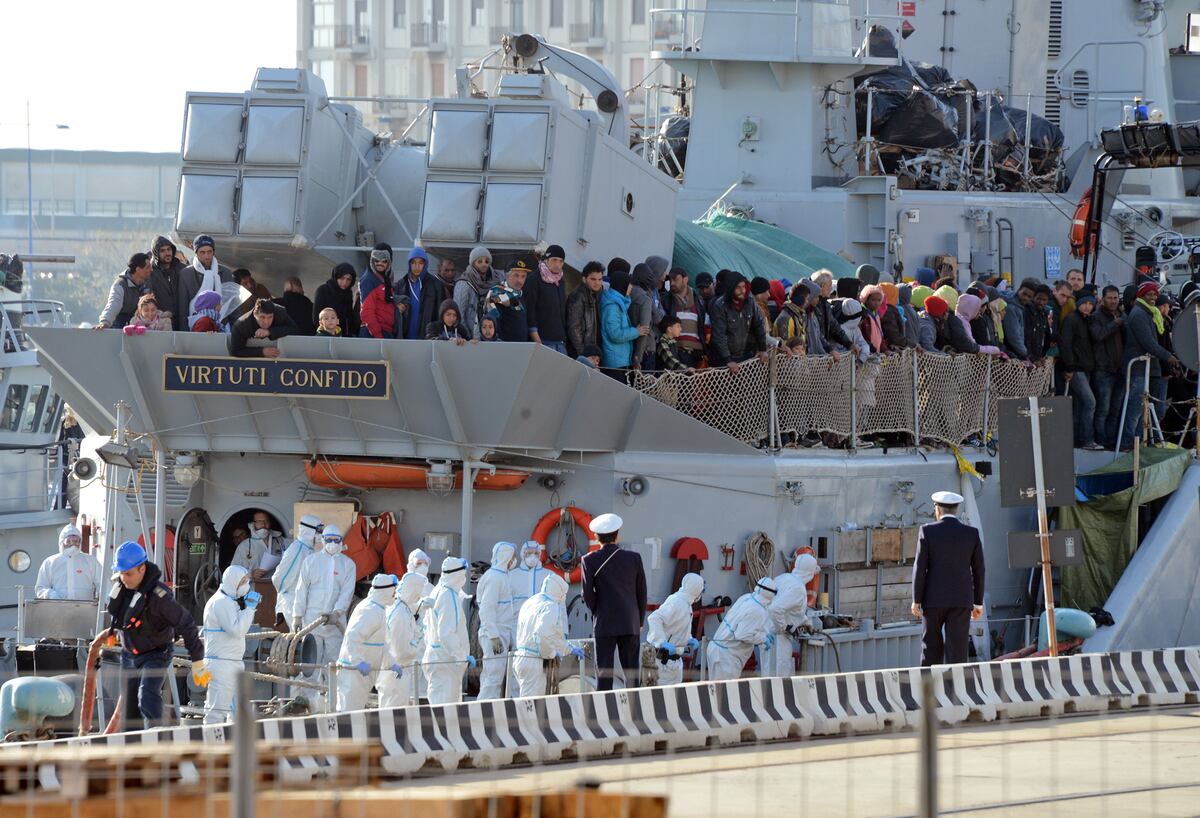
The primary issue here isn't whether Farret broke a rule; it’s the disproportionate response to the infraction. Federal agents quickly shifted from welcoming a visitor to processing a suspect. Despite her age and lack of a criminal record, Farret was detained for more than 48 hours. She was held in what many immigrants call las hieleras—the iceboxes—notorious for their freezing temperatures and lack of basic comforts.
For an octogenarian, two days in a detention facility isn't just an inconvenience. It’s a health crisis. Farret reportedly slept on a concrete floor with nothing but a Mylar blanket.
This level of enforcement suggests that the system no longer distinguishes between a threat to national security and an elderly woman with a suitcase full of memories. The officers on the ground are often trained to view any deviation from visa terms as a hostile act. When a person arrives on a B-1/B-2 visa but expresses a desire to live out their remaining years with a partner, the system triggers an automatic "expedited removal." There is no room for an officer to look at an 86-year-old woman and decide that a stern warning and a flight home the next morning would suffice. The machine demands a cell.
Why the Visa Waiver Program Is a Double Edged Sword
France is part of the Visa Waiver Program (VWP), which allows citizens to travel to the U.S. for 90 days without a formal visa interview at an embassy. This convenience comes with a massive catch. By using the VWP, travelers waive their right to a hearing before an immigration judge.
If a CBP officer decides you have "immigrant intent," you have no recourse. You cannot argue your case. You cannot call a lawyer to stay the deportation. You are at the total mercy of a single individual at a podium.
Farret likely fell into the "intent" trap. If a traveler mentions they are moving in with a partner or brings too many personal belongings, officers interpret this as an attempt to bypass the long, expensive green card process. While the law is clear, the application is often devoid of logic. The cost of detaining an elderly woman, providing medical oversight, and processing her through a federal facility far outweighs the "risk" she posed by wanting to marry a veteran in his twilight years.
The Economic and Moral Cost of Bureaucratic Rigidity
We often talk about border security in terms of "bad actors" and "illegal crossings." However, a significant portion of the enforcement budget is burned on cases like Farret's. Every hour a federal agent spends processing an elderly grandmother is an hour taken away from genuine security threats.
The United States spends more on immigration enforcement than on all other federal law enforcement agencies combined. Yet, we see stories like this because the metrics for "success" in these agencies often revolve around the number of removals and the strict adherence to the letter of the law.
The Medical Risk Factors
When the state detains the elderly, it assumes a massive liability.
- Medication Access: Many seniors rely on strict schedules for blood pressure, heart, or diabetes medication. Detention centers are rarely equipped to manage these prescriptions with the necessary speed.
- Hypothermia and Stress: The physiological toll of a "cold cell" can trigger cardiac events or respiratory distress in the elderly.
- Psychological Trauma: The transition from a civilian environment to a fluorescent-lit cage causes "transfer trauma," a recognized medical condition that can lead to rapid cognitive decline in seniors.
The Myth of the Individual Officer's Discretion
Apologists for the system often claim that officers are just doing their jobs. This is a half-truth that hides a darker reality. While the law mandates that people with "immigrant intent" be denied entry, it does not mandate the use of shackles or overnight detention in sub-zero rooms for low-risk individuals.
The culture within CBP has shifted toward a paramilitary mindset. In this environment, "discretion" is often viewed as a weakness. An officer who lets an 86-year-old woman stay in a hotel at her own expense while waiting for a return flight might face internal scrutiny for not following "standard operating procedures."
This creates a race to the bottom where the most heartless interpretation of the rulebook becomes the safest path for the employee. Farret was eventually forced back to France, her dream of a final romance shattered by a system that couldn't see the woman for the paperwork.
America's Global Image and the Aging Traveler
This incident isn't just a domestic policy failure; it is a diplomatic embarrassment. When stories of an 86-year-old French woman being "caged" hit the European press, it damages the American brand. It paints the U.S. as a paranoid, aging superpower that has lost its grip on basic human empathy.
The irony is that the U.S. relies heavily on international tourism, especially from high-spending European seniors. If the message to these travelers is that a misunderstanding of visa intent leads to a concrete floor and a foil blanket, the economic fallout will eventually outpace the "security" benefits of these harsh tactics.
The fix isn't complicated. It requires a return to "parole" power—allowing officers to release low-risk individuals into the community or a supervised hotel environment while their departure is arranged. It requires a mandatory age-based assessment that prevents the detention of anyone over 75 unless they pose a documented violent threat.
The current system isn't protecting the border. It is simply processing humans as if they were defective parts on a conveyor belt. Josiane Farret was not a threat to the American way of life. The way she was treated, however, is a threat to the American claim of being a nation of laws and a beacon of justice.
Stop pretending that every grandmother with a suitcase is an invader. The real crisis isn't at the gates; it is in the hearts of those we have hired to guard them.