Los Angeles-based premium activewear heavyweight Alo Yoga has officially launched its flagship e-commerce storefront on Alibaba’s Tmall, serving notice to an entrenched competitor. By establishing an exclusive digital beachhead on Tmall, the brand aims to capture China's booming premium athleisure market, valued at nearly 50 billion yuan. Yet this move represents far more than a standard international expansion. It is a high-stakes attempt to reclaim revenue from grey-market resellers, dismantle counterfeit operations, and challenge Lululemon on its most lucrative foreign battleground.
For years, acquiring an Alo Yoga piece in Shanghai or Beijing meant navigating a labyrinth of personal shoppers, unauthorized Taobao merchants, and inflated cross-border shipping fees. The brand arrived in the Chinese consciousness long before its digital doors officially opened. Influencers on Xiaohongshu popularized the Los Angeles aesthetic through organic outfit posts, inadvertently creating a multi-million-dollar parallel economy. Counterfeiters moved swiftly into the vacuum, filling online carts with imitation leggings while the corporate entity sat on the sidelines.
Closing that arbitrage window requires absolute operational precision. When the Tmall flagship store opens its digital doors, pricing parity becomes the primary weapon against the grey market. Take the brand's popular footwear line, such as the SUNSET training shoes. Listed on Tmall at roughly 1,750 RMB, the pricing closely mirrors what a consumer would spend importing the same item directly from North America after accounting for international freight and import tariffs. By eliminating the heavy markups previously demanded by cross-border scalpers, the brand aims to channel organic social media traffic directly toward authenticated, corporate-controlled inventory.
The Cultural Divide in Premium Fitness
Competing against Lululemon in Greater China is a masterclass in corporate endurance. Lululemon did not conquer the mainland simply by selling overpriced stretch fabric; it built an entire community infrastructure through local ambassadors, sweat classes, and deep cultural integration. Communities formed around weekend yoga sessions in upscale commercial districts, embedding the maple-leaf logo into the identity of China's urban middle class.
Alo approaches the same demographic through a fundamentally different psychological lens. Rather than anchoring its identity purely in athletic performance, the brand operates as an aspirational fashion label. The marketing playbook relies heavily on paparazzi-style snapshots of global celebrities stepping out of pilates studios in Beverly Hills. It is an aesthetic of effortless leisure rather than sweat-soaked exertion.
This positioning creates a distinct bifurcation among consumers. The style-conscious urbanite treats the brand as a status symbol for coffee runs and brunch dates rather than heavy gym training. Market research indicates a heavy overlap; a significant majority of shoppers who purchase from the Los Angeles label also buy Lululemon products. However, converting a consumer who appreciates an imported aesthetic into a loyal, recurring buyer requires physical retail experiences that digital storefronts alone cannot provide.
The Omnichannel Trap
An exclusive digital partnership with Tmall offers immediate scale, but it introduces structural vulnerabilities. Relying on a single e-commerce giant places immense pressure on logistics, digital ad spend, and platform commission structures. In China's hyper-competitive retail ecosystem, digital visibility is rented, not owned. Livestreaming culture demands constant discounting and promotional marathons like Singles' Day, events that can dilute the exclusive, premium aura the brand spent two decades cultivating in North America.
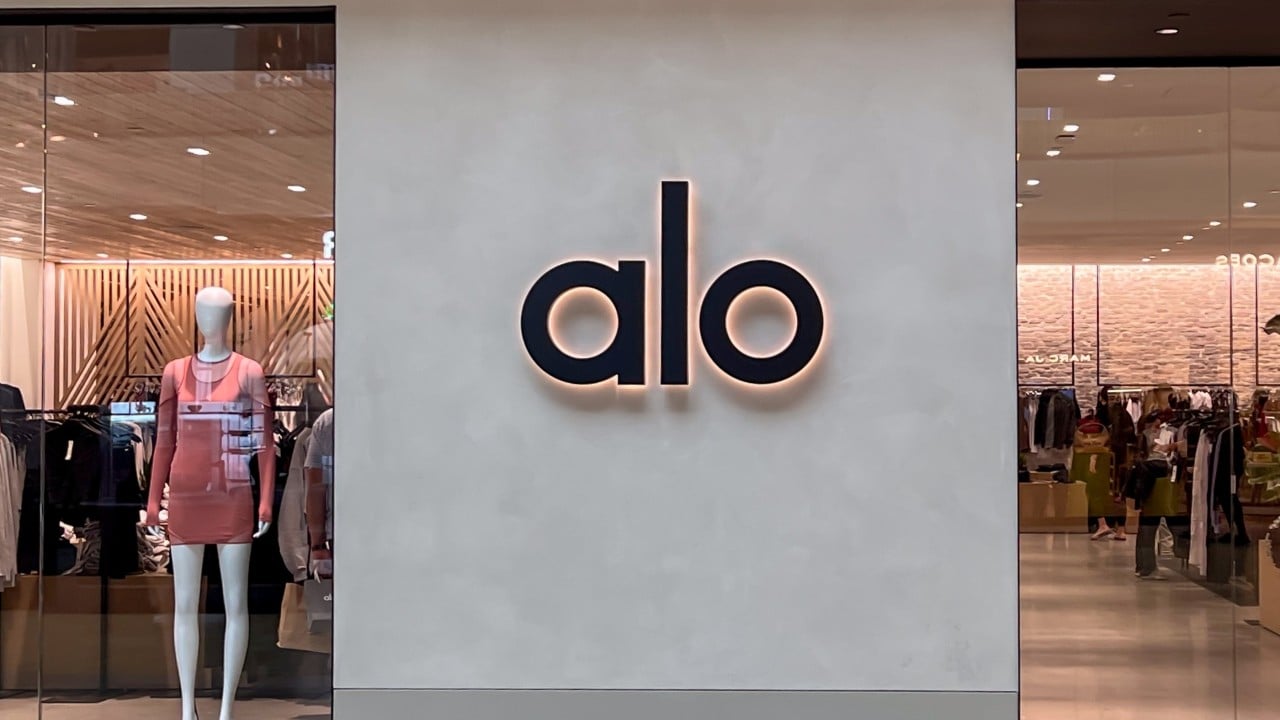
Physical retail remains the ultimate proving ground. The company's initial physical foothold at Hong Kong’s K11 Musea signals an intent to secure high-end real estate where tactile product interaction justifies luxury-tier pricing. Replicating that brick-and-mortar strategy across mainland megacities requires navigating complex commercial lease negotiations and competing directly with domestic sportswear giants that already dominate prime shopping mall corridors.
Consider a hypothetical retail expansion scenario. Opening a flagship boutique in an elite Shanghai shopping complex demands millions in upfront capital expenditure, paired with stiff monthly revenue share agreements. If foot traffic fails to convert into high-basket-size transactions because local consumers prefer the digital convenience of Tmall, the physical footprint transforms from a brand halo into an expensive anchor.
The Margin Pressure Cooker
Operational overhead in the mainland market is punishing. Supply chains must synchronize seamlessly with global manufacturing hubs while adapting to rapid domestic fulfillment expectations. Consumers accustomed to next-day or same-day delivery via local logistics networks have little patience for delayed international transit times.
Furthermore, macroeconomic headwinds and shifting discretionary spending habits across urban centers mean that premium discretionary goods face intense scrutiny. Shoppers are increasingly discerning, demanding uncompromising fabric performance alongside aesthetic appeal. If structural quality issues emerge, or if local competitors introduce comparable silhouettes at half the price point, consumer loyalty evaporates overnight.
The execution window is narrow. The grey market has been suppressed, but unauthorized sellers retain agile supply chains that can pivot instantly if official inventory falters. Success depends entirely on maintaining tight inventory control, protecting brand equity from over-promotion, and transitioning digital curiosity into genuine physical community engagement before the initial launch momentum fades into background noise.