Sri Lanka is currently trapped in a vice grip where natural disaster meets global warfare. While the world watches the Middle East with a focus on oil prices and military strategy, the ground reality in South Asia is far more visceral. Families who just lost their homes to record-breaking monsoon floods are now finding that the tea they pluck and the fuel they burn are tethered to the stability of Tehran. This is not a distant conflict for the island nation; it is an immediate, suffocating economic reality.
The "triple blow" often cited by observers—floods, debt, and regional war—understates the systemic fragility here. Sri Lanka was already a patient in the intensive care unit of global economics. The recent escalation between Israel and Iran has effectively pulled the plug on the machinery required for its recovery. When Iranian airspaces close or shipping lanes in the Red Sea become shooting galleries, the cost of living in Colombo doesn't just tick upward. It explodes.
The Tea Trade and the Sanctions Trap
Tea is the lifeblood of the Sri Lankan export economy. For decades, Iran has been one of the primary buyers of Ceylon tea, often through complex barter agreements designed to bypass traditional banking sanctions. Under the "Tea for Oil" deal, Sri Lanka was able to settle outstanding debts for Iranian oil by shipping millions of kilograms of tea. It was a survival mechanism born of necessity.
That mechanism is now failing.
When Iran enters a state of high military alert, the logistics of these barter deals collapse. Shipping insurance premiums in the region have skyrocketed. Containers of tea are sitting in warehouses because the risk of moving them through contested waters is too high for many commercial carriers. For the small-scale farmer in the central highlands, this isn't a matter of macroeconomics. It is the reason they cannot afford fertilizer for the next season. The collapse of the Iranian market means a surplus at home, which drives prices down locally while the cost of imported goods continues to climb.
Infrastructure Washed Away by Debt and Rain
The timing of this geopolitical friction could not be worse. Sri Lanka has just endured some of the most devastating floods in recent memory, affecting over half a million people across the island. In a healthy economy, a government responds to such a crisis with massive infrastructure spending and direct relief. In Sri Lanka, the coffers are dry.
The country is currently navigating a precarious debt restructuring process with the IMF. Every rupee spent on flood relief is a rupee that isn't going toward debt servicing, and every dollar lost in export revenue from the Iranian conflict makes the IMF’s targets harder to hit. The bridges that collapsed in the floods are not just physical structures; they are symbols of a state that can no longer afford to maintain the basics of civilization.
We see a pattern where the climate crisis acts as a force multiplier for political instability. The floods destroyed the crops. The war destroyed the market for those crops. The debt ensures that no one is coming to help replant them.
The Fuel Factor and the Shipping Crisis
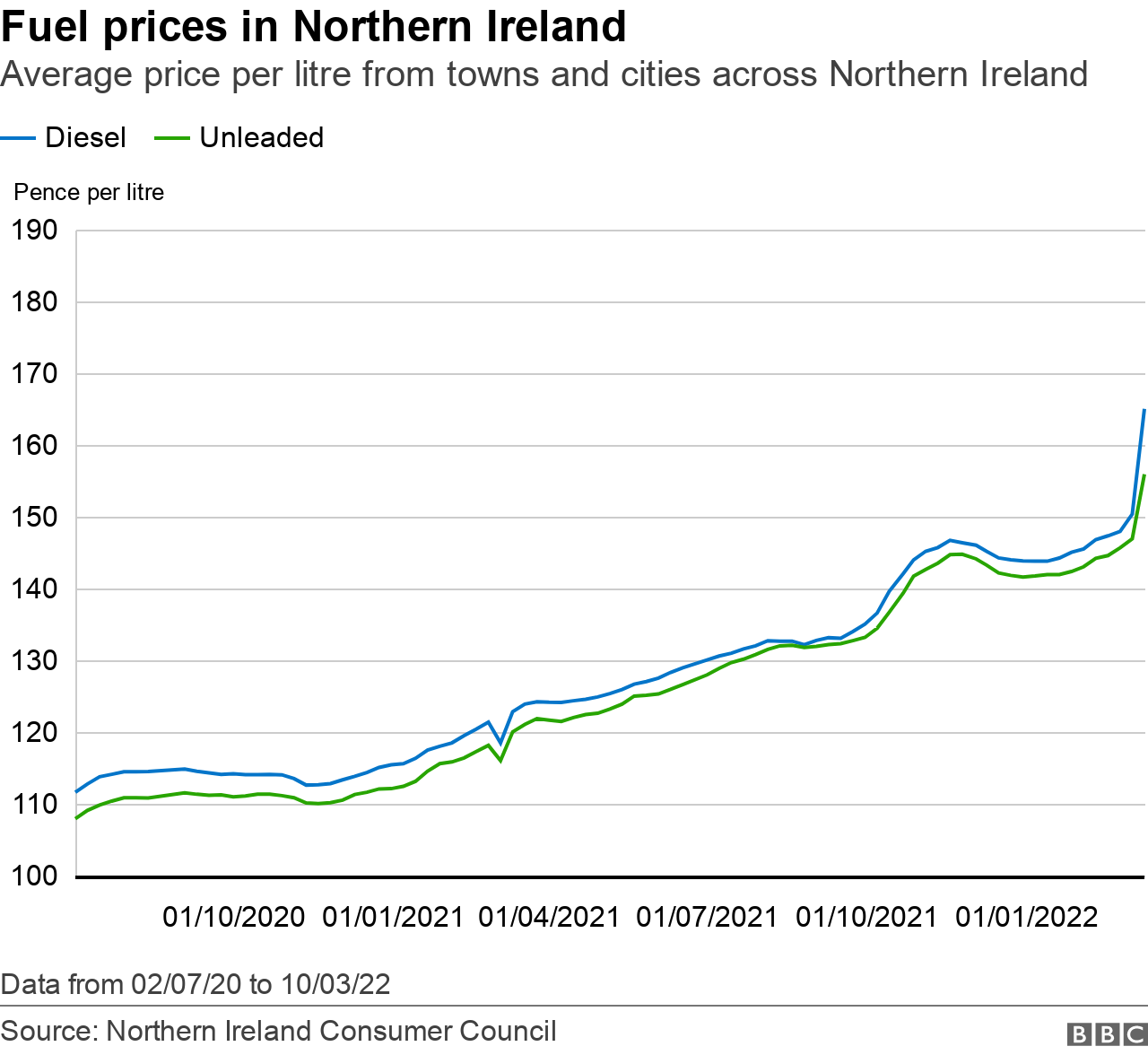
Sri Lanka does not have its own oil. It relies entirely on imports, and the Middle East is its primary source. Any volatility in the Strait of Hormuz sends immediate shockwaves to the petrol pumps in Galle and Jaffna. While the government has attempted to stabilize fuel prices through a quota system, that system assumes a steady supply.
The Red Sea crisis, compounded by Iran’s involvement, has forced shipping lines to take the long way around the Cape of Good Hope. This adds weeks to delivery times and adds thousands of dollars in freight costs to every shipment. For an island nation that imports everything from wheat to pharmaceuticals, these "hidden" costs are a tax on the very act of existing.
Retailers are already passing these costs to consumers. A mother in a flood-stricken village now pays double for a packet of milk powder compared to last year. Half of that increase is due to local inflation; the other half is the "war premium" paid to shipping companies to navigate around a conflict five thousand kilometers away.
Why Domestic Policy Cannot Solve a Global Problem
There is a common argument that Sri Lanka’s woes are entirely self-inflicted—a result of the 2022 economic mismanagement and the "organic farming" disaster. While those were the catalysts, the current stagnation is a product of external factors that the administration in Colombo is powerless to change.
You can fix a currency through strict monetary policy. You cannot fix a closed shipping lane through a central bank decree.
The international community often views Sri Lanka through a lens of charity or debt repayment. What is overlooked is the country’s role as a canary in the coal mine for middle-income nations. It is a country that did everything "right" regarding global integration, only to find that integration means being the first to bleed when the major powers clash.
The Illusion of Recovery
The stock market in Colombo might show occasional green shoots, and tourism numbers have seen a slight uptick, but this is a thin veneer. Behind the luxury hotels of the south coast lies a hinterland where the middle class has effectively vanished. People who once worked in offices are now laboring in fields, trying to grow enough food to survive the next price hike.
The floods did more than just destroy homes; they stripped away the remaining dignity of a population that has been in "crisis mode" for four years straight. When you lose your home to water and your livelihood to a missile strike in another time zone, the psychological toll is as heavy as the financial one.
The Failure of Regional Alliances
Where is the South Asian support? India has provided significant credit lines, but that aid comes with its own set of geopolitical strings. China, a major creditor, remains a wild card in the debt restructuring negotiations. Sri Lanka is being pulled in multiple directions by powers that view the island as a strategic outpost rather than a sovereign nation in pain.
The Iranian influence in the region is often viewed by the West as purely a security threat. For Sri Lanka, Iran was a reliable trading partner that didn't demand the same level of Western-aligned austerity. By squeezing Iran, the global financial system is inadvertently suffocating the very nations it claims to be helping through "development" programs.
A Breakdown of Essential Services
The impact on healthcare is perhaps the most damning evidence of this crisis. Sri Lanka used to boast one of the best public health systems in Asia. Today, surgeons are asking patients to bring their own sutures and gloves. The foreign exchange needed to import specialized medicines is being diverted to pay for fuel and food.
The floods brought waterborne diseases. The war ensured the medicine to treat them is stuck in a container or priced out of reach. It is a perfect, deadly loop.
The Myth of Resilience
We often hear politicians talk about the "resilience" of the Sri Lankan people. This is a convenient fiction. Resilience implies a return to form, but there is no "normal" to return to. The current generation is experiencing a permanent downgrade in their quality of life.
Education is being disrupted because families cannot afford transportation to schools. Nutrition is declining because protein has become a luxury. This is not a temporary setback; it is the systematic dismantling of a nation's future potential.
If the conflict in the Middle East escalates into a full-scale regional war, the "triple blow" will turn into a knockout punch. Sri Lanka does not have the buffers left to absorb another shock. The global community's indifference to how these distant wars affect small, vulnerable economies is not just a moral failing; it is a strategic one. A collapsed Sri Lanka creates a power vacuum in the Indian Ocean that will eventually cost the West far more to manage than it would cost to provide genuine, unconditional debt relief now.
The rain has stopped in many parts of the island, but the water is still rising. It is rising in the form of debt, in the form of fuel prices, and in the form of a geopolitical fire that Sri Lanka did not start but is being forced to help extinguish with its own blood.
The global economy is a single, interconnected nervous system. When the Middle East is struck, Sri Lanka feels the pain instantly. Until the world recognizes that the stability of a tea picker in Nuwara Eliya is linked to the stability of the Persian Gulf, these cycles of ruin will only accelerate.
The next shipment of tea is waiting at the docks. The question is whether there will be a country left to receive the payment if it ever arrives.