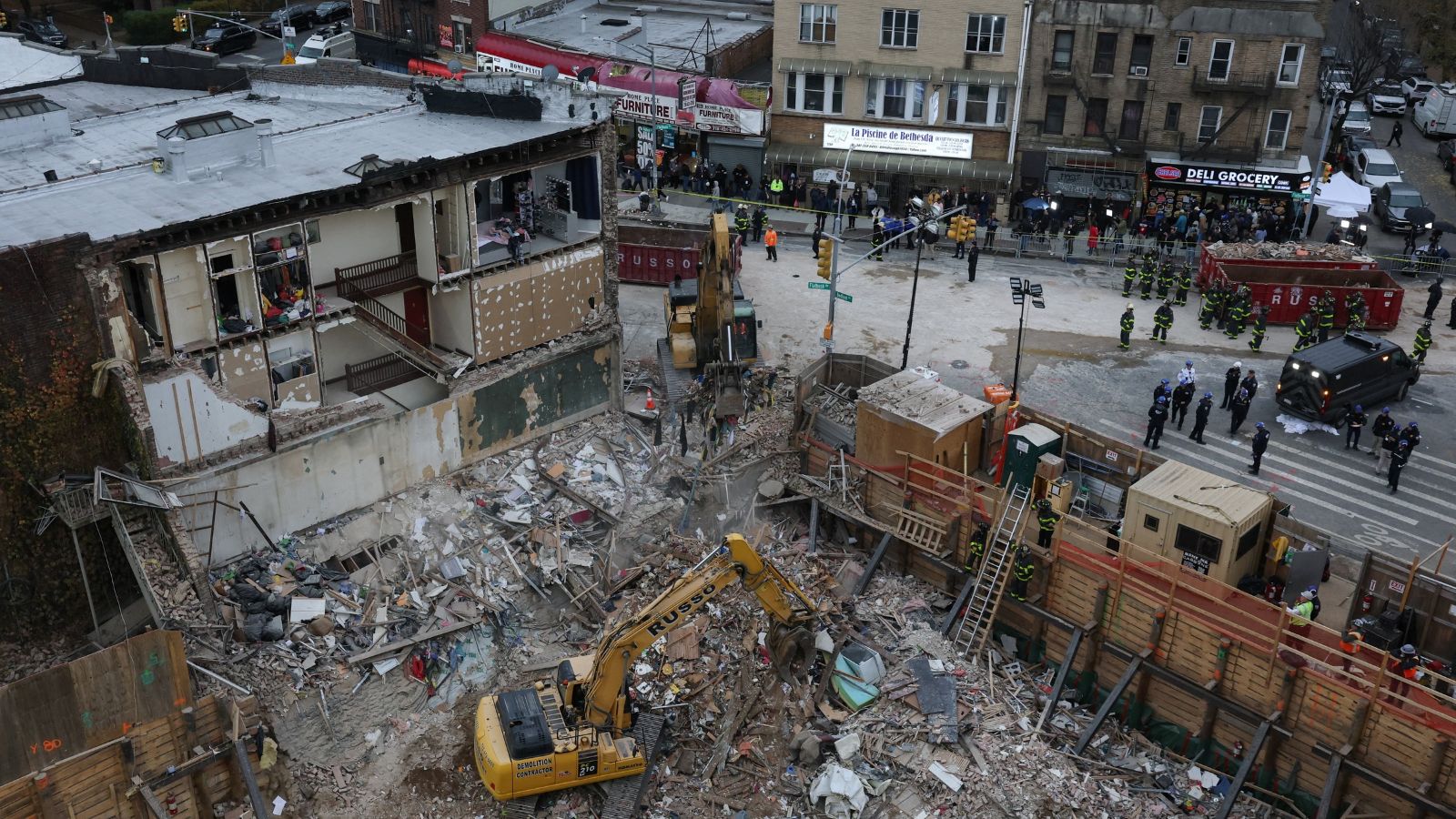
Eight people are dead in Brooklyn after a building collapse tore through a residential block, leaving emergency crews digging through unstable rubble and families waiting for answers that shouldn't take a tragedy to produce.
Mayor Zohran Mamdani has already expanded the city's investigation into the site, widening the scope beyond immediate structural failure to examine permit histories, contractor compliance, and agency inspection logs. That expansion matters. When a building comes down in New York City, the physical failure is almost always the final link in a long chain of ignored warnings, rubber-stamped paperwork, and stretched enforcement budgets.
If you've ever walked past a sidewalk shed in Brooklyn that's been up for four years without a single worker in sight, you already know how broken the relationship between paper compliance and real-world structural safety can get.
Why NYC Building Collapses Keep Happening Despite Strict Codes
New York City has some of the thickest building codes in the country. On paper, every structural alteration, load-bearing wall removal, and facade repair requires licensed engineers, stamped drawings, and multiple sign-offs from the Department of Buildings.
In practice, the system relies heavily on self-certification.
Under professional certification programs, registered architects and professional engineers can attest that their plans comply with city codes without waiting for a Department of Buildings examiner to review every line item before work begins. The city audits a fraction of these filings. Most of the time, honest professionals use the system to keep projects moving without six-month bureaucratic delays.
Bad actors exploit that exact gap.
When a property owner wants to squeeze extra units into an aging Brooklyn brownstone or cut corners on foundation underpinning next to an active excavation, self-certification lets work start fast. By the time an inspector shows up—usually because a neighbor called 311 about cracks in their plaster or vibrations shaking their floorboards—the structural damage is often already hidden behind fresh drywall.
The Hidden Vulnerability of Aging Brooklyn Masonry
Brooklyn's building stock isn't uniform, and that creates serious engineering headaches during renovations. Thousands of row houses, pre-war walk-ups, and converted industrial structures rely on unreinforced masonry and shared party walls.
Unlike modern steel-frame towers where columns carry weight independently, older brick and brownstone structures distribute loads across exterior walls and neighboring buildings. Remove a section of a load-bearing wall on the ground floor without proper temporary shoring, and the upper stories don't just sag. They shear.
I've seen renovation sites where contractors treated a 110-year-old brick party wall like modern cinderblock, carving channels for plumbing risers or excavating a basement cellar deeper than the original footing. Once lateral support disappears, gravity doesn't wait for a stop-work order.
What Mayor Mamdani's Expanded Probe Actually Targets
Most municipal investigations after a fatal collapse start narrow. Investigators look at the immediate cause—a failed beam, an overloaded floor slab, a compromised foundation—and assign blame to the contractor holding the active permit.
Expanding the probe changes the trajectory entirely.
By widening the investigation, Mayor Mamdani is forcing city agencies to look backward at the administrative paper trail leading up to the disaster. That means pulling every prior complaint, every dismissed violation, and every contractor linked to the property's ownership LLC.
In New York real estate, shell companies routinely shield repeat offenders. A contractor racks up safety violations under one corporate name, dissolves it, and pulls permits the next month under a brand-new entity. An expanded municipal probe typically cross-references principals, engineers of record, and prior enforcement histories across multiple boroughs rather than treating the collapsed site as an isolated accident.
Key Areas Investigators Scrutinize in Major Structural Failures
- Prior 311 Complaints and Inspection Logs: Did tenants or neighbors report shaking, cracked walls, or unpermitted work weeks before the collapse? If inspectors visited the site, did they gain access or simply mark the complaint resolved after knocking on a locked door?
- Excavation and Underpinning Records: Adjacent construction is one of the leading triggers of urban building collapses. Investigators check whether soil stability tests were actually performed or copied from neighboring lots.
- Stop-Work Order Enforcement: Issuing a stop-work order means nothing if crews keep working nights and weekends behind plywood fencing. Investigators audit utility usage, delivery logs, and security camera footage to see if work continued illegally.
- Engineer and Architect Sign-Offs: Did the licensed professional who stamped the plans ever visit the site, or did they sell their seal to an unlicensed builder?
The Gap Between Stop-Work Orders and Actual Safety
Here's something most people outside construction don't realize: a Department of Buildings violation does not physically stop a hammer from swinging.
When an inspector finds unsafe conditions, they issue a violation and sometimes a partial or full stop-work order. Fines get assessed. Hearings get scheduled months out at the Office of Administrative Trials and Hearings.
For well-capitalized developers or reckless contractors cutting corners on tight timelines, a $5,000 or $10,000 fine isn't a deterrent. It's a line item in the budget.
Even when a full stop-work order is posted on the front door, enforcement relies on follow-up sweeps or neighbors calling 311 again to report active construction. That reactive loop leaves massive blind spots. During the days or weeks between a complaint and a follow-up inspection, an unbraced trench or compromised column remains a live hazard to everyone living inside or walking past the property line.
Tenant Warnings Often Go Unheard Until It's Too Late
In almost every major residential collapse in New York City—from the East Village gas explosion to the Bronx apartment corner failure—residents noticed warning signs days or weeks ahead of time.
Doors suddenly stop latching because frames twist out of square. Diagonal cracks spiderweb outward from window corners. Floors develop a noticeable slope, or plaster dust sifts down from ceiling joints every time heavy trucks pass outside.
Tenants report these symptoms to landlords, who frequently dismiss them as normal "settling" in an old New York building. When tenants call 311, inspectors sometimes lack the legal authority or equipment to tear open finished walls to inspect structural framing, leaving them to evaluate safety based solely on surface appearances.
How New Yorkers Can Check Building Safety Records Right Now
You don't have to wait for city investigators to finish their report to check whether your own building—or the construction site next door—has open structural red flags. New York City makes almost all property enforcement data public, though the interfaces aren't always intuitive.
- Search the NYC DOB NOW Public Portal: Look up your address to view active permits, approved architectural plans, and the names of the general contractors and engineers of record. If major interior demolition is happening and no active alteration permit appears on the portal, call 311 immediately.
- Check Open Violations in BIS (Buildings Information System): The older DOB BIS database still houses historical complaints and hazardous Class 1 violations. Pay close attention to codes related to structural stability, compromised load-bearing walls, or failure to maintain exterior facades under Local Law 11.
- Document Structural Changes Immediately: If you live next to an active excavation or gut renovation, take dated photos and videos of your walls, ceilings, and foundation today. Should cracks appear later, timestamped proof establishes that the damage is active rather than pre-existing.
- Escalate Unanswered 311 Complaints: When filing a structural complaint through 311, request the exact service request number and share it with your local City Council member's constituent services office. Council offices can flag repeat structural complaints directly to Department of Buildings borough commissioners for priority inspection.
Eight lives lost in Brooklyn demands more than press conferences and condolences. If Mayor Mamdani's expanded probe exposes where oversight failed—and forces real accountability on owners who treat structural codes as optional—it will be because public pressure refused to let the story fade once the rubble was cleared. Check your building's DOB record today, report unpermitted structural work the second you see it, and don't let a landlord brush off sudden cracks or shifting doors as normal settling.