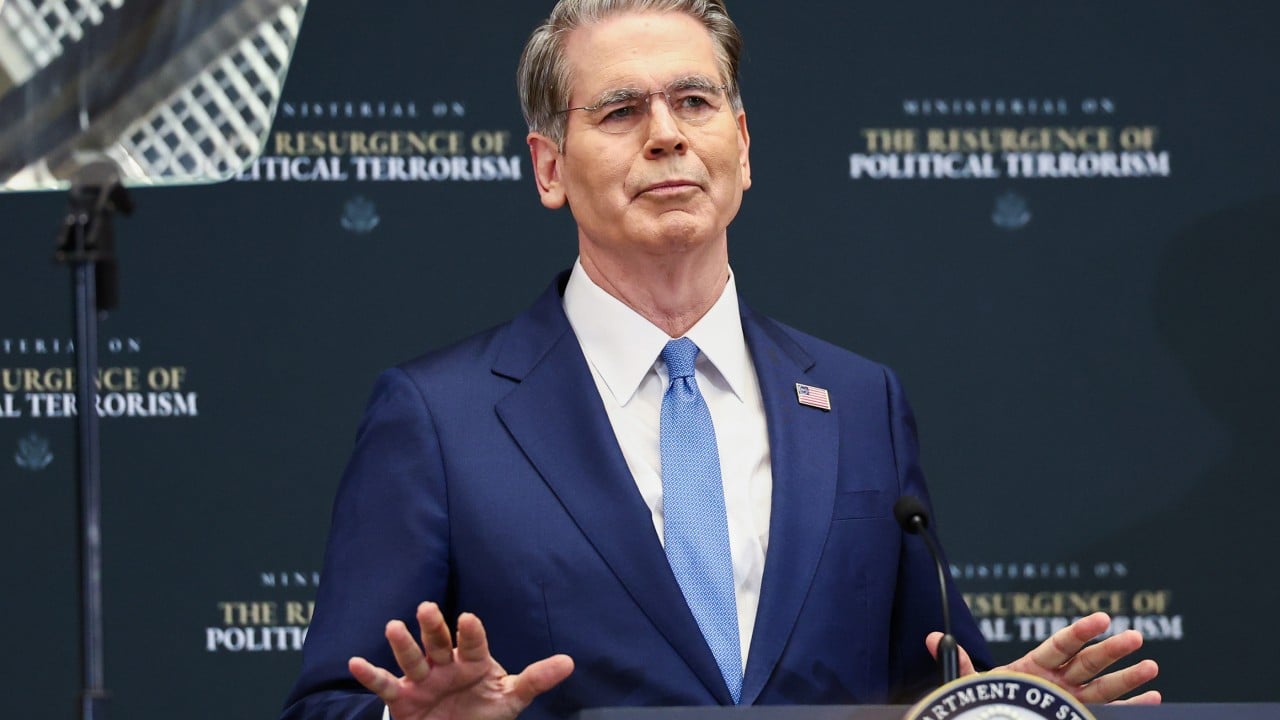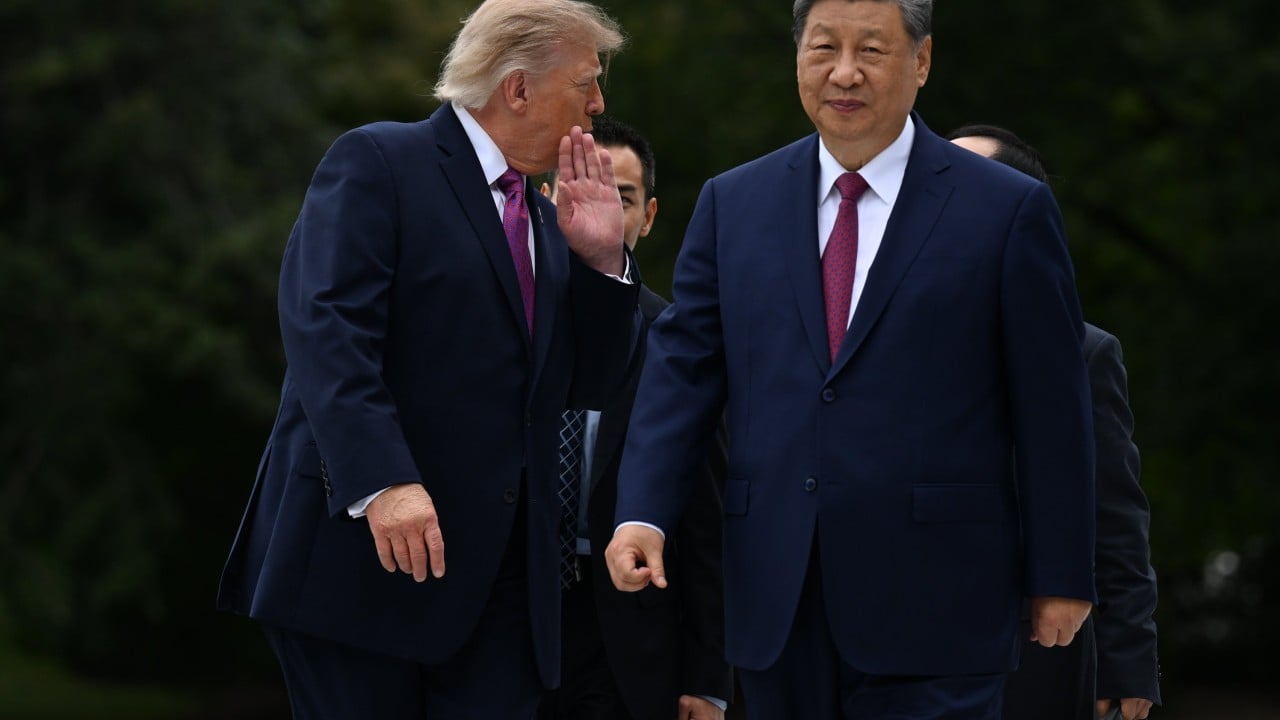
Behind closed doors in Washington and during tense bilateral exchanges across the Pacific, Donald Trump pressed Chinese President Xi Jinping to lift punitive export restrictions targeting Japan and to engage directly with Japanese Prime Minister Sanae Takaichi. Yet this diplomatic intervention missed the structural gravity of the conflict. Beijing has weaponized rare-earth mineral chokepoints not merely as a temporary diplomatic grievance, but as a calculated economic blockade meant to punish Tokyo for its shifting security posture. When Trump framed the curbs as a threat to American supply chains, he treated a deep-seated geopolitical strategy as a routine trade dispute.
The friction did not materialize from a vacuum. Relations between Beijing and Tokyo deteriorated sharply following statements made by Prime Minister Takaichi regarding regional defense contingencies involving Taiwan. For Beijing, any suggestion of active security alignment with Taipei constitutes an intolerable provocation. The Chinese leadership responded by cutting off critical material shipments essential for manufacturing everything from electric vehicles to advanced telecommunications hardware. Because modern electronic supply chains rely heavily on specialized heavy rare earths processed overwhelmingly inside Chinese borders, Tokyo found its industrial base staring down an acute vulnerability. For a deeper dive into similar topics, we recommend: this related article.
When Trump urged Xi to mend ties and drop the trade barricades, Beijing's rejection was predictable and cold. Xi dismissed the pressure by compartmentalizing bilateral relations, explicitly warning against meddling in what Beijing views as its sovereign dispute with Japan while pointing toward what it characterizes as resurgent Japanese militarism. This rhetorical pivot allows Beijing to freeze out Tokyo diplomatically while insulating its broader commercial engagements with Washington from collateral damage.
For Japanese industry, this standoff serves as a brutal wake-up call regarding decades of complacent supply-chain outsourcing. Alternative extraction and processing projects take years of capital investment and environmental permitting to mature, meaning Tokyo cannot simply source its critical minerals elsewhere overnight. Every month that Beijing maintains its informal export freeze, Japanese automotive and tech giants bleed proprietary advantage, forced to scramble for recycling initiatives and secondary stockpiles that offer only temporary relief. For further details on this development, extensive analysis can also be found at Forbes.
Washington's attempt to broker a truce reveals the limits of transactional diplomacy when faced with core territorial and security anxieties. Beijing perceives the Takaichi administration's security posture as an existential threat across its maritime periphery, making minor trade concessions a non-starter unless Tokyo alters its fundamental strategic alignment. Until alternative global processing networks for critical minerals reach industrial scale, industrial economies remain dangerously exposed to geopolitical coercion disguised as customs enforcement.