Britain’s mobile multimillionaires are packing their bags again. Or at least, their wealth managers want you to think they are.
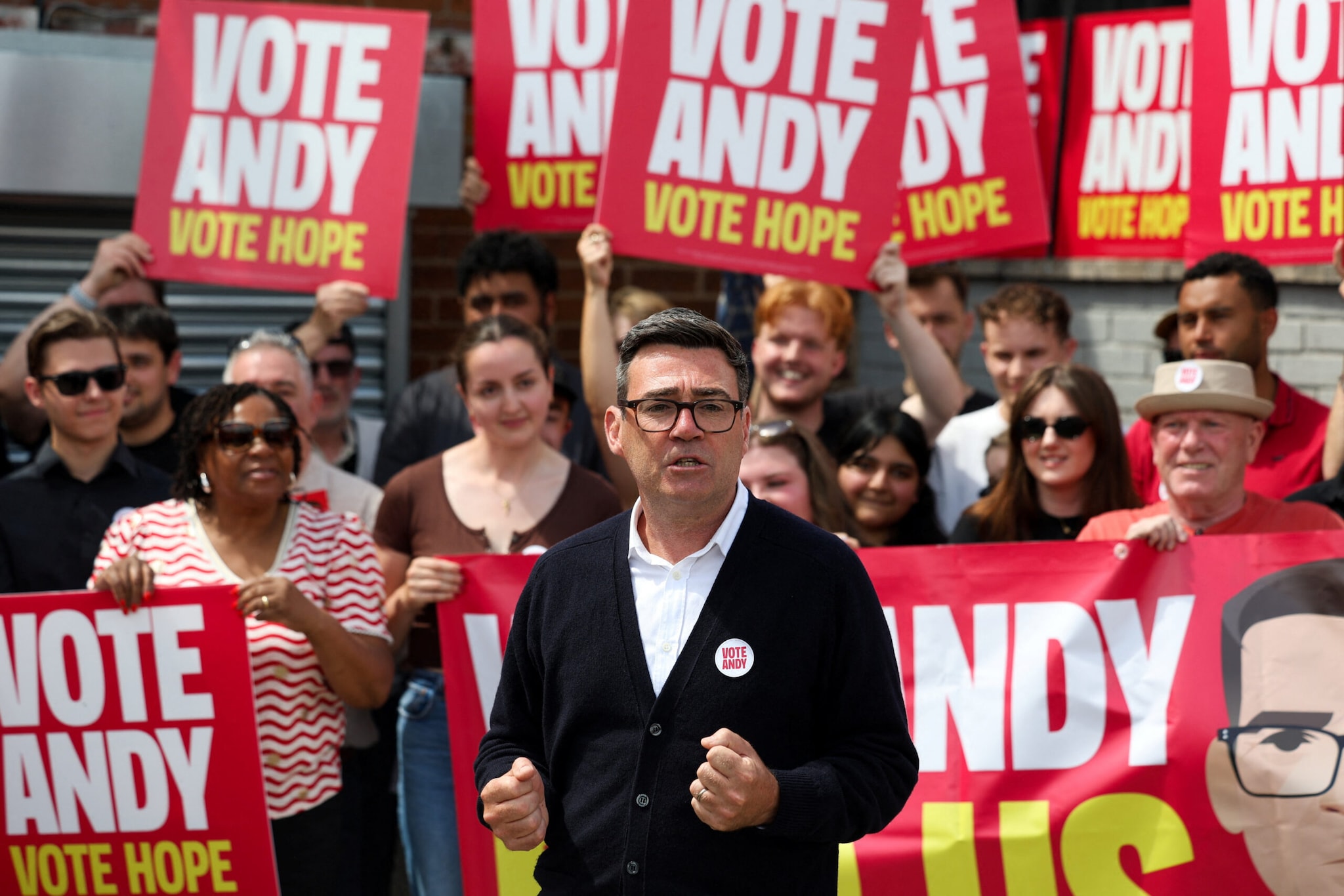
With Sir Keir Starmer’s grip on Downing Street loosening after devastating local election losses, Andy Burnham’s victory in the June 2026 Makerfield by-election has formalized a massive power shift in Labour politics. Burnham is now the frontrunner to take over as Prime Minister by autumn. For the UK's high-net-worth crowd, this isn't just another political soap opera. It’s an expensive threat to their balance sheets.
The financial press is screaming about a "tax war on billionaires." Advisory firms report a sudden surge in client panic over capital gains and property levies. But behind the frantic talk of escaping to Dubai or Monaco lies a massive miscalculation. The wealthy are terrified of a traditional asset tax that Burnham probably won't even pass, while completely ignoring the structural property and capital shifts that he actually will.
The Myth of the 2% Asset Raid
The current anxiety stems from academics like Gabriel Zucman, whose recent book We Need to Tax Billionaires advocates for a flat 2% annual tax on net assets above $100 million with zero exemptions. The math behind the push is clear. In 1989, the top 200 families on the Sunday Times Rich List held wealth equivalent to 5% of UK GDP. Today, that figure has skyrocketed to 22% of a £3 trillion economy.
While left-wing pressure groups and Labour rival Wes Streeting have flirted with the phrase "a wealth tax that works," Burnham has been deliberately evasive. He explicitly stated he wouldn't go "straight to" a direct wealth tax, calling it a low priority.
Taxing raw net worth is notoriously difficult to implement. European countries that tried it in the 1990s largely abandoned it because valuing private business shares, art collections, and non-liquid assets every twelve months creates an administrative nightmare. Burnham knows this. His strategy isn't a blunt instrument asset grab; it's a structural rewrite of how property and accumulated capital are treated.
Where the Blow Will Actually Land
If you are sitting on substantial UK assets, stop worrying about a hypothetical net-worth spreadsheet audit. Start looking at land and inherited estates. That’s where the policy shift is actually flying under the radar.
The Land Value Tax (LVT)
Burnham has a long-documented fascination with a Land Value Tax. This replaces standard commercial business rates and council taxes with an annual levy based on the rental value of the underlying land, regardless of what is built on it.
It is an incredibly aggressive tool because land cannot be moved to a Caribbean tax haven. If you own prime real estate in Mayfair or speculative commercial plots left empty in Manchester, your overhead is about to spike. Under the current council tax system, a modest family home in Blackpool frequently faces a higher proportional tax bill than a billionaire’s London mansion. An LVT fundamentally corrects that imbalance.
The Death Tax Swap
The wealthy regularly rate Inheritance Tax (IHT) as the country's most hated fiscal measure. Burnham plans to abolish it entirely.
Don't celebrate just yet. In its place, he has repeatedly proposed a flat 10% social care levy charged on all estates upon death. While this technically scraps traditional IHT, it removes the complex loopholes, trusts, and agricultural exemptions that multi-millionaires currently use to shield their fortunes. Everyone pays, meaning the genuinely wealthy will end up contributing significantly more cash to fund the state's crumbling social care infrastructure.
Capital Gains and National Insurance
While Wes Streeting pledged to equalise Capital Gains Tax (CGT) with income tax rates to raise an estimated £12 billion a year, Burnham has been more cautious. He hasn't backed full equalisation but has confirmed he is reviewing CGT thresholds.
More importantly, he supports forcing landlords to pay National Insurance contributions on rental income. Right now, income derived from active physical work is taxed far more heavily than passive income derived from accumulated property wealth. That loophole is closing fast.
The Empty Threat of Capital Flight
Every time a left-leaning politician edges near Downing Street, the financial sector warns that the wealthy will flee, taking their jobs and investment with them. It's a tired script.
The reality is that serious wealth creation relies heavily on the state-funded infrastructure, legal systems, and educated workforce that Britain provides. A tech founder or property tycoon doesn't abandon a lucrative market simply because a 2% shift occurs on assets north of £100 million.
Furthermore, cross-border tax flight is getting harder. Speculation is already mounting that a Burnham-led government could introduce "exit tax" rules similar to those in the US. Under these laws, long-term UK residents would remain liable for British taxes for five to ten years after they relocate to low-tax havens. Moving your body to a beach in Dubai will no longer automatically rescue your money from the revenue man in London.
Your Immediate Wealth Protection Checklist
The era of cheap, untaxed asset accumulation in the UK is ending, regardless of who wins the internal Labour factional war. If you want to protect your financial position, wasting time on emotional conversations about moving abroad is a losing strategy. Focus on practical, structural adjustments instead.
- Audit your land exposure: If you hold commercial real estate portfolios or undeveloped land banking sites, model your returns against a potential Land Value Tax rather than standard business rates.
- Ditch the traditional IHT trusts: Assuming your current estate planning will survive the transition from Inheritance Tax to a flat social care levy is a massive mistake. Review how your death benefits are structured.
- Rebalance away from passive rental property: With incoming National Insurance levies on rent and stricter capital gains reviews, the net yield on UK buy-to-let portfolios is set to compress significantly compared to global equities.