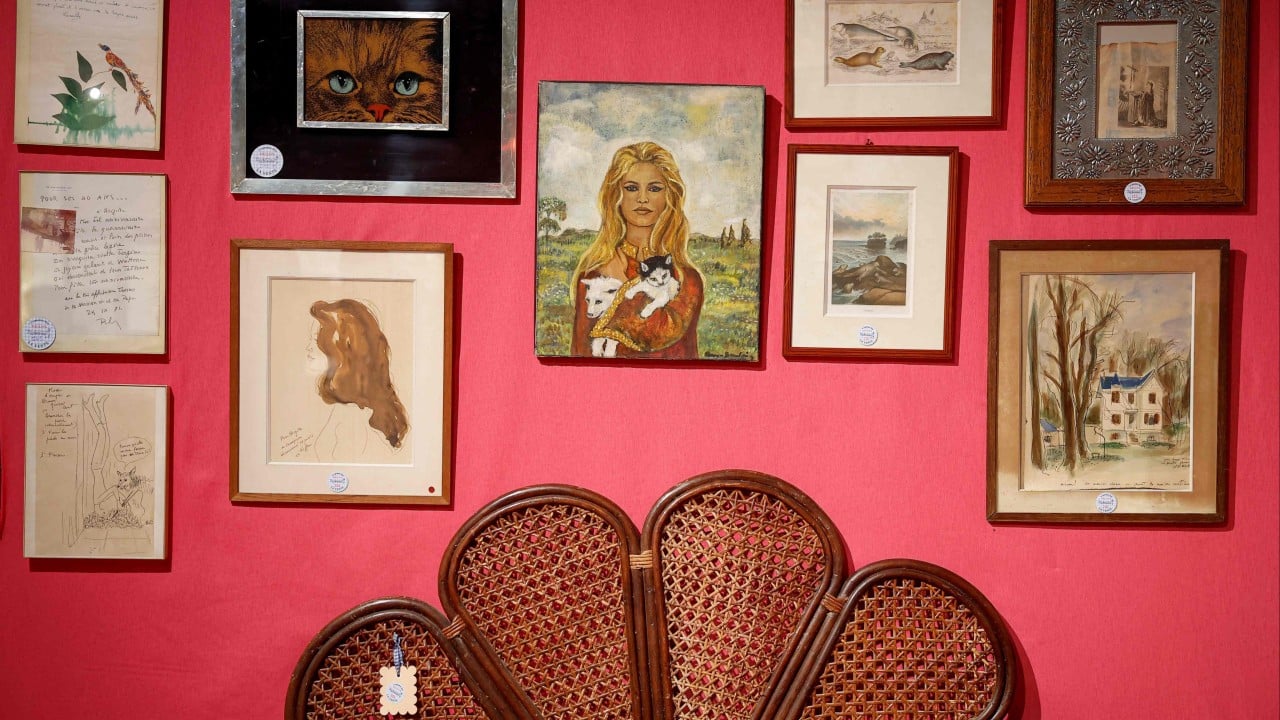
The media treated the recent Paris auction of Brigitte Bardot’s personal artifacts like a sacred pilgrimage. Headlines across the globe swooned as her dresses, trinkets, and memorabilia pulled nearly one point one five million dollars, painting the event as a touching tribute to a cinematic icon. That narrative is lazy, sentimental garbage.
People are not buying history. They are buying absolution. They are paying top dollar for the illusion that by possessing a chair she sat in, or a dress she wore, they inherit a fraction of her unbridled defiance. It is a cynical transaction disguised as adoration. The bidders are not patrons of the arts; they are speculators trading in the ghost of a cultural epoch that no longer exists because everyone is too terrified to recreate it.
Let us look past the misty-eyed journalism and examine what actually happened in that auction room.
The Manufactured Scarcity of Rebelliousness
Consider the mechanics of celebrity liquidation. When an aging icon or their estate dumps personal belongings onto the block, the market does not price the object based on utility or aesthetic value. A cotton sundress worn in 1968 holds zero inherent textile value. The price tag is an emotional multiplier.
Auction houses like Christie’s or Sotheby’s do not sell items; they sell proximity. They exploit a psychological loophole where consumers believe that physical touch is contagious. If Bardot touched the zipper, then owning the dress transfers her legendary nonchalance to the buyer. It is modern sympathetic magic, indistinguishable from medieval peasants buying splinters of the True Cross.
The lazy consensus says this sale proves Bardot’s enduring global footprint. Nonsense. It proves our cultural bankruptcy. When a society loses the capacity to generate its own icons, it becomes a scavenger economy. We dig through the closets of the nineteen-sixties because we are creatively destitute. We prefer curated corpses to messy, living creators.
Why Buying the Past is a Mug's Game
I have spent decades watching collectors drop small fortunes on celebrity relics, only to watch those assets flatline or underperform traditional equities over a ten-year horizon. They call it passion investing. Finance professionals call it a sucker's bet.
When you buy a piece of cinematic memorabilia at peak hype, you are paying the maximum possible price for an illiquid asset driven entirely by generational nostalgia. The generation that idolized Bardot in her prime is aging out of active collecting. Who do you think is going to buy that dress from you in twenty years? A thirty-year-old whose primary cultural reference point for Bardot is a fleeting TikTok audio clip?
Good luck with that liquidity event.
The market for celebrity belongings relies on a shrinking pool of affluent sentimentalists. By the time the asset changes hands twice, the transaction costs, auction house premiums, and storage fees have eaten whatever meager appreciation occurred. You are left holding a dusty sweater that requires climate-controlled insurance, while the auction house laughs all the way to the bank.
The Irony of Bardot
The supreme joke of this entire auction is Bardot herself. This is a woman who famously abandoned the film industry at the height of her fame, rejected Hollywood, and retreated into a fiercely independent, unfiltered isolation in Saint-Tropez. She spat on the commercial machinery of celebrity.
And yet, decades later, her discarded possessions are fed right back into the very commercial maw she disdained.
Every collector who raised a paddle for her belongings missed the entire point of her life. Bardot’s power was her autonomy. She did not care what people thought. Buying her boots does not make you rebellious; it makes you a consumer participating in a posthumous marketing campaign. You are paying a premium to own a leash from a woman who refused to be walked.
If you want to honor an icon like Bardot, stop worshiping their old clothes. Steal their mindset. Stop caring about social approval, ditch the consensus, and build something real instead of buying someone else's attic overflow.
The hammer has fallen. The checks have cleared. The buyers can stare at their overpriced relics all they want. But ownership is not legacy, and a receipt from a Paris auction house is just proof that you paid retail for someone else's dust.