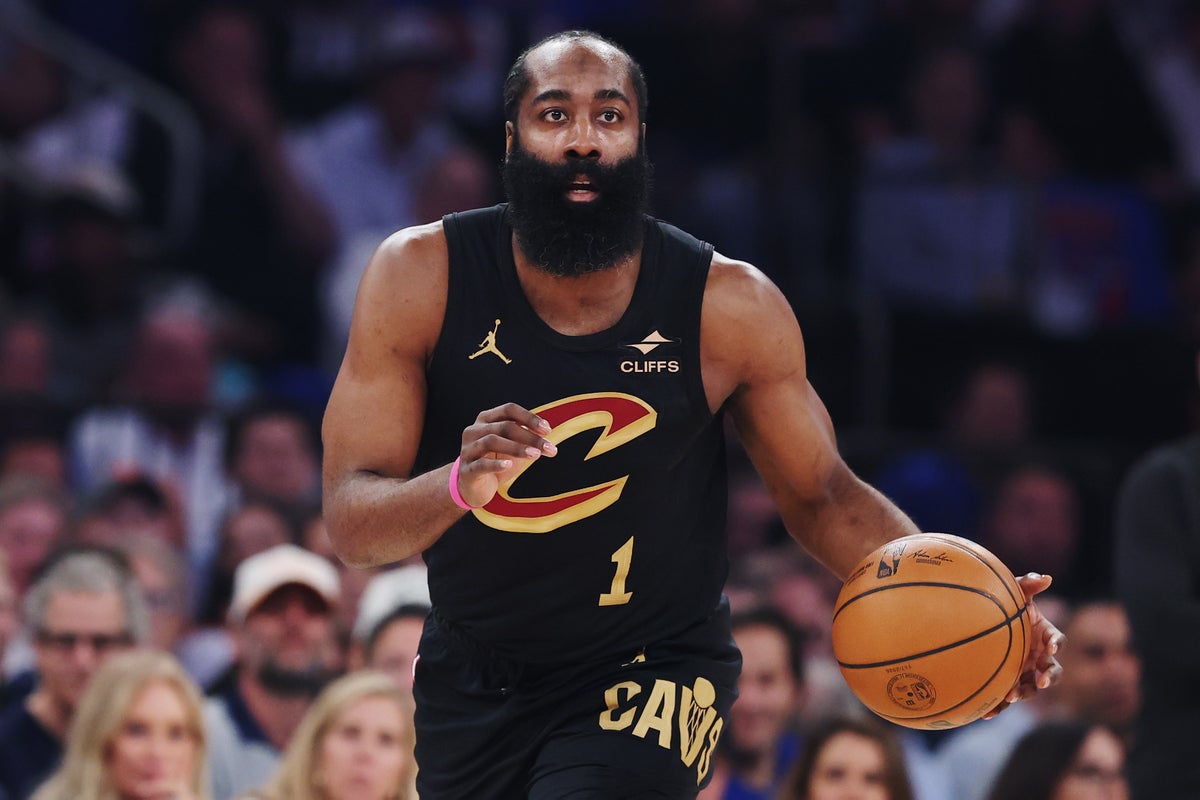
The football media is lazy. Brazil draws against Morocco, Vinicius Junior scores a brilliant individual goal, and the immediate narrative becomes a celebration of star power. Everyone marvels at the technique. They replay the strike from five different angles. They tweet about "Samba magic."
They are missing the entire point.
Relying on isolated flashes of genius to rescue structural failure is exactly why South American international football is losing ground to organized European systems. The match against Morocco was not a showcase of Brazilian dominance interrupted by bad luck. It was an exposure of a tactical void. When a team with world-class talent across every position needs a moment of individual desperation to secure a draw against a disciplined mid-block, you are not watching a powerhouse. You are watching a broken system dressed up in a yellow shirt.
The Myth of the Savior Goal
Sports journalism loves the savior narrative. It is easy to write. A superstar player pulls off a stunning piece of skill, and the match report writes itself. But looking at football through the lens of individual highlights creates a massive blind spot.
When Vinicius scores that goal, it masks ninety minutes of stagnant positional play. During my years analyzing tactical trends across international tournaments, I have seen this movie repeatedly. A team possesses immense individual quality but lacks cohesive patterns of progression. The players pass the ball in a slow, predictable U-shape around the back. The midfielders fail to drop into half-spaces to drag defenders out of position. The wingers are left isolated against double-teams, forced to beat two or three men just to create a low-probability chance.
Against elite, organized defensive blocks, this approach fails. Morocco did not get lucky; they executed a clear defensive blueprint. They compacted the space between their defensive and midfield lines, forcing Brazil wide and daring them to cross or attempt low-percentage dribbles. Vinicius broke through once because he is an elite athlete with world-class instincts. Expecting him to do that three times a match to win a tournament is statistical suicide.
Deconstructing the Misleading Statistics
Let us look at what actually happened on the pitch instead of relying on post-match emotion.
- Expected Goals (xG): A single spectacular strike from outside the box inherently carries a low xG value. While it looks incredible on a broadcast, relying on low-probability shots is a sign of an inefficient offense. If a team cannot generate high-value chances inside the penalty area, the tactical setup is failing.
- Field Tilt and Possession: Brazil maintained high possession percentages, but where was that possession held? Passing the ball between center-backs and a dropping defensive midfielder does not stress an opponent. True dominance is measured by final-third entries and sustained pressure in the penalty box.
- Transition Vulnerability: Because the team lacked a structured counter-press, every turnover turned into a dangerous counter-attack for Morocco. The midfield was frequently bypassed, leaving the defensive line exposed in isolated defensive duels.
The "People Also Ask" sections on search engines will inevitably fill up with questions like: "Is Vinicius now the undisputed leader of Brazil?" or "How can Brazil build their offense entirely around Vinicius?"
These are completely the wrong questions. The real question is: How does Brazil create an ecosystem where Vinicius does not have to carry the entire creative burden on his own?
The Heavy Cost of Star-Centric Tactical Systems
Centering an entire international setup around one or two individuals introduces extreme vulnerability.
First, it makes the team remarkably easy to scout. Modern analytical departments in European football do not fear raw talent; they fear unpredictable, fluid systems. If an opposing manager knows that stopping Brazil simply requires shading a defensive midfielder toward Vinicius's flank and forcing the ball back inside to less creative players, the tactical battle is already halfway won.
Second, it completely stifles the development of a functional collective press. In modern football, defending starts from the front. When players are given total freedom to drift and look for moments of individual magic, the defensive structure collapses the moment possession is lost. The hard truth is that the greatest international teams of the last two decades—the Spain of 2010, the Germany of 2014—were defined by structural suffocating dominance, not reliance on a single attacker to bail them out in the eighty-fifth minute.
Adopting a highly structured, positional approach does have a downside. It can occasionally restrict the spontaneous creativity that Brazilian football is historically famous for. It requires players to sacrifice personal highlights for the sake of opening up space for teammates. But the alternative is continuing the cycle of flashy friendly performances followed by quarter-final exits against the first disciplined European side they encounter in a knockout bracket.
Stop analyzing the sport through the prism of individual highlight reels. The Vinicius goal was a beautiful anomaly. The performance itself was an urgent warning sign.