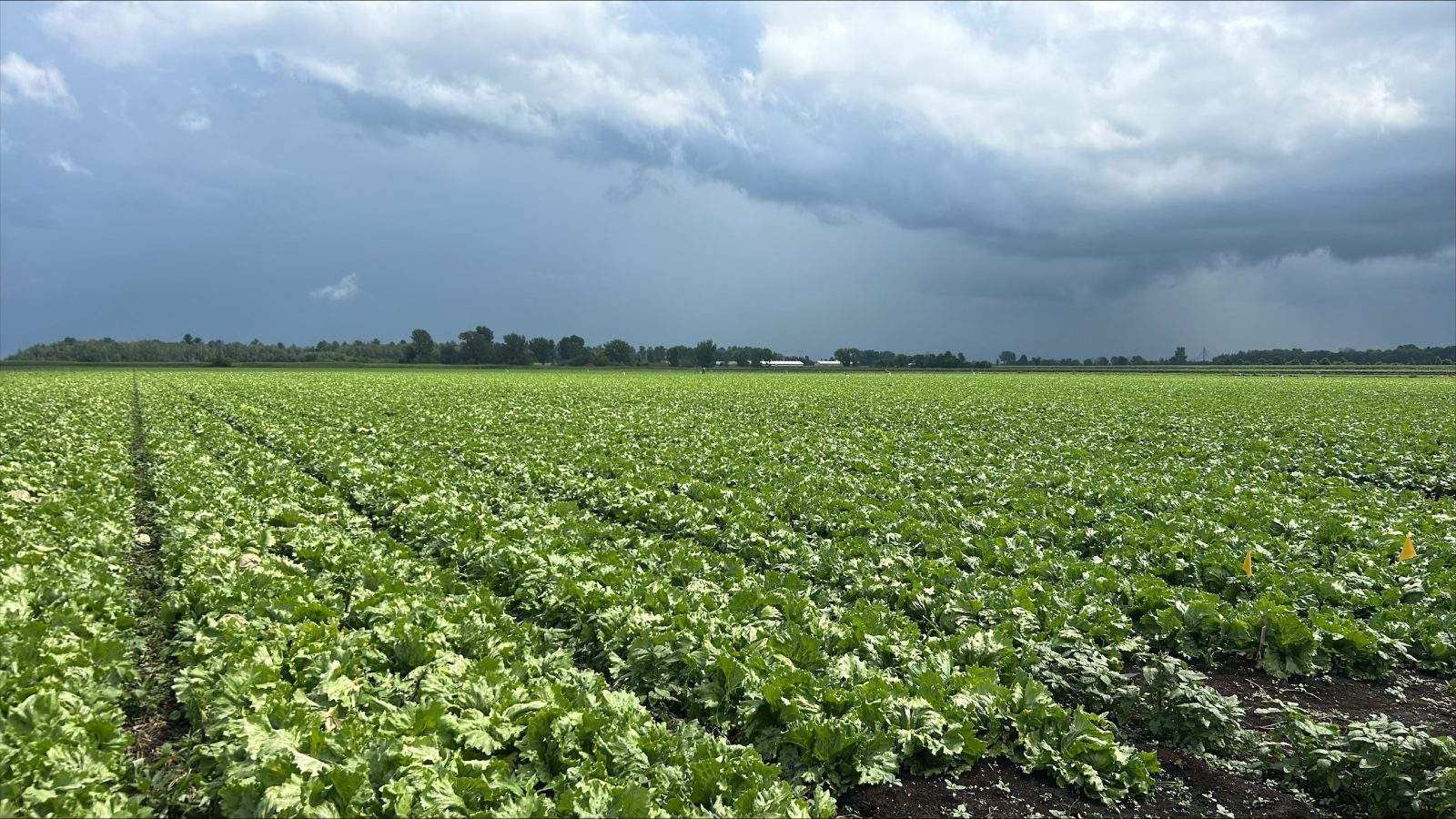
A microscopic parasite thousands of miles away can bankrupt a farmer in Montérégie before they ever touch a head of leaf. When a major cyclosporiasis outbreak traced to Mexican-imported iceberg lettuce triggered widespread panic across the United States, the economic shockwaves slammed directly into Canadian agriculture. Quebec lettuce producers are currently watching thousands of pounds of pristine, locally grown crops rot or sell below the cost of production.
Consumers south of the border abruptly stopped buying greens. Retailers pulled displays out of an abundance of caution. Because approximately half of Quebec’s commercial lettuce harvest is traditionally exported to the United States, the sudden contraction of the American market left domestic fields choking on surplus inventory. The crisis exposes the fragile interdependence of continental food supply chains, where localized outbreaks mutate into regional financial disasters through consumer fear alone.
The Anatomy of a Cross-Border Market Collapse
Panic travels faster than logistics. When the U.S. Centers for Disease Control and Prevention alongside the Food and Drug Administration flagged multi-state infections tied to centralized operations in Mexico, public reaction made no distinction between countries of origin or growing methods.
Greenhouse and field operations in Quebec found themselves collateral damage in a macro-economic food safety panic.
- Export Halts: U.S. wholesale buyers canceled standing orders overnight.
- Domestic Saturation: Unsold foreign-bound inventory flooded local Canadian grocery channels.
- Price Compression: Retailers forced wholesale prices down below production overhead just to move weight.
Margins in agriculture are razor-thin during the best of seasons. When prices drop below the cost of cultivation, every additional acre harvested deepens the financial bleeding.
The Brutal Math of Manual Harvests
Unlike heavily automated grain fields, commercial lettuce is intensely labor-dependent. Hand-harvesting accounts for roughly half of the total cost of production.
Pay wages, fuel tractors, and cover packaging, only to sell the yield at a fraction of its worth. The math breaks down immediately.
Some regional producers face a grim operational choice. Spend more cash capital on labor to pull mature heads from the ground that will sell at a loss, or leave the crop to plow back into the dirt as green manure.
Neither option saves the season. Labour shortages compounded the vulnerability years prior, but capital destruction driven by foreign health panics represents an entirely different tier of threat.
Misplaced Fear and the Science of Separation
Canadian public health agencies and academic specialists have maintained that domestic produce faces zero connection to the American outbreak vector. The domestic supply chain operates under separate regulatory scrutiny, and local surveillance shows no parallel spike in locally acquired infections.
Yet consumer psychology is immune to biochemical clarifications. Shoppers see headlines about intestinal parasites linked to salad greens, association takes over, and produce purchases plummet across the board.
This behavioral penalty highlights a structural flaw in modern agricultural marketing. Regional branding often vanishes at the retail counter. To an anxious shopper standing in an aisle, lettuce is simply lettuce.
Structural Vulnerabilities Exposed
The current crisis forces a hard look at Quebec’s export-heavy agricultural model. Relying on the U.S. market to absorb half a seasonal harvest creates systemic exposure to foreign regulatory events.
When a food safety failure occurs in Mexican supply chains, Canadian growers sharing the broad commodity category pay the price. Regional diversification and localized supply chain reinforcement are no longer academic talking points. They are survival mechanisms.
Producers caught in this squeeze are looking toward the autumn harvest with deep uncertainty. If consumer confidence fails to recover before fields reach peak maturity, the agricultural sector will absorb losses that alter planting strategies for years to come.
Fields are still green, but the capital keeping them alive is running dry.