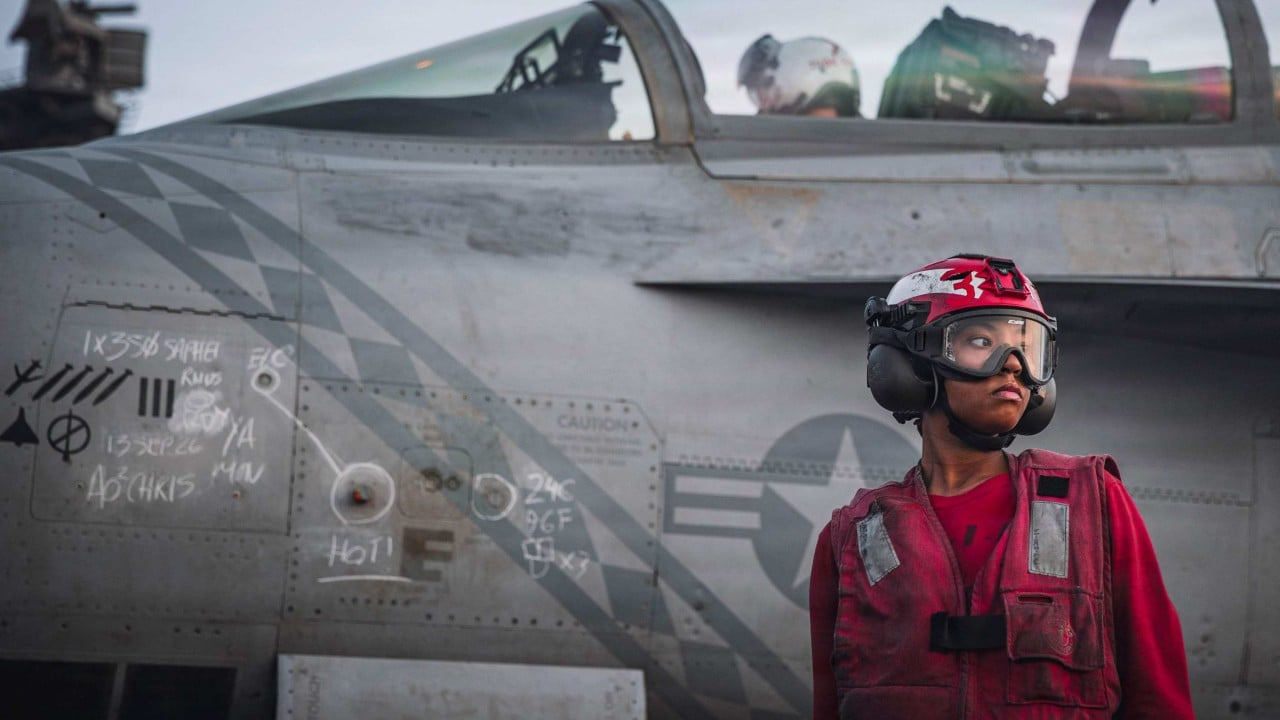
The U.S. Navy just made a massive bet on its aviation future. By awarding Boeing the multi-billion-dollar contract for the F/A-XX program, the Pentagon signaled a definitive shift away from legacy aircraft. This sixth-generation carrier-based fighter will eventually replace the trusty F/A-18 Super Hornet and EA-18G Growler, rewriting how power is projected across the world's oceans.
If you've followed defense procurement over the last decade, you know stakes are ridiculously high. Let's look at what this deal actually means, why Boeing won over competitors like Northrop Grumman, and what comes next for naval aviation.
The Real Weight of the F/A-XX Program
Carrier air wings need a complete overhaul. The Super Hornet has carried the workload for decades, but modern threat environments in the Pacific and elsewhere demand a completely different beast. We are talking about an aircraft designed to operate in highly contested airspace where traditional radar and communication links face intense electronic warfare.
The full-scale development phase alone carries a price tag exceeding twenty billion dollars. That funding covers building multiple test vehicles for ground tests, airworthiness trials, systems checks, and complex weapons integration.
Boeing's victory isn't just a corporate win; it secures the company's manufacturing footprint for generations. With this contract, Boeing is locked into designing and delivering a revolutionary platform featuring advanced open mission systems architecture and extended operational reach.
Why Boeing Won the Face-Off
Competition for sixth-generation fighter programs is ruthless. When the Pentagon evaluated proposals, the race came down to aerospace giants capable of handling extreme engineering hurdles. Northrop Grumman was right there in the mix, but Boeing's engineering roadmap and manufacturing readiness tipped the scales.
Boeing has quietly poured massive resources into advanced digital manufacturing and assembly techniques. When you build a stealth aircraft meant to fly off a pitching carrier deck while managing autonomous wingmen and quantum-resistant communications, production efficiency matters just as much as raw speed.
Critics often point out past delays in defense contracting, but the Navy needed a decisive choice to keep pace with rapid global advancements. The timeline points toward operational deployment in the 2030s, meaning development is already moving at a breakneck pace behind closed doors.
What Makes This Fighter Different
Sixth-generation aircraft aren't just slightly faster versions of fifth-generation jets like the F-35. They represent a fundamental shift in architecture.
- Open Mission Systems: Upgrades happen via software patches rather than lengthy hardware overhauls.
- Extended Range: Operating across vast oceanic expanses requires internal fuel capacities and efficient engine cycles that dwarf older airframes.
- Manned-Unmanned Teaming: The F/A-XX is expected to coordinate directly with uncrewed collaborative combat aircraft, acting as the quarterback in the sky.
Thermal management, advanced sensor fusion, and extreme low-observable traits will define whether these jets survive modern integrated air defense systems.
The Road Ahead for Naval Aviation
Transitioning from the F/A-18 to a brand-new sixth-generation architecture won't happen overnight. Flight test phases will take years. Training squadrons, maintenance crews, and carrier flight decks have to adapt to entirely new logistical footprints.
Keep an eye on how supply chains respond. Boeing's extensive network of subcontractors will feel the pressure immediately to deliver precision components on tight schedules. For now, the die is cast, and the future of naval strike warfare has a new shape on the horizon.
US Navy Picks Boeing For $20 Billion Sixth-Gen Deal
This video provides an in-depth breakdown of the Pentagon's decision to award the multi-billion dollar F/A-XX contract to Boeing and what it means for the future of carrier aviation.