Blood-C is weird. Honestly, there isn't a better word for it. When Production I.G and CLAMP teamed up back in 2011, nobody really knew what to expect, but they definitely didn't expect a slow-burn high school series that ends in a literal blender of gore. But the TV show was just the setup. The punchline was Blood-C: The Last Dark.
If you watched the series, you remember the betrayal. Saya Kisaragi, our clumsy protagonist, discovers her entire life is a lie staged by Fumito Nanahara. He’s the ultimate gaslighter. The movie picks up a year later in a slick, rain-soaked Tokyo, and it's a massive tonal shift. It swaps the rural, sunny dread of the series for a cyberpunk-adjacent thriller vibe. It’s dark. It’s moody. And for many fans, it was the closure they desperately needed, even if it didn't please everyone.
The Massive Visual Leap in Blood-C: The Last Dark
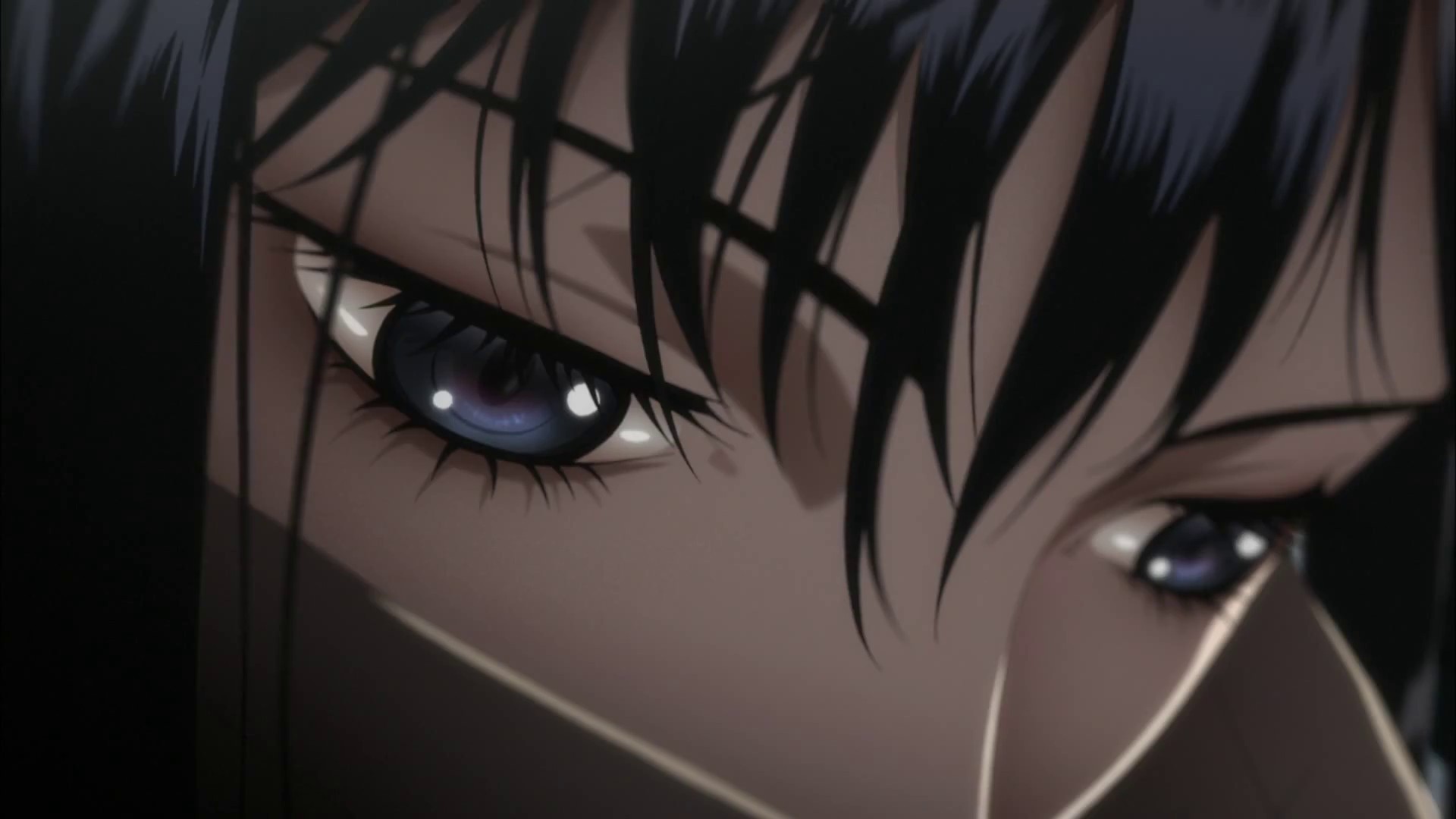
Let’s talk about the animation because, wow. Naoyoshi Shiotani directed this before he went on to do Psycho-Pass, and you can see that DNA everywhere. The movie looks expensive. Unlike the TV series, which sometimes struggled with wonky character models during the action scenes, the film is fluid. The fight on the subway? Breathtaking. The way the light reflects off the rain-slicked streets of Tokyo feels like a love letter to 90s OVA aesthetics but with a 2012 budget.
Production I.G didn't hold back. They used a lot of 3D integration for the vehicles and some of the larger Elder Bairns (the monsters), which can be hit or miss in anime. Here, it mostly hits. It gives the monsters an otherworldly, "not-belonging" feel that works for the story. You’ve got Saya, who is basically a walking tragedy, moving through this hyper-modern landscape. It’s a visual metaphor for her isolation. She doesn't belong in the human world, but she’s hunting her own kind.
Why the Change in Setting Matters
The TV show was confined. It was a "stage" built by Fumito. Moving Blood-C: The Last Dark to Tokyo blew the doors off that concept. We get introduced to SIRRUT, a group of young hackers trying to take down Fumito’s organization, Seventh Heaven. This adds a layer of social commentary that the original series lacked.
Suddenly, it’s not just about monsters eating people in a small town; it’s about corporate surveillance, youth rebellion, and the way information is controlled. Mana, the hacker girl who becomes Saya's closest ally, provides the emotional tether. She’s traumatized, just like Saya, but in a much more "human" way. Their bond is the heart of the film, even if Saya is mostly a silent, brooding shadow of her former self.
The Problem with Fumito and the Ending
Okay, we have to address the elephant in the room: Fumito Nanahara. He is one of the most frustrating villains in anime history. In the TV show, his motivations felt almost experimental. In the movie, his obsession with Saya reaches a boiling point. Some fans hate him. They think his plan is convoluted and his obsession makes no sense.
But if you look closer, there’s a twisted logic to it. Fumito isn't just a bad guy; he’s an obsessed fan of Saya’s "true self." He spent an entire series trying to see if she would break her vow not to kill humans. In the movie, he wants to see what she'll do when she finally corners him. The climax in the secret laboratory is... a lot. It’s less of a grand battle and more of a psychological collapse.
- The gore is toned down compared to the show.
- The focus shifts to atmosphere over shock value.
- The ending is surprisingly quiet.
Some people felt cheated by the final confrontation. They wanted a massive, bloody showdown. What they got was something more poetic and, frankly, a bit depressing. It stays true to the CLAMP style—bittersweet, confusing, and visually stunning.
Sorting Fact from Fiction: The Production Reality
There are a lot of rumors that Blood-C: The Last Dark was supposed to be longer or that it was "censored" because of the backlash to the TV show's violence. That’s not really backed up by the production notes. Shiotani has been vocal about wanting to create a "cinematic" experience that felt different from the broadcast version.
The film won the L'Écran Fantastique Prize at the 2012 Fantasia International Film Festival. That’s a big deal. It proves that even if the core anime fandom was split, the film held its own as a piece of dark fantasy cinema. It wasn't just a "sequel" meant to sell Blu-rays; it was an artistic pivot.
The Connection to the Larger Blood Franchise
It's easy to forget that this is part of a legacy. You have Blood: The Last Vampire (the 2000 film) and Blood+. Each iteration reboots the concept of Saya. The Last Dark is probably the closest in spirit to the original 2000 movie. It shares that "lonely girl with a sword in a dark city" vibe.
However, Blood-C as a whole is the "black sheep." It’s the most experimental. By the time we get to the movie, the "C" in the title—which many link to CLAMP—is fully realized. The character designs are lanky, the eyes are expressive, and the tragedy is dialed up to eleven.
Is It Actually Good?
If you’re looking for a traditional shonen power-up story, you’ll hate this. If you want a straightforward horror movie, you might be disappointed. But if you like atmospheric, slow-burn thrillers that occasionally explode into high-octane sword fights, it’s a masterpiece of the genre.
The voice acting is top-tier. Nana Mizuki (Saya) delivers a performance that is night and day compared to her "happy" version in the TV show. She sounds hollow. Dead inside. It makes the moments where she shows a flicker of emotion toward Mana even more impactful.
Action Breakdown
- The Subway Scene: This sets the tone. It’s fast, claustrophobic, and shows that Saya hasn't lost her edge.
- The Siege on the Compound: This is where the SIRRUT hackers get to shine. It’s more of a tactical operation than a monster hunt.
- The Final Giant: This is the divisive part. It’s a massive CGI creature that feels very different from the rest of the film's hand-drawn aesthetic.
Most people agree the first two thirds of the movie are stronger than the final act. The build-up is incredible. The mystery of what Fumito is actually doing in Tokyo keeps the stakes high. When the "big reveal" happens, it’s a bit of a head-scratcher for those not steeped in CLAMP lore (like xxxHolic, which heavily crosses over with this universe).
Dealing with the xxxHolic Crossover
You can't talk about Blood-C: The Last Dark without mentioning Kimihiro Watanuki. He appears as a dog/spirit-thing in the TV show, but he shows up in his shop in the movie. For casual viewers, this is just weird. For CLAMP fans, it’s a massive "Aha!" moment.
Basically, Saya paid a price to Watanuki to find Fumito. This connects Blood-C to the massive multiverse CLAMP has been building for decades. It adds a layer of fate and destiny that justifies why Saya is so "stuck" in her cycle of violence. It’s not just bad luck; it’s cosmic law.
How to Experience Blood-C Today
Watching the movie without the series is a mistake. You won't care about Saya’s revenge if you haven't seen the psychological torture she endured in the village. But watching the series without the movie is also a mistake because the series ends on a literal cliffhanger where Saya gets shot in the face.
The best way to consume this is back-to-back. Treat the 12 episodes of the anime as "Part 1" and the film as "Part 2."
Practical Steps for New Viewers:
- Check the Version: Make sure you are watching the "Uncut" version of the TV series first. The broadcast version has giant black bars over the gore that make it unwatchable.
- Context is Key: Research the "Blood" franchise history. Knowing that each "Saya" is a different person helps manage expectations.
- Pay Attention to the Background: In the movie, the background art tells a lot of the story. The posters, the news broadcasts, and the technology all hint at how much Fumito has changed the world.
- Look for the Cameos: If you're a fan of xxxHolic or Tsubasa Reservoir Chronicle, look closely at the shop scenes. The artifacts in the background aren't just random props.
Blood-C: The Last Dark remains a fascinating anomaly. It’s a big-budget, gorgeously animated conclusion to a show that everyone thought was just a gore-fest. It proved that there was a brain—and a heart—behind all that spilled blood. Whether you love the ending or find it pretentious, you can't deny that it’s one of the most unique entries in the "monster hunter" genre. It doesn't hold your hand. It just leaves you standing in the rain, wondering if revenge was ever really the point.
To get the most out of your viewing, focus on the relationship between Saya and Mana. While the revenge plot drives the action, their quiet moments in the SIRRUT base provide the necessary contrast to the violence. It is in these scenes that Saya’s humanity—something Fumito tried so hard to destroy—actually shines through. Once you've finished the film, look up the Blood-C manga and the None-None shorts for a bit of (much-needed) tonal variety.