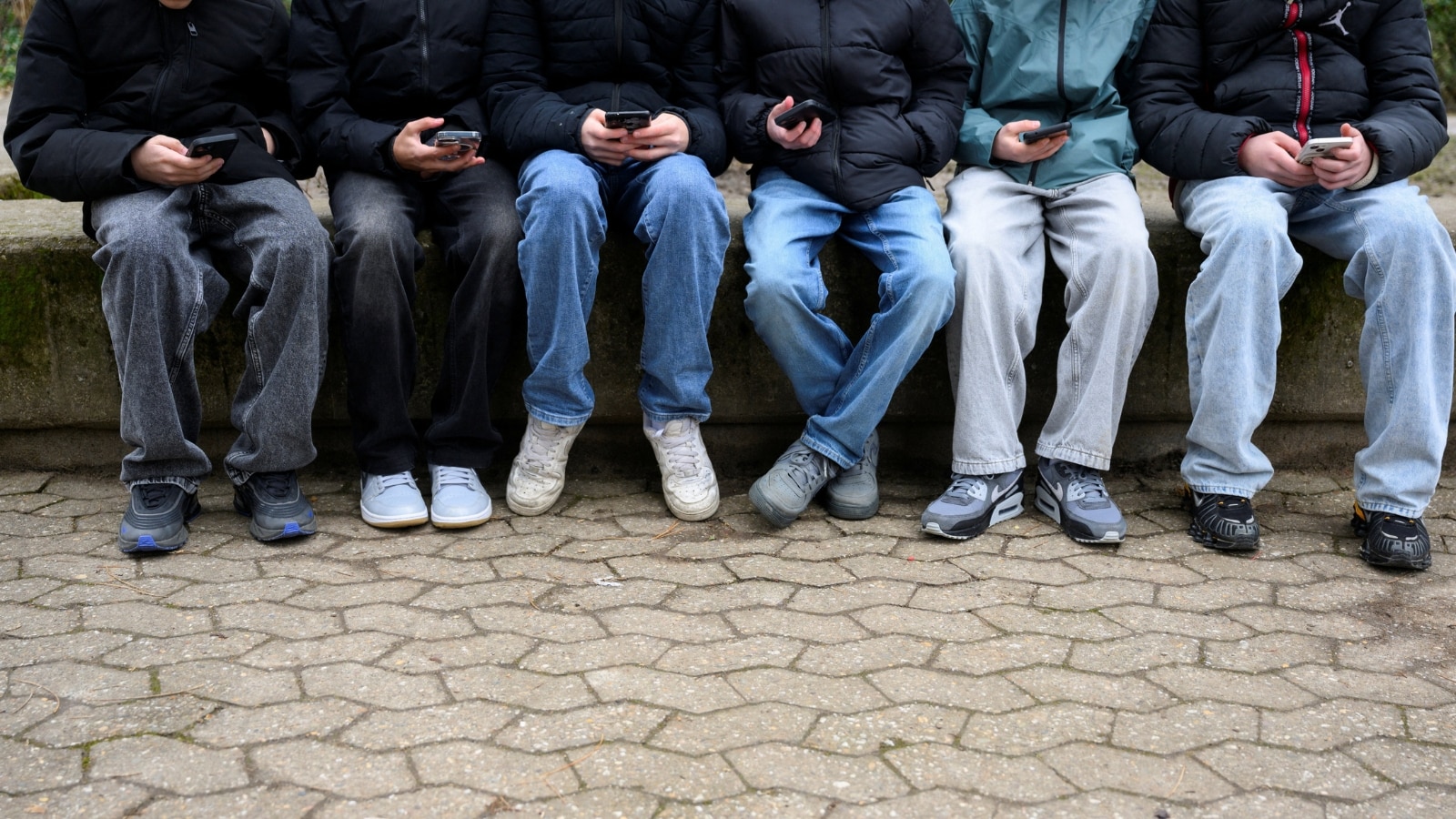
The tragic news of a 12-year-old girl taking her own life after viewing self-harm videos online has sparked the predictable, automated cycle of public outrage. A grieving mother sues Meta and TikTok. Politicians demand algorithmic transparency. Media outlets run terrifying headlines about digital poison infecting our youth.
Everyone nods in agreement. We find the villain. We blame the algorithm.
It is a comforting narrative. It is also entirely wrong, dangerously simplistic, and actively preventing us from solving the actual crisis.
Lawsuits against Big Tech make for great headlines, but they rest on a flawed premise: that social media is the root cause of psychological decay rather than a mirror reflecting a society that has already failed its children. By treating platforms like TikTok and Instagram as the arsonists, we ignore the dry tinder that has been piling up in our schools, homes, and communities for over two decades.
The Fallacy of the Killer Algorithm
The current consensus argues that social media algorithms are uniquely predatory engines designed to hook vulnerable minds and feed them a steady diet of misery. If we just force Meta to change its code, or if we ban smartphones for minors, the kids will be fine.
This logic is broken. It confuses a delivery mechanism with a source.
Decades of psychological research show that self-harm and suicidal ideation are deeply complex, multi-layered phenomena. They are driven by genetic predispositions, family dynamics, childhood trauma, socioeconomic instability, and severe isolation. An algorithm does not invent these vulnerabilities out of thin air. It responds to them.
The core mechanics of recommendation engines rely on user signal. If a deeply troubled, isolated child begins searching for or lingering on content related to depression, the system serves more of it. Is that a catastrophic design flaw for vulnerable populations? Yes. But it is a symptom of existing distress, not the origin.
When we pretend the algorithm is the sole perpetrator, we are letting everyone else off the hook. We excuse underfunded school mental health programs. We overlook the absolute isolation of modern suburban life. We ignore the fact that we have built a world where children feel increasingly powerless, over-scheduled, and disconnected from meaningful physical communities.
The Data the Moral Panic Ignores
To understand why the "social media causes suicide" argument fails under rigorous scrutiny, look at the work of researchers like Dr. Candice Odgers, a professor of psychological science at the University of California, Irvine. Odgers has spent years reviewing large-scale, longitudinal studies tracking adolescent digital technology use. Her findings constantly clash with the popular panic: the correlation between mental health issues and screen time is incredibly small, often accounting for less than one percent of the variation in adolescent well-being.
Furthermore, a comprehensive meta-analysis published in Clinical Psychological Science evaluated data from hundreds of thousands of adolescents and found that the association between technology use and mental health problems was about as strong as the association between eating potatoes and mental health problems.
If social media were a simple, linear toxin, we would see uniform devastation across all demographics. We don't. We see specific, highly vulnerable subsets of adolescents struggling immensely, while the vast majority navigate these platforms without developing clinical pathology.
When a tragic event occurs, the human brain demands a simple, external entity to blame. Corporate behemoths with opaque algorithms fit the bill perfectly. They make a much better villain than the uncomfortable truth: that our broader social fabric is fraying, and our kids are paying the price.
The Downside of Pushing Kids Offline
Let's look at the actual consequences of the standard prescription. Critics demand that we lock down the internet, restrict access, and strip minors of their digital identities.
I have spent years analyzing how digital spaces operate, and I can tell you exactly what happens when you aggressively police these platforms out of existence for teens: you destroy their primary lifeline.
For marginalized youth—particularly LGBTQ+ teens, neurodivergent individuals, or those trapped in abusive households—online communities are often the only spaces where they can find validation, support, and peer connections. In a world where physical public spaces for teenagers have been systematically eliminated, the internet has become the new public square.
Shutting down access or sanitizing platforms to the point of uselessness does not erase a teenager's pain. It just ensures they suffer in absolute silence, completely cut off from peers who might understand their struggle.
The Wrong Questions We Keep Asking
Look at any major news panel or public forum regarding youth mental health, and you will see variations of the same flawed questions.
- How do we stop algorithms from showing harmful content to minors?
- At what age should a child be allowed to have a smartphone?
- How can parents monitor every single click their child makes?
These questions are fundamentally broken because they treat the child as a passive, helpless victim of a screen. They assume that if we just build a high enough digital wall, the child will remain safe.
Instead, we should be asking:
- Why are our children looking for pain online in the first place?
- What fundamental needs for connection, autonomy, and purpose are missing from their physical lives that they are desperately trying to substitute digitally?
- Why does our healthcare infrastructure make it nearly impossible for a working-class family to get immediate, affordable psychiatric care for a child in crisis?
If a child drinks contaminated water from a polluted river, you don't blame the cup they used to drink it. You clean the river. Social media is the cup. The broader culture, the lack of community, and the systematic neglect of mental health resources are the pollution.
The Actionable Framework for Real Protection
We need to stop waiting for a multi-billion-dollar corporation to develop a conscience or for a gridlocked Congress to pass an effective tech bill. It isn't happening. If you want to protect vulnerable youth, you have to pivot away from censorship and toward structural resilience.
Invest in Friction, Not Bans
Total bans fail immediately because teenagers are infinitely more tech-savvy than the regulators trying to restrict them. They will find workarounds, VPNs, and alternative unmonitored platforms. Instead of bans, introduce friction. Parents and institutions should focus on establishing structural boundaries that protect sleep and physical engagement. No phones in the bedroom after 9 PM. No devices at the dinner table. This doesn't censor content; it preserves the basic physiological rhythms required for emotional regulation.
Build Digital Media Literacy, Not Digital Fear
We teach children how to cross the street because we know cars are dangerous. We do not ban cars; we teach traffic safety. We need to teach children how algorithms function. They need to understand that a recommendation engine is not their friend, nor is it a reflection of reality—it is an advertising machine optimized to hold their attention by manipulating their emotions. When a teen understands how they are being manipulated, they gain agency over their consumption.
Rebuild Physical Third Places
The rise of social media directly mirrors the death of physical spaces for teenagers. Malls, parks, and youth centers have either shut down or banned unescorted minors. If we do not give youth physical places to congregate, test boundaries, and build real-world relationships, they will do it entirely through a five-inch screen.
The Uncomfortable Truth
Litigation against tech giants provides a cathartic release for a society deeply uncomfortable with its own failures. It allows us to point a finger at Mark Zuckerberg or Shou Zi Chew and pretend that if they just fixed their code, our homes would be peaceful and our children would be whole.
It is an illusion.
A lawsuit cannot replace a missing support system. A regulation cannot heal a broken home. An algorithm change cannot provide an isolated child with a sense of purpose.
Until we stop treating social media as the sole author of adolescent misery, we will continue to bury children while the real causes of their despair remain completely untouched.