Every time a headline links geopolitical saber-rattling in the Middle East to the price at your local pump, the financial media rolls out the exact same tired script. The lazy consensus claims that a standoff with Iran automatically chokes global supply, forces crude barrels higher, and leaves motorists entirely at the mercy of foreign potentates.
It is a neat, comforting narrative. It gives politicians a convenient scapegoat and allows analysts to lazily recycle decades-old playbooks.
It is also completely wrong.
I have watched traders panic over desert skirmishes while missing the structural plumbing that actually dictates refined product pricing. The fixation on crude oil benchmarks as the sole driver of fuel costs is a fundamental misdiagnosis of modern energy markets. When Washington hosts executives to beg for more production during a Middle East flashpoint, they are treating a broken leg with a band-aid.
The Crude Fallacy
Crude oil is not gasoline. That sounds like a semantic distinction, but it is the entire ballgame. Refined products—gasoline, diesel, and jet fuel—are manufactured goods. Their market price is a function of refining capacity, inventory depth, crack spreads, and regional distribution bottlenecks, not just the raw cost of a barrel of Brent or West Texas Intermediate.
When fuel prices spike during geopolitical crises, the mainstream media points to the barrel. They ignore the refinery. Over the past decade, regulatory pressure, capital starvation, and aggressive ESG mandates have systematically dismantled refining capacity across the Western world. We have fewer operational distillation units today than we did five years ago, even as global demand has roared past pre-pandemic highs.
Imagine a scenario where every crude well in Iran doubles output tomorrow. If domestic and European refining utilization sits near its maximum threshold because plants have been shuttered or converted, that extra crude has nowhere to go. It sits in tankers while retail gasoline prices stay stubbornly elevated. The bottleneck is downstream, yet politicians keep staring upstream.
Why Executives Smile and Nod
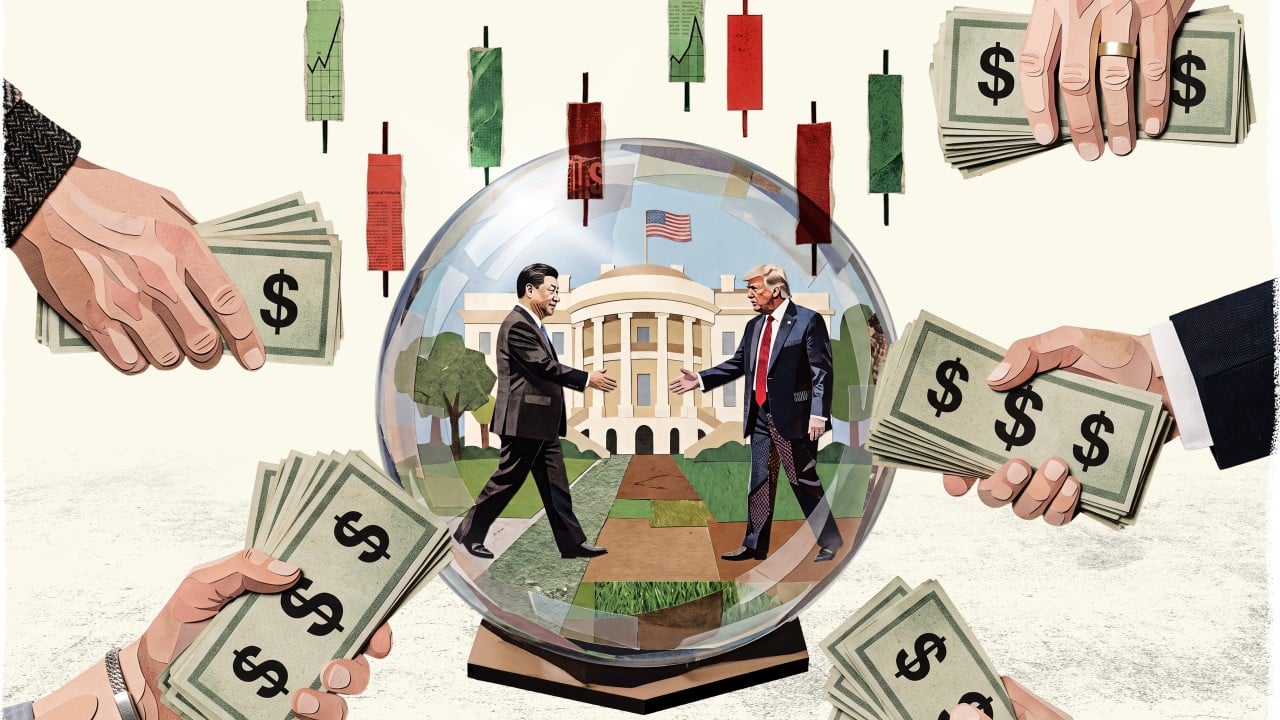
When White House officials sit down with oil executives behind closed doors, a very predictable dance occurs. The executives nod politely, murmur about market stability, and walk out with zero intention of altering long-term capital allocation. Why? Because public companies answer to shareholders, not panic-stricken administrations facing midterm elections.
For years, capital expenditure in fossil fuels has been penalized by Wall Street. Shareholders demanded cash returns, dividends, and buybacks instead of wildcat drilling sprees that carry multi-year payback periods. When oil executives are pressured to increase supply overnight, they know it is an economic impossibility. Building or expanding a refinery takes years of permitting, billions in capital, and immense regulatory navigation.
Blaming an impending Iran conflict for high fuel costs is a convenient shield for both corporate boards and governments. It masks structural policy failures behind the fog of war.
The Real Mechanics of the Pump
To understand why your fuel costs what it does, you have to look past the cable news graphics of burning oil fields and examine three boring, unsexy drivers:
- Product Yield and Specifications: Refineries cannot magically turn all crude into premium gasoline. Heavy sour crudes, which are abundant in certain regions, require complex cracking units to yield high-value distillates. If those units go down for maintenance, regional fuel spikes happen independent of geopolitical headlines.
- Inventories Over Production: Daily production figures are vanity metrics. Inventory depth is sanity. A draw in total product stock within primary storage hubs drives price action far faster than a tanker delay in the Strait of Hormuz.
- Logistics and Refining Margins: The crack spread—the differential between the price of crude oil and the petroleum products extracted from it—tells the real story of industry profitability and consumer pain. When refiners experience margin expansion, it reflects acute scarcity of the finished product, not just raw material costs.
The Contrarian Reality
The discomforting truth is that high fuel prices are a structural feature of modern energy transition policies colliding with physical infrastructure limits. We spent years disincentivizing capital investment in traditional hydrocarbons while simultaneously subsidizing alternative infrastructure that cannot yet carry the total baseload.
When a geopolitical shock hits, it acts as a magnifying glass on an already fragile system. The spark isn't the problem; the dry kindling is.
If you want cheaper fuel, stop looking at Tehran. Start looking at permitting reform, capacity expansion incentives, and the stubborn refusal of capital markets to fund low-margin, high-risk infrastructure projects under a hostile regulatory regime.
Until policy aligns with physical reality, every summit with oil executives is just theater, and every excuse about Iran is just a distraction from the bills we are finally paying for a decade of magical thinking.