The water did not just take the houses. It took the lines that separated clean from foul, safety from hazard, life from slow decay.
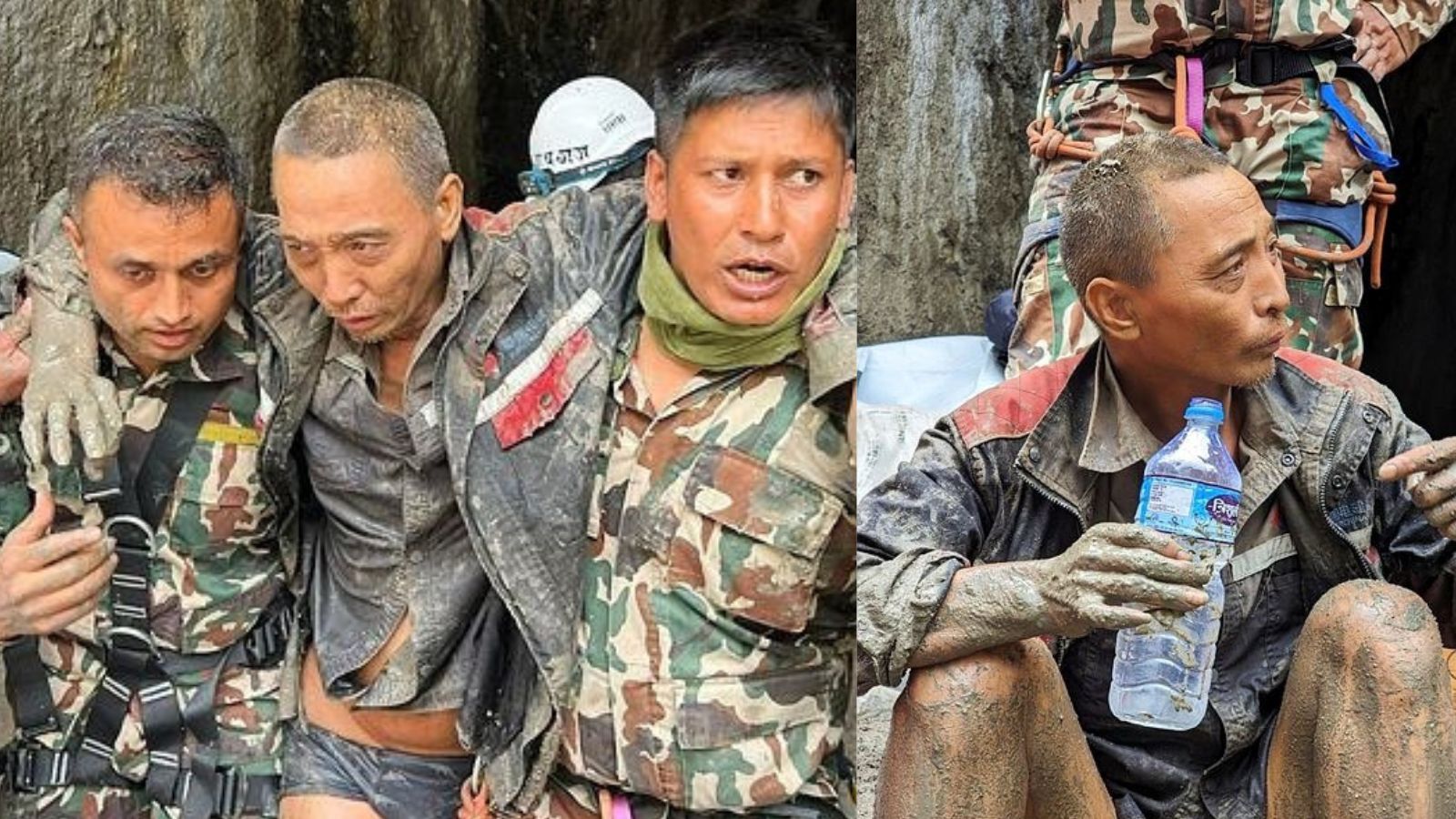
When the flash floods tore through Nepal, swelling rivers six times their size, they swallowed roads, vehicles, and entire neighborhoods in a churning wave of mud. But the water eventually slowed. It pooled, it stagnant-staled, and it left behind a quiet, shivering population huddled under plastic sheets. Then came the distribution trucks. Relief packets arrived, carrying the most basic human right packaged in plastic and foil: food. Expanding on this theme, you can also read: Why Media Coverage Of Disaster Survival Is Completely Broken.
Yet, in the makeshift camps, a strange terror settled over the survivors. They stared at the rations in their hands with trembling uncertainty.
Consider the environment into which that food was delivered. The receding waters left behind pulverized brick, uprooted trees, and the tragic debris of a sudden catastrophe. Worse still, the slurry carried the invisible remnants of broken sewage lines and decaying organic matter. Swarms of flies blanketed every surface, carrying pathogens from places no one wanted to think about. The government issued urgent advisories warning that rations and local food supplies required extreme vigilance, because the very air and earth around the camps were saturated with contamination. Analysts at Associated Press have shared their thoughts on this matter.
Hunger is a loud, clawing master. But fear is a cold shadow.
Imagine sitting on a damp mat with a pouch of dry grain or a parcel of cooked provisions, knowing that the flies buzzing around your ears have spent the morning on the ruins of a collapsed village. Every bite becomes a gamble. Does this nourishment carry life, or does it carry typhoid, cholera, or acute gastroenteritis?
This is the psychological aftermath of a climate disaster. The physical storm ends in hours, but the biological storm lingers for weeks. Survivors find themselves calculating risks with every swallow. They know that eating is mandatory for survival, yet the environment has turned their sustenance into a potential weapon.
Public health guidelines dictate rigorous boiling, meticulous washing, and the immediate disposal of anything touched by the grey tide. But how do you boil water when your fuel is soaked? How do you maintain kitchen hygiene when your kitchen is a muddy trench shared by hundreds of displaced families?
The tragedy of the flood is not written solely in the volume of water that destroyed homes. It is written in the hesitation of a mother looking at a meal, wondering if feeding her child today will invite a hospital visit tomorrow.
The plate is full. The stomach is empty. And the choice is entirely terrifying.