The air in the Indus River basin doesn’t just carry the scent of damp earth and diesel during the harvest months; it carries the cloying, heavy sweetness of crushed cane. It is a smell that usually signals prosperity. For generations of farmers in Pakistan, the tall, swaying stalks of sugarcane represented a "cash crop" in the truest sense—a reliable ticket to a daughter’s wedding, a new tractor, or a debt finally cleared.
But this year, that sweetness feels like a threat. Recently making headlines lately: Why India and Argentina are joining forces for edible oil security.
Consider a man named Bashir. He is a hypothetical composite of the thousands of small-scale farmers currently standing beside their tractor-trolleys in miles-long queues outside sugar mills. Bashir has been waiting for forty-eight hours. The stalks on his trailer are drying out, losing weight and sugar content by the hour, which means the price he’ll receive is shrinking before his eyes. He is caught in the middle of a "sugar glut," a term that sounds like a luxury to a hungry world but is actually a slow-motion economic disaster for a developing nation.
Pakistan is currently sitting on a mountain of sugar. The country has produced far more than its citizens can consume, yet the irony is razor-sharp: while the warehouses are bursting with white gold, the national economy is gasping for air. Additional information into this topic are detailed by The Economist.
The Policy Trap
The problem isn’t a lack of sugar. It’s a lack of rhythm.
In a healthy market, supply and demand dance together. When there is too much of a product, the price drops, consumers buy more, or producers pivot to something else. But sugar in Pakistan is not a free-market commodity; it is a political one. For decades, the government has set a "support price"—a floor below which the price of cane cannot fall. This was designed to protect people like Bashir from being exploited by powerful mill owners.
It worked too well.
Because the government guaranteed a high price, every farmer with a patch of land stopped planting lentils, oilseeds, or wheat. They planted cane. Why wouldn't they? It’s a hardy crop, hard to kill, and the government promised a payday. Consequently, Pakistan became a sugar-producing powerhouse. But there is a ceiling to how much tea the average person can drink.
Now, the mills are full. They cannot sell the sugar locally because the market is saturated. They cannot easily sell it abroad because international sugar prices are often lower than the artificial price created by Pakistan’s support system. To export it without losing money, the mills demand subsidies from a government that is already broke and under the strict eye of the International Monetary Fund (IMF).
It is a deadlock.
The mill owners refuse to start the new crushing season until they can clear their old stock. The farmers cannot clear their fields for the next crop until the mills take the cane. The government is paralyzed, terrified that if they allow exports, local prices will spike and cause a political riot, but equally terrified that if they don't, the entire agricultural sector will collapse.
The Invisible Thirst of a Thirsty Crop
Beyond the balance sheets and the political shouting matches lies a more permanent cost. Sugarcane is an incredibly thirsty plant. In a country ranked among the most water-stressed in the world, the "glut" is essentially a massive export of water that Pakistan does not have.
Every ton of surplus sugar sitting in a warehouse represents billions of gallons of water pumped from shrinking aquifers or diverted from the Indus. While the country spends its precious water on a crop it can't sell, it is forced to spend its even more precious foreign exchange reserves to import wheat and palm oil—crops that those same farmers could have grown if the sugar incentives hadn't blinded the market.
It is an exchange of the vital for the redundant.
The economic strain is palpable. When the sugar sector stalls, the ripple effects move through the villages like a fever. The local mechanic who fixes the tractors sees his business dry up. The shopkeeper who sells tea and flour finds his ledger filled with "buy now, pay later" entries that may never be settled.
The Ghost in the Machine
The "sugar lobby" is a phrase often whispered in the halls of power in Islamabad. It refers to the fact that many of the country’s most powerful politicians also happen to own the largest sugar mills. This creates a spectacular conflict of interest. When policies are drafted, are they designed to help the national economy, or are they designed to ensure the mills remain profitable regardless of market reality?
This is why the "policy gaps" mentioned in dry economic reports are better described as "policy choices."
The glut isn't an accident of nature or a fluke of the weather. It is the result of a system that prioritizes short-term political stability over long-term economic health. By keeping the support price high, the government buys the loyalty of the rural vote, but it simultaneously creates an unmanageable surplus that eventually bankrupts the state.
The Weight of the Surplus
What happens when a nation produces too much of the wrong thing?
The IMF, acting as the stern librarian of global finance, has made it clear: no more subsidies. Pakistan can no longer afford to pay mill owners to sell their sugar to the rest of the world. This leaves the country in a precarious position. To clear the glut, the government must allow the market to find its own level, which would mean a painful period of adjustment.
Prices might fluctuate wildly. Some mills might go under. Many farmers, who have relied on the sugar safety net for thirty years, would have to learn to grow something else.
But the alternative is worse. The alternative is a permanent state of crisis where the country bleeds water and cash to maintain a mountain of sugar that no one can eat.
Bashir, still waiting in the queue, doesn't care about the IMF or the global price of raw sugar in London or New York. He only knows that his cane is turning to fiber in the sun. He knows that if he doesn't get paid this week, the school fees won't be paid next month.
His struggle is the human face of a spreadsheet error.
The "sugar glut" is a story of unintended consequences. It is a cautionary tale about what happens when the government tries to outsmart the basic laws of supply and demand. It proves that you can only distort reality for so long before the weight of that distortion becomes too heavy to carry.
As the sun sets over the Indus, the line of tractors stretches toward the horizon, an exhausted caravan of men carrying a harvest that the world doesn't want. The sweetness has turned. The air is thick with the smell of fermentation, a sign that the sugar is starting to rot. It is a scent that lingers, a reminder that in the game of controlled economies, the only thing that grows faster than the crop is the debt.
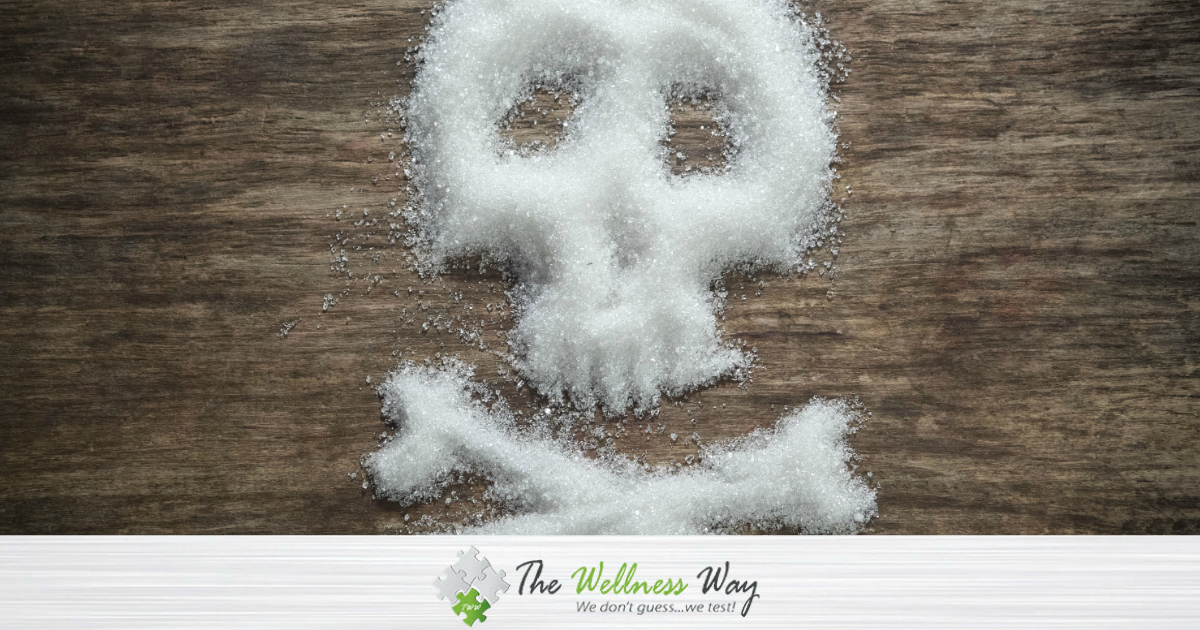
The mountain of white crystals continues to grow in the dark, silent and heavy, a monument to a plan that forgot to account for the simple truth that too much of a good thing is, eventually, a poison.