The desk lamp is still on. It casts a low, amber glow over a half-finished math worksheet, a crumpled wrapper, and a pair of headphones tangled on the carpet. If you stand in the doorway, everything suggests that a fourteen-year-old boy just stepped out to grab a glass of milk.
But he has been gone for thirteen days.
When a teenager vanishes into the belly of a major metropolis like Toronto, the world outside keeps moving at a frantic, indifferent pace. Streetcars rumble down Queen Street. Baristas steam milk. Commuters stare into their glowing screens, completely unaware that a few blocks away, a family is trapped in the worst kind of purgatory. For almost two weeks, the silence in this house has been deafening. It is a heavy, suffocating quiet that only exists when a child is missing.
Standard police reports call it an "ongoing investigation." They list the vitals: height, weight, last seen wearing a black hoodie, blue jeans, running shoes. They broadcast the digital flyer across social media channels, hoping for a ping, a glance, a sudden jolt of recognition from a stranger.
To the public, it becomes a headline to skim between morning emails. To a mother, it is a ticking clock that refuses to slow down.
The Illusion of the Safe City
We comfort ourselves with numbers. We look at crime statistics and tell ourselves that missing children are anomalies, rare glitches in a generally secure social fabric. Toronto routinely ranks high on global livability indexes. We walk its neighborhoods under the comforting assumption that our geography shields us from tragedy.
That assumption is a luxury.
When you look closely at how missing persons cases unfold in a sprawling urban environment, you quickly realize how easily a person can become invisible. A city of millions offers infinite hiding spots, but more frighteningly, it offers absolute anonymity. You can walk past a hundred people on a crowded platform at Bloor-Yonge station, and not a single eye will truly see you. We look, but we rarely register.
Consider the first twenty-four hours. In the vocabulary of investigators, this is the golden window. It is the period when memories are fresh, when store owners haven't overwritten their security camera footage, and when a trail hasn't yet been washed away by rain or time.
When that window closes without answers, the nature of the search shifts. It warps from a frantic sprint into a grueling, psychological war of attrition.
The police department assigns detectives. They knock on doors. They interview friends from school, parsing through casual text messages and gaming chat logs for any hidden subtext, any hint of teenage angst or deliberate departure. But teenagers are inherently guarded creatures. They live parallel digital lives, masked behind passwords and disappearing messages, leaving parents to realize how little they might actually know about the internal world of the person sleeping across the hall.
The Anatomy of the Search
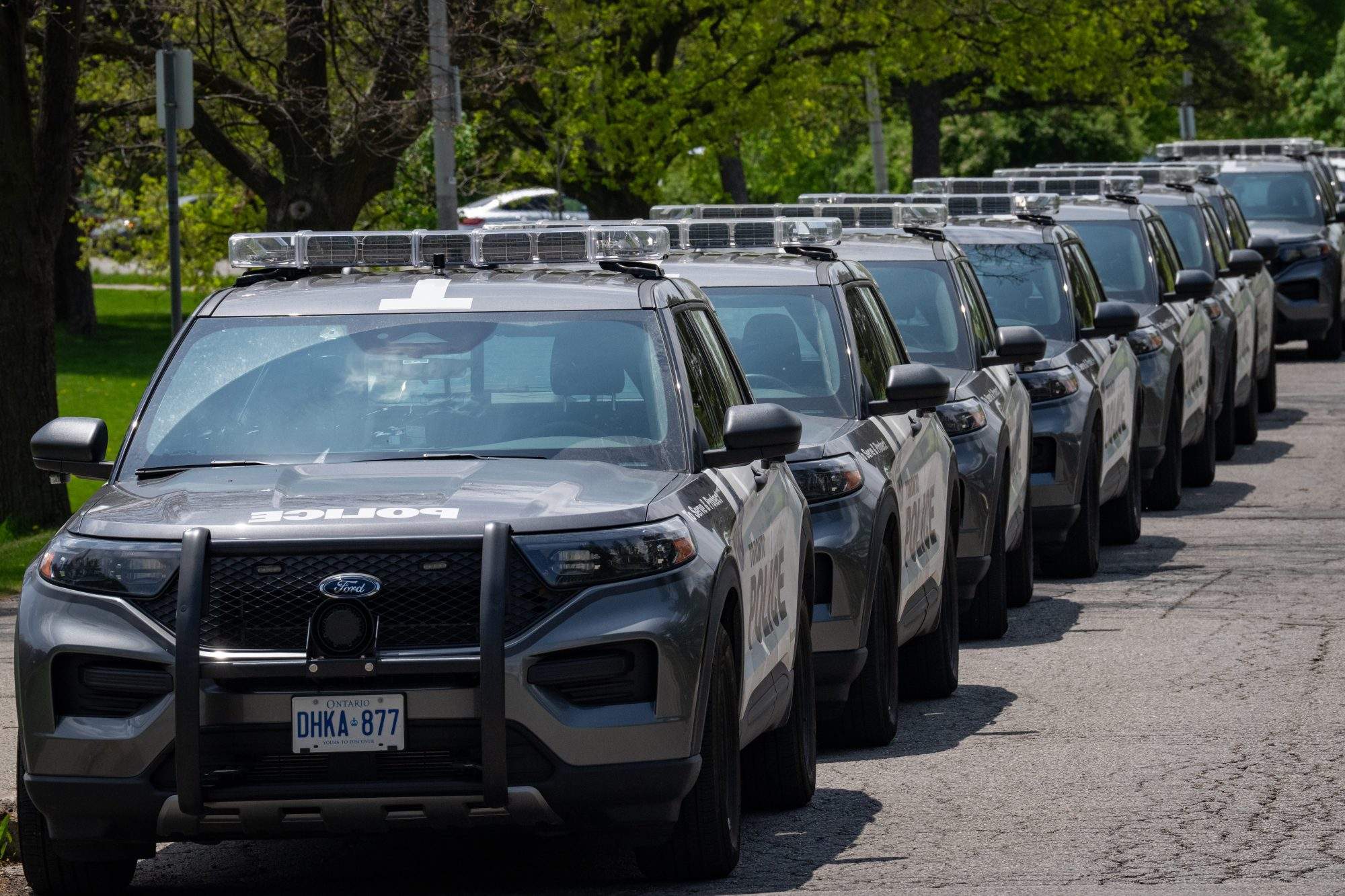
To understand what happens behind the scenes of a two-week disappearance is to understand a massive, largely invisible logistical machine. It is not just officers walking through parks with flashlights, though that happens too.
It is data triage.
+--------------------------------------------------------+
|               POLICE DATA TRIAGE PIPELINE              |
+--------------------------------------------------------+
|                                                        |
|   [Cell Tower Pings] ----> Location Mapping            |
|                                 |                      |
|   [Transit Card Logs] ---> Last Known Transit Node     |
|                                 |                      |
|   [CCTV Footage] --------> Visual Verification         |
|                                                        |
+--------------------------------------------------------+
Investigators begin by pulling cell phone tower data, trying to pinpoint the exact moment a mobile device disconnected from the network. They request transit logs, tracking the unique digital signature of a Presto card tapping onto a bus or subway line. They map out every public and private surveillance camera within a two-kilometer radius of the last confirmed sighting.
It is tedious, exhausting work. A detective might sit in a dark room for eight hours, eyes burning, watching grainy, black-and-white footage of a street corner, waiting for a figure in a black hoodie to cross the frame.
Then there is the community. In the absence of official updates, a strange, grassroots ecosystem forms. Neighbors print hundreds of posters, their fingers stained with staple-gun grease. Local Facebook groups turn into amateur intelligence hubs. Well-meaning citizens post theories, alleged sightings, and rumors that spiral out of control, forcing police to spend precious hours chasing ghosts and debunking internet gossip rather than following real leads.
The emotional toll of this collective anxiety is vast, but it pales in comparison to the epicenter of the crisis.
What the Reports Leave Out
A police press release cannot capture the smell of a missing child’s unwashed laundry, which a parent smells just to feel close to them. It cannot convey the agonizing phantom ring of a telephone, or the way a heart stops every time a car door slams on the street outside.
The human mind is not built to handle prolonged ambiguity. If a loved one passes away, there is grief, but there is also a boundary. A conclusion. When a child is missing for two weeks, the mind creates a thousand different endings every single hour, each one more terrifying than the last.
"You find yourself bargaining with the walls," says a volunteer advocate who has worked with families of missing youth for over a decade. "You promise whatever higher power you believe in that you will change everything, do anything, if they just walk through the door. And then the sun comes up, the house is still empty, and you have to survive another twelve hours of daylight."
The search for the Toronto teen continues, but as the days stack up, the public attention inevitably wanes. The algorithms shift. New crises occupy the top spots on the news feeds. The digital flyers get buried under memes, political arguments, and sports highlights.
But in that house, the lamp stays on.
The worksheet sits unfinished.
The city continues to spin, while one family remains frozen in place, waiting for the sound of a key turning in the front door lock, terrified of what the silence might mean if it lasts another day.