Democracy often sounds neat and orderly on paper. It looks like crisp white ballots, quiet school gymnasiums on Tuesday mornings, and the solemn transfer of authority. But on the ground, where politics collides with raw ambition and immense financial firepower, the process is loud, messy, and fiercely contested.
Consider what happens next in the East Bay, where a high-stakes legislative battle unfolded to determine who would fill the congressional vacancy left by former representative Eric Swalwell. The contest pitted prominent local leaders against a wave of heavy outside spending, transforming a regional legislative choice into a national referendum on political influence.
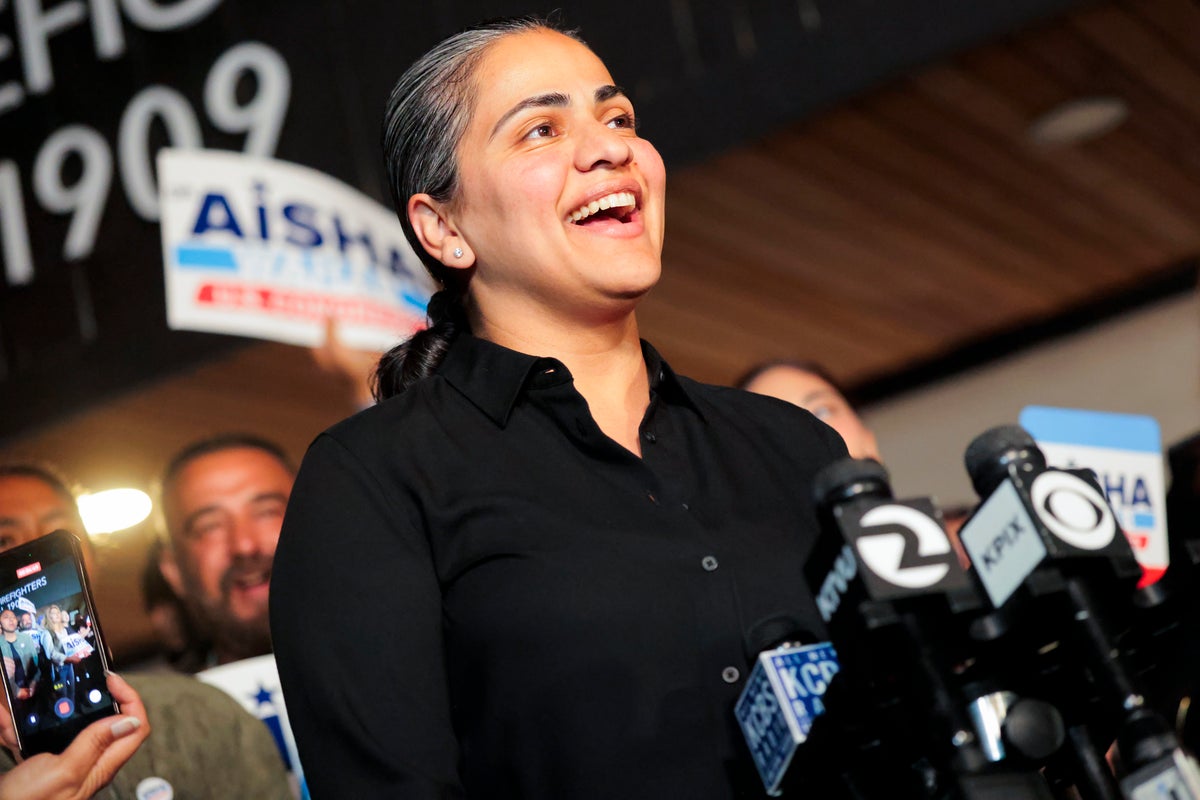
The air in Alameda County grew thick with political advertising weeks before voters went to the polls. Super PACs aligned with the American Israel Public Affairs Committee poured millions of dollars into the district to support moderate candidate Melissa Hernandez, the president of the Bay Area Rapid Transit board and former Dublin mayor. The objective was clear: block the path of state senator Aisha Wahab, a progressive Democrat and the daughter of Afghan refugees, whose sharp critiques of foreign policy and outspoken stances had drawn fierce opposition.
For voters navigating the deluge of mailers, digital videos, and broadcast spots, the bombardment felt unrelenting. One side framed the choice around public safety and moderation, while counter-super PACs and progressive allies pushed back against what they characterized as an attempt by billionaire donors to buy a local mandate. Amidst the noise, the human element of political representation risked getting lost entirely.
Wahab built her campaign on a foundation of affordability, housing, and civil rights, leaning into a biography that resonated deeply with working-class communities across one of the most diverse districts in the state. When outside expenditures flooded the airwaves with attacks on her record, her campaign responded by directly engaging constituents through town halls, livestreams, and grassroots networks, arguing that voters could not be easily swayed by multi-million-dollar ad buys.
The tension in the district illustrated a broader rift within the Democratic party over foreign policy, campaign finance, and the growing footprint of single-issue super PACs in primary and special elections. While critics of the heavy spending argued that outside groups distort local democratic ideals, defenders maintained that independent expenditures are a protected and standard part of modern political speech.
As the ballots were counted and the final tallies emerged, the race served as a stark reminder of how local elections can quickly become national battlegrounds. The outcome underscored the resilience of grassroots organizing in the face of unprecedented financial opposition, leaving a lasting imprint on how future campaigns will wage war for the hearts and minds of everyday voters.
For official updates and certified information regarding regional election processes, citizens should consult the Alameda County Registrar of Voters or review state updates via the California Secretary of State.