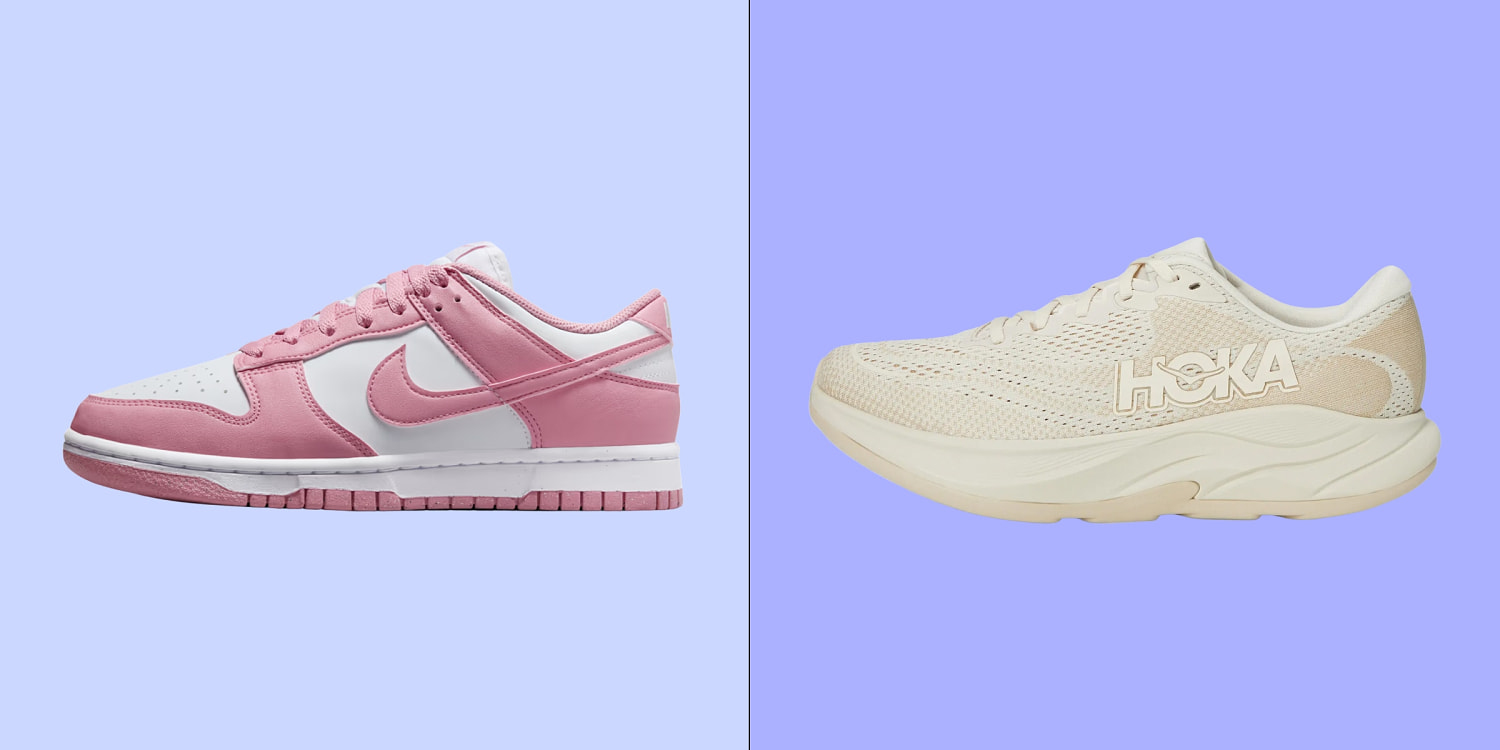
Parents shopping for back-to-school shoes this season face a coordinated pricing illusion offering up to fifty-five percent off major brands like Nike, Crocs, New Balance, and Brooks, though these steep markdowns rarely reflect genuine savings and instead rely on artificially inflated baseline prices designed to trick consumers into immediate panic-buying.
For two decades, I have tracked retail pricing architecture from the inside, watching supply chains shift from predictable seasonal clearouts to algorithmic price manipulation. The mechanics are simple. Retailers artificially spike the manufacturer suggested retail price weeks before August, slap a bold red clearance tag on the box, and present a fifty percent discount that brings the shoe right back to its actual market value.
The industry calls this anchor pricing. You call it manipulation.
The Anatomy of a Phony Markdown
Walk into any major footwear outlet in late July and the visual strategy hits you instantly. Bright neon signage shouts about massive blowouts. Racks are overflowing with colorful runners and court shoes from household names.
Nike and New Balance sit front and center. Their prominent placement is not an accident. These brands carry cultural weight and predictable demand spikes. Retailers know parents are stressed, running short on time, and desperate to check school supplies off the list before the first bell rings.
Behind the scenes, the margin math tells a different story. A pair of running shoes with a manufacturing cost of twelve dollars leaves the factory floor bound for a wholesale price of thirty dollars. The standard retail tag reads ninety dollars. When August arrives, the store marks that shoe down to forty-five dollars under the banner of a fifty percent back-to-school discount.
The consumer feels triumphant. The retailer still makes a fifteen-dollar profit per box.
This cycle repeats year after year because the psychology of urgency overrides consumer skepticism.
Why Brooks and Performance Footwear Play a Different Game
Performance brands like Brooks occupy a separate tier in the retail ecosystem compared to lifestyle giants like Nike and Crocs.
Specialty running stores protect their inventory tightly. You rarely see deep discounts on flagship support shoes because the specialty channel relies on fitting expertise rather than volume dumping. When Brooks models appear in mass back-to-school sales events, they are typically older generation stock or colorways that failed to move in the spring.
Footwear aging is a real phenomenon. The polyurethane foam midsoles used in modern athletic shoes degrade over time, even sitting in a dark stockroom box. Oxidation breaks down the cellular structure of cushioning foam after twenty-four to thirty-six months.
Buying a heavily discounted performance shoe from a three-year-old production run means you are purchasing compromised cushioning under the guise of thrift.
Sellers count on parents lacking the time to check production date codes printed on the inside tongue tags.
The Crocs and Foam Phenomenon
No modern back-to-school discussion is complete without addressing the dominance of molded foam footwear. Crocs transformed from a ridiculed gardening clog into a staple of youth culture through aggressive collaborations and relentless social media marketing.
The production cost of injection-molded Croslite resin is remarkably low. Pennies per pair.
When a back-to-school sale slashes forty percent off a pair of classic clogs, the merchant is still capturing a massive margin. The high volume of these transactions subsidizes lower-margin inventory elsewhere in the store.
Teens treat these shoes as canvases for decorative charms known as Jibbitz, turning a twenty-five-dollar piece of molded plastic into a customized fashion statement. Retailers capitalize on this by bundling accessories at checkout, recovering any margin lost on the initial footwear discount.
Reading the Fine Print on Clearance Racks
Bargain hunting requires looking past the percentage sign.
Look at the stock numbers. Notice how the deepest discounts always apply to limited size runs, oddball colors, or store-exclusive variants manufactured specifically for discount chains. Major brands often produce parallel product lines explicitly for outlet malls and promotional events, utilizing cheaper upper materials and simplified stitching while retaining the recognizable brand logo.
A branded sneaker bought at a department store clearance event is frequently not the same shoe found in a dedicated flagship boutique.
Weigh the sole. Feel the heel counter rigidity. Check the stitching density along the eyelets.
Manufacturers cut invisible corners to hit promotional price points without damaging the prestige of their primary tier items.
Strategic Buying for the Smart Shopper
Beating the retail cycle requires patience and an understanding of inventory cadence.
The absolute worst time to buy children's athletic shoes is the final two weeks of August. Demand peaks, inventory tightens, and psychological pricing reaches its aggressive peak.
The optimal window happens either in early June, when retailers clear out spring inventory to make room for football and soccer gear, or late September, after the initial back-to-school rush has completely flatlined and merchants panic over stagnant warehouse space.
If your child's foot size is stable, buy ahead during off-peak clearance windows.
Ignore the promotional noise. Check historical price trackers online if buying through digital storefronts. Never assume a sale tag represents a good deal simply because the retailer printed it in bold red ink.
The markup game depends on your fatigue. Rest up, check the production tags, and walk away when the math does not add up.