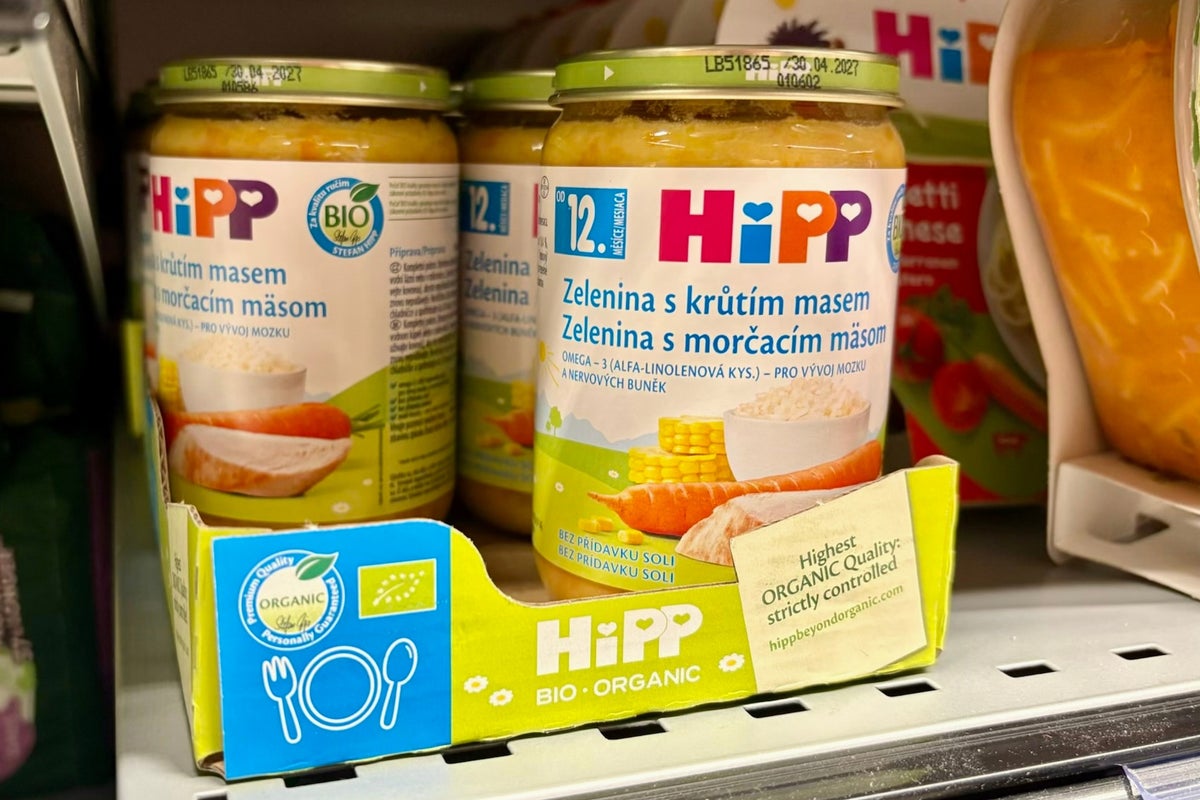
The arrest in Austria of a 39-year-old suspect for slipping rat poison into baby food is being celebrated as a victory for justice. The media is painting this as a terrifying anomaly, a freak occurrence, a lone wolf sabotaging the sacred pipeline of nutrition. HiPP, the manufacturer, is being praised for its swift recall and cooperation. Everyone is breathing a sigh of relief.
They are missing the point. Completely. For an alternative view, consider: this related article.
This incident is not a bug in the system. It is a feature. We have built a food distribution network so opaque, so centralized, and so reliant on the "trust me, I’m a brand" business model that it is functionally defenseless. If you believe your baby's food is safe because it comes in a factory-sealed jar, you are operating on a delusion. The suspect in Austria didn't break a system; he merely exposed the fragility of the one you rely on every single day.
The Tamper-Evident Illusion
We cling to the idea of the "tamper-evident" seal as if it were a cryptographic key. It is not. It is a glorified piece of plastic or a "pop" lid that provides the minimum viable reassurance required to move units from a shelf to a shopping cart. Similar coverage regarding this has been provided by Associated Press.
Think about the physical reality of a supermarket shelf. It is a public space. Thousands of hands touch these items daily. A determined actor—or simply a clumsy one—can bypass almost any consumer-level safety seal with tools found at a hardware store or even just a steady, practiced hand. We treat these seals like military-grade protection, yet they are designed for one thing: speed of manufacturing and cost-efficiency. They are meant to signal freshness, not to stop a saboteur.
When the Austrian authorities told parents to check for "strange smells" or "damaged lids," they were essentially crowdsourcing the security of the global food supply chain to exhausted, distracted parents. That is not a security protocol. That is a desperate gamble.
The Centralization Trap
We have offloaded the most intimate task of human survival—feeding our young—to massive, distant, hyper-centralized corporations. When you choose a brand, you aren't just buying food; you are buying into a massive, concentrated point of failure.
In the old world, if a batch of carrots was tainted, you threw out the batch. In the modern world, if a criminal hits a single production line or distribution hub, they can poison thousands of units across multiple countries. The scale that makes these companies efficient also makes them irresistible targets. By consolidating production into massive facilities and shipping goods across entire continents, we have created a logistical network that is almost impossible to secure.
You cannot guard every inch of a supply chain that stretches from a field in one country to a processing plant in another, and finally to a shelf in a third. You cannot screen every worker, every driver, and every store employee. The complexity is the vulnerability.
The Toxic Baseline We Ignore
The hysteria surrounding the rat poison case is performative. Why? Because while we scream about the rare criminal who might spike a jar with an acute toxin, we ignore the slow, consistent, and perfectly legal toxicity we pump into our children every day.
We tolerate heavy metals in baby food. We tolerate ultra-processed ingredients that strip nutrition in exchange for shelf stability. We tolerate a system that prioritizes "long-term storage" over "immediate nutritional availability."
If you want to talk about danger, let’s talk about the danger of convenience. The desire to never have to cook, to never have to source local ingredients, and to rely entirely on an industrial manufacturer for every calorie your child consumes is the true risk factor. The rat poison is just a headline-grabbing sharp edge. The real threat is the dull, grinding erosion of health caused by the very products that are "safely" sealed on the shelf.
The Economics of Fear
The extortion plot against HiPP is the most honest part of this story. It highlights the primary weakness of the modern corporation: their reliance on brand equity. They will burn millions to recall products—even when it's not their fault—because the perception of safety is more valuable than the reality of it.
If a company admits to a vulnerability, their stock tanks. If they recall products, they lose revenue. If they ignore a threat, they risk catastrophe. They are trapped in a cycle of managing optics. The extortionist knew this. They knew that the threat of a poisoned jar would force the company to act not because the company cared about the kids, but because the company cared about the brand.
You are collateral in this corporate PR war. When you see a "reassuring" statement from a brand after a tampering incident, recognize it for what it is: a move to protect the balance sheet, not a commitment to your family’s well-being.
The Only Real Defense
You cannot fix the industrial food system. It is too big, too complex, and too incentivized by profit margins to ever be truly secure. You have two choices: continue to play the Russian roulette of global supply chains, or opt out.
The "unconventional" advice? Stop treating the grocery store as the sole source of truth.
- Decentralize your dependency. If you are relying on jars from a factory for 100% of your child's intake, you are vulnerable. Start incorporating whole, raw ingredients that you source yourself. You cannot "tamper" with a raw sweet potato you bought at a local market, washed, and steamed in your own kitchen.
- Shorten the chain. The fewer hands that touch your food, the fewer opportunities for intervention. Direct-to-consumer farming, local co-ops, and home preparation are not "hobbies." They are defensive strategies for food security.
- Audit the ingredients, not just the seal. Stop looking for the "pop" of the lid and start looking for the chemical list on the back. The preservatives, the stabilizers, and the industrial additives are the real saboteurs. They are doing damage every single day, without the need for a criminal to break in.
The Austrian police arrested a man. They think they solved the problem. They haven't. They solved a specific crime, but they did nothing to fix the systemic weakness. The next extortionist is likely watching, learning from the mistakes of this one, and realizing exactly how easy it is to hold a brand hostage by simply rattling the cage of consumer trust.
The seal on that jar is a psychological pacifier. It keeps you buying, it keeps the system moving, and it keeps you compliant. Stop believing that a piece of plastic is keeping your child safe. Start taking the responsibility back from the machine that is happy to sell you safety while serving you something far less secure.
The vulnerability isn't the jar. It is your dependence on the jar. Break the dependency, or wait for the next "shocking" headline. The system doesn't care. It will keep churning out jars, and you will keep buying them, hoping against hope that this time, it’s actually clean.
It is time to stop hoping. It is time to start controlling what actually goes into the spoon.