Education costs a small fortune these days, so swapping out human educators for a chat interface feels like a slap in the face.
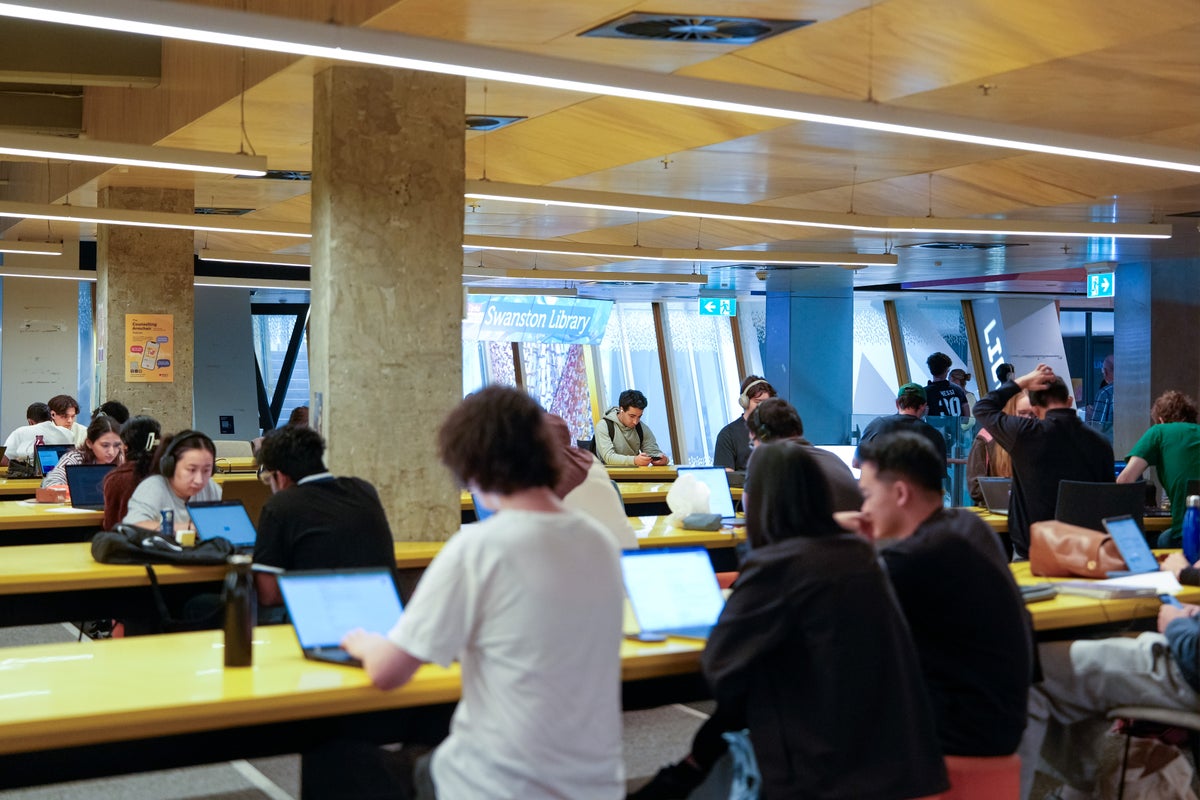
Students enrolled in psychology programs at an Australian university recently discovered that two of their subjects replaced traditional in-person classes with an artificial intelligence chatbot. Instead of debating theories with a qualified professor or hashing out complex case studies with peers, undergraduates typed their questions into a dialogue box. Universities pitch this as an innovative step toward personalized, scalable education. They talk about 24-7 availability and instant feedback. I call it a budget-cut disguised as progress. For another perspective, consider: this related article.
The Reality Of Automated Learning
You can't learn empathy from an algorithm. Psychology isn't just about memorizing diagnostic criteria from the DSM-5 or regurgitating historical experiments. It is about human connection, observing subtle non-verbal cues, and understanding the messy, unpredictable nature of human behavior. When an Australian university swaps human seminars for a text prompt, students lose the spontaneous debates that sharpen critical thinking.
Higher education institutions face immense financial pressures. Enrolment numbers fluctuate, administrative bloat drains resources, and campuses constantly chase the next tech trend to attract international students. Deploying a custom large language model for large lecture units scales incredibly well. It costs pennies compared to paying human tutors, adjuncts, and professors. Similar reporting regarding this has been shared by Engadget.
Yet, treating education like a software-as-a-service product destroys its core value. A computer program doesn't care if you're struggling to grasp cognitive behavioral therapy. It matches patterns in text and spits out polite, synthesized responses based on internet data.
What Actually Happens When You Chat With Code
I've tested various academic bots. They sound confident, professional, and entirely hollow. They lack lived experience. A human professor brings scars, clinical stories, and real-world nuance to a lecture hall. They can spot the glazed look in a student's eyes and pivot their teaching style on the spot.
Chatbots don't read the room. They parse tokens.
Supporters argue that students get immediate answers at three in the morning. Sure, you can ask a bot to explain classical conditioning at midnight. But does that substitute for the intellectual friction of a seminar? Absolutely not. Real learning happens when your assumptions get challenged by another person in real time.
Universities love to throw around buzzwords like digital transformation. They want you to believe that automated tutors represent the future of schooling. In reality, it pushes students toward isolated, transactional learning environments. You pay tens of thousands of dollars in tuition fees just to chat with a glorified predictive text engine.
The Broader Impact On Degrees
This shift degrades the value of a degree. Employers don't just hire graduates because they passed multiple-choice quizzes. They look for collaboration, emotional intelligence, and communication skills—things you build by sitting in a room with other human beings.
If your entire degree happens through a screen and a chatbot, you miss out on social development. You never learn how to articulate a complex idea out loud. You never practice public speaking or group negotiation.
We need to push back against this trend. Students should demand human instruction for their tuition dollars. If you're heading to university soon, look closely at course outlines. Ask departments how much face-to-face time you actually get with experts versus automated systems. Don't pay premium prices for automated correspondence courses. Education requires a human touch, and no amount of silicon valley hype can replace the real thing.