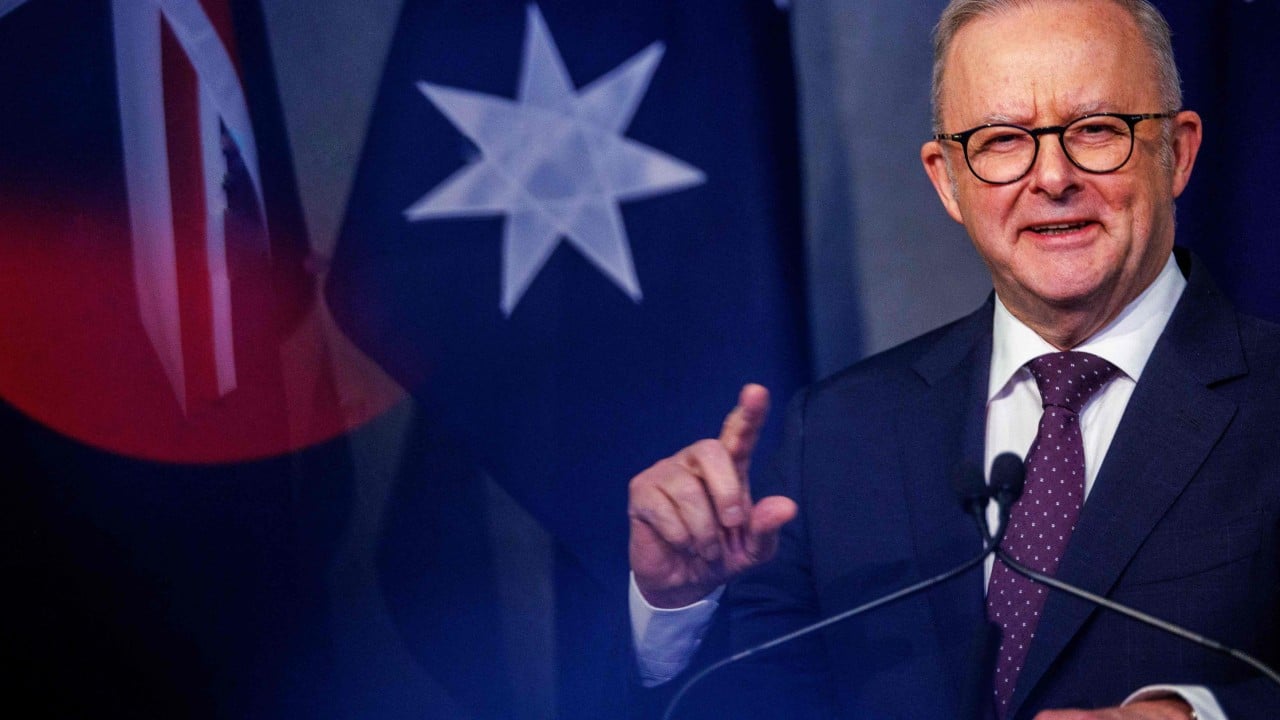
You can't rent an apartment in Sydney right now without competing against fifty other people in a line that stretches down the block. Rent prices are up, grocery bills are brutal, and everyday Australians are feeling trapped in a cost-of-living vice. It's exactly this economic pressure cooker that just triggered a political earthquake, forcing Prime Minister Anthony Albanese to scramble and promise aggressive cuts to Australia's migration intake.
The immediate catalyst wasn't a sudden change of heart from the center-left Labor government. It was fear. Pauline Hanson's right-wing populist party, One Nation, secured a historic breakthrough by winning its first-ever lower house seat in the federal electorate of Farrer. Even more alarming for the major parties, recent Newspoll data shows One Nation surging to 31% in primary support, sitting neck-and-neck with Labor and leaving the Coalition trailing behind.
When populists rise, mainstream politicians shift their rhetoric overnight. Albanese is now in damage control, trying to convince a skeptical public that his government can pull the brakes on migration before the voters punish him at the ballot box.
The Farrer By-Election and the Populist Surge
For three decades, One Nation was largely confined to the fringes of the Senate or localized Queensland politics. That changed completely when David Farley, a local farmer, captured the rural seat of Farrer. While a single seat in a 150-member House of Representatives won't topple Albanese's 94-seat majority, the symbolic blow is massive. Farrer was previously a safe stronghold for the mainstream conservative Liberals. One Nation didn't just win; they poached voters directly from the traditional right.
Hanson wasted no time tying the victory to a broader message, posting a direct mandate on social media to end net-zero targets, tackle the cost of living, and stop mass migration.
The mainstream parties are panicking because this isn't an isolated protest vote. Half of Australia's 27 million residents were either born overseas or have a parent who was, meaning the country has long been proud of its multicultural identity. Yet, thousands of people took to the streets in major capital cities to protest current intake numbers. The connection between infrastructure strain and raw numbers has become impossible for the major parties to ignore.
Why the Migration System Became an Easy Target
People aren't necessarily turning against migrants themselves; they're furious at a system that feels totally uncoordinated. When borders reopened after the pandemic, the influx of international students and temporary workers outpaced available housing supply almost immediately.
Recent Australian Primary Voter Support (Newspoll):
One Nation: 31%
Labor (ALP): 30%
Liberal-National Coalition: 18%
The Albanese government claims it has already engineered a 45% drop in the net migration rate from its post-pandemic peak. Albanese aggressively defended his record during a heated Question Time, firing back at Opposition Leader Angus Taylor by calling him the leader of the "Liberal One National Party" and accusing the Coalition of dog-whistling.
But the drop on paper hasn't translated to relief on the ground. Voters see lines at open inspections, understaffed hospitals, and soaring utility bills. When people hurt financially, complex macroeconomic arguments about aging demographics and filling skills shortages fall flat. They look for direct causes, and a high net overseas migration figure is a massive, visible target.
The Coalition and Labor Race to the Bottom
As One Nation gains ground, the two major political forces are rushing to match their rhetoric. The Coalition's shadow treasurer, Tim Wilson, admitted his party has a lot of work to do to present a bold vision that wins back those disaffected voters.
Angus Taylor raised the stakes during his budget reply speech, announcing plans to slash intake numbers far deeper than Labor's current targets and restrict permanent residents from accessing crucial social safety nets like the National Disability Insurance Scheme (NDIS) and JobSeeker payments. Currently, non-citizens already face years of waiting periods before accessing these benefits, so Taylor's policy is largely symbolic. But symbolism is what wins votes when populism is on the march.
Albanese called out these policy proposals as a blatant copy of One Nation's handbook, arguing that it threatens Australia's social fabric. Yet, at the exact same time, the government is quietly tightening visa requirements, introducing stricter English language tests for international students, and cracking down on vocational education providers used purely as backdoors for workplace entry. Both sides are playing the same game; they're just using different words to describe it.
What This Means for Everyday Australians
If you're planning on moving to Australia, or if you're already here on a temporary visa, the door is closing fast. The government's primary lever for reducing numbers is targeting the international student market and temporary skilled visas.
Here is what's changing right now:
- Stricter financial capacity requirements for student visa applicants to prove they can support themselves without relying entirely on local employment.
- Increased scrutiny on visa renewals inside the country, making it much harder to bounce from one short-term course to another just to extend a stay.
- Higher minimum salary thresholds for temporary skilled migration slots to ensure companies only bring in high-value workers rather than undercutting local wages.
Trade Minister Don Farrell tried to downplay the crisis, claiming that the populist wave will fade as quickly as it rose and won't reflect the final outcome of the next election in two years. That sounds like wishful thinking. The underlying economic drivers of this political shift—housing scarcity and inflation—aren't going away by next week.
If the major parties want to stop the bleeding, they have to fix the structural issues. Slashing migration numbers is an easy political win, but it won't magically build hundreds of thousands of new homes overnight. For now, expect the political rhetoric in Canberra to get much louder, sharper, and increasingly restrictive as both sides try to claw back voters from the populist right.