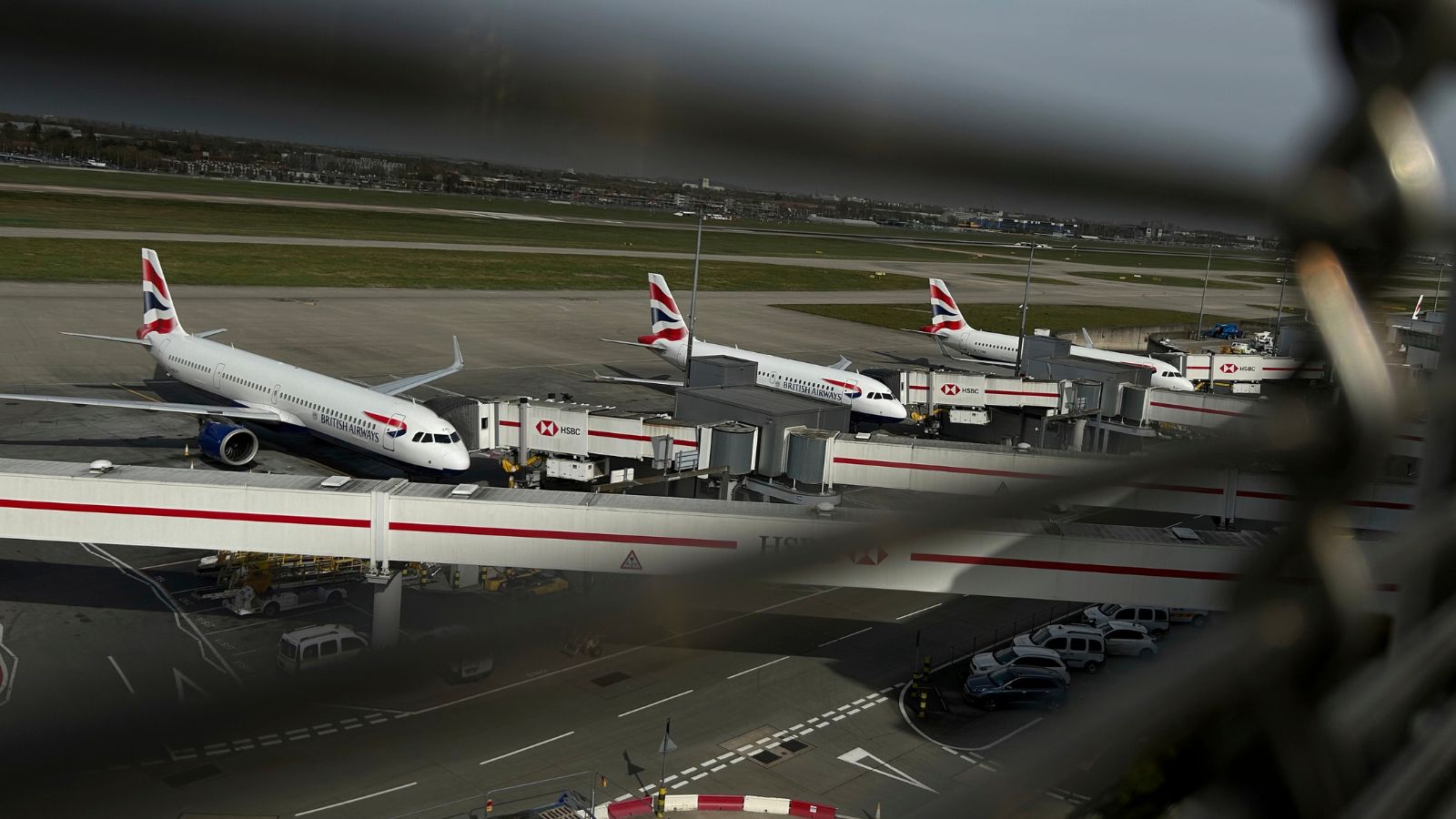
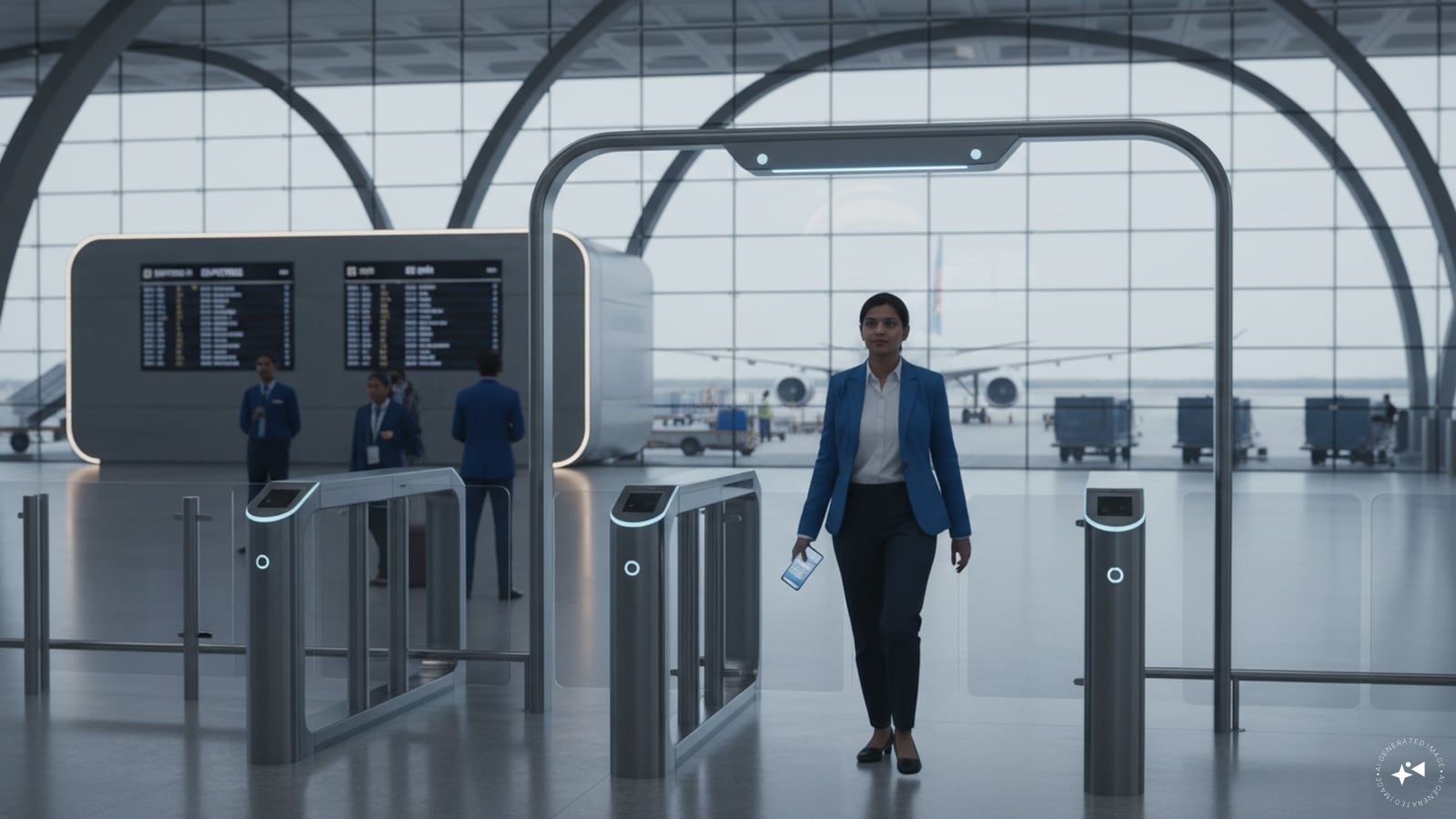
The coffee at the terminal stall in Denpasar was lukewarm, tasting faintly of the black sand that had recently coated the island like powdered ruin. For forty-eight hours, the glass windows of the airport had done nothing except vibrate. Not with the rumble of engines, but with the subterranean growl of Mount Lewotobi Laki-Laki, sitting hundreds of miles away on Flores Island, yet throwing its shadow—and its mineral breath—right across the archipelago.
Airports are designed to feel like timeless machines. They are sterile hallways of gray carpet, bright blue departure screens, and the hum of refrigeration units cooling duty-free gin. But when a volcano erupts, the machinery stops. The screens freeze. The carpets fill with bodies.
Take Maya, a thirty-four-year-old textile buyer from Surabaya whose flight home had evaporated into the sulfurous haze two mornings prior. She spent those forty-eight hours sleeping upright on a molded plastic chair, her leather sample case clutched between her ankles like a nervous pet. She wasn’t thinking about aviation protocols or tectonic pressure gradients. She was thinking about her daughter’s seventh birthday party, scheduled for Saturday afternoon, and the quiet, crushing realization that time, once broken by an act of geological violence, cannot simply be glued back together.
Multiply Maya by thousands.
In Indonesia, the sky is not merely a ceiling; it is a highway, a bridge, a lifeline connecting seventeen thousand islands. When the earth clears its throat, the bridge collapses. Mount Lewotobi Laki-Laki had roared to life with terrifying efficiency, sending plumes of ash miles into the stratosphere. To an ordinary observer standing on a beach, the sky might have looked merely hazy at sunset, painted in bruised purples and burnt oranges. To a jet engine spinning at ten thousand revolutions per minute, that haze was an invisible meat grinder.
Volcanic ash is not soft dust. It is pulverized glass.
When ingested by a turbine operating at extreme temperatures, that microscopic glass melts, coats the combustion chambers, and solidifies. The engine chokes. It dies. This is why aviation authorities across the globe treat a volcanic eruption not as a weather delay, but as a crisis of existential geometry. You do not negotiate with a cloud of molten stone. You wait.
For forty-eight hours, the waiting room of Indonesian aviation was a study in collective suspension. Airlines canceled routes across the board. Jetstar, Qantas, Virgin Australia—carriers linking the sun-bleached shores of Bali to the sprawling concrete expanses of Sydney and Melbourne—grounded their fleets. Passengers watched their phones like oracles, refreshing apps that only displayed red warning banners.
And then, the quiet shifted.
The wind changed direction. The seismic monitors registered a temporary stabilization. The civil aviation authorities, working alongside vulcanologists who had barely slept in a week, looked at the radar loops, looked at the ash dispersion models, and made the call.
The runway lights flickered back on.
Standing on the tarmac as the first flight to and from Jakarta prepared for boarding, the air tasted clean again, washed by a brief tropical downpour that had pinned the remaining dust to the earth. There was no fanfare. No marching bands. Just the sharp, metallic whine of an APU spinning up, followed by the deep-throated roar of twin turbofans pushing against the brakes.
Maya walked across the tarmac, her hand brushing the strap of her sample case. As the cabin door of the Boeing 737 sealed shut, cutting off the humid roar of the outside world, a collective sigh moved through the rows of passengers. It was the sound of a lung releasing breath it had held for two days.
When the aircraft rotated off the runway and punched through the low-hanging clouds, the world below looked entirely normal once more. The patchwork green of the rice terraces unfolded beneath the wing, shimmering in the equatorial sun. The ocean stretched out in a sheet of hammered silver.
Yet, looking out the window, every passenger knew the truth beneath the silence. The earth remains an active participant in our daily itineraries. We negotiate our lives around schedules, timetables, and digital confirmations, pretending we have conquered distance. But every so often, a mountain remembers its own power, and we are reminded that we are merely visitors, hitching a ride on a very restless rock.