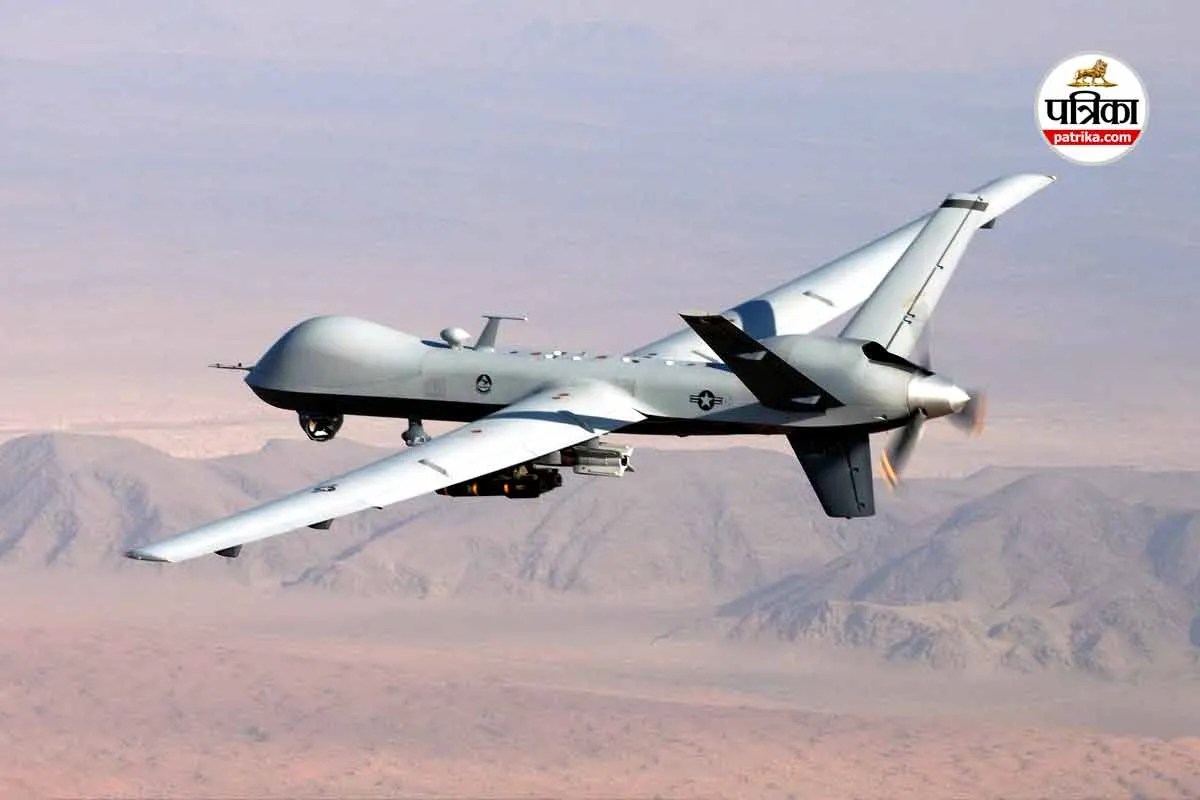
जब भी हॉर्मुज जलडमरूमध्य का नाम आता है, दुनिया भर के तेल बाजारों में हलचल मच जाती है। इस बार मामला सिर्फ टैंकरों के आवागमन का नहीं, बल्कि सीधे तौर पर अमेरिका और ईरान के बीच आसमान में छिड़ी खुली जंग का है। हाल ही में ईरानी रिवोल्यूशनरी गार्ड कॉर्प्स (IRGC) और नौसेना ने दावा किया कि उन्होंने दक्षिणी तट और केशम द्वीप के पास अमेरिका के एक और अत्याधुनिक MQ-1 ड्रोन को मार गिराया है। यह घटना कोई साधारण सैन्य झड़प नहीं है, बल्कि इस बात का स्पष्ट प्रमाण है कि पश्चिम एशिया का आसमान अब विदेशी निगरानी विमानों के लिए एक डरावना क्षेत्र बन चुका है।
आसमान में बढ़ता टकराव और ईरानी वायु रक्षा प्रणाली
हॉर्मुज के इस संकरे समुद्री रास्ते पर नियंत्रण को लेकर दशकों से तनाव की स्थिति बनी हुई है। लेकिन हालिया महीनों में जिस आक्रामक तरीके से ड्रोन गिराए जाने की खबरें सामने आ रही हैं, उसने पेंटागन की रणनीतिक योजनाओं को गहरी चुनौती दी है। ईरान लगातार यह साबित करने में जुटा है कि उसका घरेलू और एकीकृत वायु रक्षा नेटवर्क अब पहले से कहीं अधिक घातक और सटीक हो चुका है।
कुहेश्तेक और सिरीक के तटीय इलाकों में जिस नए नौसैनिक एयर डिफेंस सिस्टम का उपयोग करके इस ड्रोन को निशाना बनाया गया, वह तेहरान के बढ़ते रक्षा कौशल को उजागर करता है। अमेरिकी सेंट्रल कमांड (CENTCOM) भले ही ऐसे नुकसानों पर आधिकारिक बयानों में संयम बरते, लेकिन ज़मीनी हकीकत यह है कि इस क्षेत्र में अमेरिकी सैन्य संपत्तियां लगातार ईरानी मिसाइल और रडार तंत्र के रडार पर हैं।
तेल और ऊर्जा सुरक्षा पर मंडराता असली खतरा
इस भू-राजनीतिक उथल-पुथल का सबसे घातक असर वैश्विक अर्थव्यवस्था और ईंधन आपूर्ति पर पड़ रहा है। हॉर्मुज जलडमरूमध्य दुनिया की तेल धमनियों में से एक है। दुनिया का एक बड़ा हिस्सा कच्चा तेल और एलपीजी इसी रास्ते से होकर अंतरराष्ट्रीय बाजारों तक पहुंचता है।
हाल ही में जब इसी इलाके में एक एलपीजी टैंकर बारूदी सुरंग की चपेट में आया और उसमें भीषण विस्फोट हुआ, तो समुद्री व्यापार जगत में खलबली मच गई। ईरान का तर्क है कि जहाजों को बार-बार चेतावनी दी जाती है कि वे सामरिक दृष्टि से संवेदनशील और प्रतिबंधित समुद्री क्षेत्रों से दूर रहें। इसके बावजूद ऊर्जा आपूर्ति के दबाव में कमर्शियल जहाजों को भारी जोखिम उठाना पड़ता है। जब आसमान में ड्रोन मलबे में तब्दील हो रहे हों और समंदर के भीतर बारूदी सुरंगें सक्रिय हों, तो ग्लोबल सप्लाई चेन का कांपना लाजिमी है।
कूटनीति के रास्ते बंद या बस एक और संघर्ष विराम का छलावा?
इस वर्तमान सैन्य संकट की जड़ें उस व्यापक संघर्ष में हैं जो इस साल फरवरी के अंत में अमेरिकी और इजरायली हमलों के साथ शुरू हुआ था। तब से लेकर अब तक यह पूरा क्षेत्र एक सुलगती बारूद की भट्टी जैसा है। बीच-बीच में वार्ताओं के दौर चले, लेकिन वे केवल कागजी समझौते साबित हुए।
बहरीन की ओर बढ़ने वाले ड्रोन को अमेरिकी सेना द्वारा मार गिराए जाने के दावे और दूसरी तरफ ईरान द्वारा अमेरिकी रडार पर हमले की बात यह दर्शाती है कि यह तनाव अब सीमाओं से निकलकर क्षेत्रीय युद्ध का रूप ले चुका है। कूटनीति के दरवाजे लगभग बंद हो चुके हैं, और जब भी कोई सैन्य विमान उस संवेदनशील हवाई सीमा को पार करता है, तो महायुद्ध की आशंका और अधिक गहरी हो जाती है।
अनिश्चितता का दौर और आने वाले खतरे
यदि आप यह मानकर चल रहे हैं कि यह तनाव अपने आप शांत हो जाएगा, तो आप पश्चिम एशिया के जटिल समीकरणों को पूरी तरह से नजरअंदाज कर रहे हैं। ईरान अपनी रक्षात्मक और जवाबी कार्रवाई की क्षमताओं को लगातार अपग्रेड कर रहा है, वहीं वाशिंगटन भी पीछे हटने के मूड में नहीं दिखता। इस कूटनीतिक शतरंज के खेल में हर एक ड्रोन का गिरना केवल एक विमान का नुकसान नहीं है, बल्कि यह दोनों देशों के बीच वर्चस्व की उस जिद्द का प्रतीक है जो किसी भी वक्त बड़े विध्वंस में बदल सकती है।
आने वाले दिनों में इस समुद्री मार्ग से गुजरने वाले हर एक जहाज और विमान को अभूतपूर्व सुरक्षा जोखिमों का
Why the Latest Drone Shootdown Near the Strait of Hormuz Changes Everything
news
The Strait of Hormuz is the world's most volatile maritime bottleneck. When military hardware drops out of the sky here, global markets flinch and defense planners panic. The recent downing of an advanced American MQ-1 drone by Iranian forces near this crucial waterway isn't just another routine skirmish in a decades-long cold war. It marks a sharp escalation in electronic and kinetic warfare playing out in the Persian Gulf.
If you think this is just local posturing, you aren't paying attention. The Persian Gulf handles a massive chunk of global oil transit. Every time Tehran tests Washington's red lines with sophisticated air defense maneuvers, the risk of a miscalculation triggering a wider regional conflict spikes dramatically.
Understanding the Strategic Weight of the Strait of Hormuz
Geography dictates power in the Middle East. The Strait of Hormuz is barely twenty-one miles wide at its narrowest point. Iranian coastline dominates the northern edge, meaning any commercial tanker or military asset passing through is well within range of coastal missile batteries, fast attack craft, and radar-guided interceptors.
For years, both sides have played a high-stakes game of cat and mouse. Washington deploys high-altitude surveillance platforms like the MQ-1 Predator and its heavier successors to monitor Revolutionary Guard naval movements. Tehran views these flights as blatant sovereignty violations and direct espionage operations.
When an MQ-1 goes down, it confirms a terrifying reality for Western military planners. Iranian air defense networks have matured. They are no longer relying on outdated Soviet-era surplus. They are integrating domestic radar technology and surface-to-air missile systems capable of tracking and destroying expensive, high-altitude assets flying just outside or right along contested airspace boundaries.
How Drone Warfare Has Rewritten the Rules of Engagement
Drones were supposed to keep pilots safe and reduce the political cost of conflict. They were supposed to offer a clean, bloodless way to gather intelligence. Reality turned out much messier.
When you lose a multimillion-dollar aircraft over international or disputed waters, the political fallout is immediate. You cannot simply shrug it off. President Biden or any sitting commander-in-chief faces immense pressure to respond with kinetic force or heavy economic retaliation. Yet, launching a retaliatory strike risks opening a multi-front war that nobody in Washington or Tehran actually wants.
Iran knows this dynamic intimately. They operate on the margins of threshold warfare. They push hard enough to rattle international shipping and test American resolve, but they usually stop just short of triggering a full-scale conventional invasion. Shooting down an MQ-1 sends a loud signal to regional allies and adversaries alike. Tehran wants everyone to know that American air dominance in the Gulf is no longer absolute.
The Economic Aftershocks No One Is Talking About
Energy traders hate uncertainty. Within hours of reports confirming the drone's destruction, crude futures ticked upward. It happens every single time tensions flare in the Gulf.
Insurance premiums for commercial oil tankers transiting through Hormuz shoot through the roof. Shipping companies pass those costs down to consumers, feeding global inflation loops that affect everything from fuel prices at your local pump to manufacturing supply chains halfway across the world.
Think about the logistical nightmare. If insurance underwriters decide the Strait is too dangerous to insure, shipping traffic slows to a crawl. Alternative pipelines exist, but they cannot carry the sheer volume of petroleum that moves through those twenty-one miles of water every single day.
Why Washington Faces a Trap of Its Own Making
The Pentagon is caught in a strategic bind. If they ignore the shootdown, deterrence erodes. Adversaries like China, Russia, and regional proxies take note, concluding that the United States lacks the stomach to protect its assets in key geopolitical zones.
On the flip side, responding aggressively risks handing hardliners in Tehran the exact propaganda victory they crave. Iranian state television uses every downed American aircraft to rally domestic support against economic sanctions and foreign interference. It feeds a narrative of resistance that keeps the current regime anchored in power despite severe domestic economic headwinds.
Military analysts have warned for years that asymmetric warfare heavily favors regional actors. You spend millions building and flying a sophisticated reconnaissance drone. They spend a fraction of that cost firing a surface-to-air missile to turn it into scrap metal. The financial and strategic math simply does not add up for long-term sustainability.
What Happens When Deterrence Fails
We are moving into an era of unpredictable friction. Traditional rules of engagement established during the Cold War do not apply when automated systems, fast-moving drones, and regional proxy networks collide in cramped maritime spaces.
Expect more close calls. Expect electronic jamming, laser blinding incidents against cockpit sensors, and sudden airspace closures. The margin for error in the Persian Gulf is effectively zero.
If you rely on global supply chains, stable energy markets, or regional peace, you need to watch how Washington and Tehran manage the aftermath of this latest shootdown. The next escalation might not involve an unmanned drone. It might involve a crewed vessel or a port facility, and at that point, diplomatic off-ramps will disappear entirely. Keep your eyes on the shipping data and the rhetoric coming out of the Gulf over the coming weeks, because the status quo is officially dead.