The institutionalization of bilateral defense frameworks in the Middle East and South Asia has shifted from opaque military advisories to formalized, public collective-security architectures. The public confirmation by Islamabad that substantial military forces and hardware remain positioned in Saudi Arabia under recent security pacts requires a rigorous structural deconstruction. Beyond diplomatic signaling, this deployment represents a functional recalculation of regional deterrence, asset allocation, and state survival economics.
The Tripartite Security Mechanics
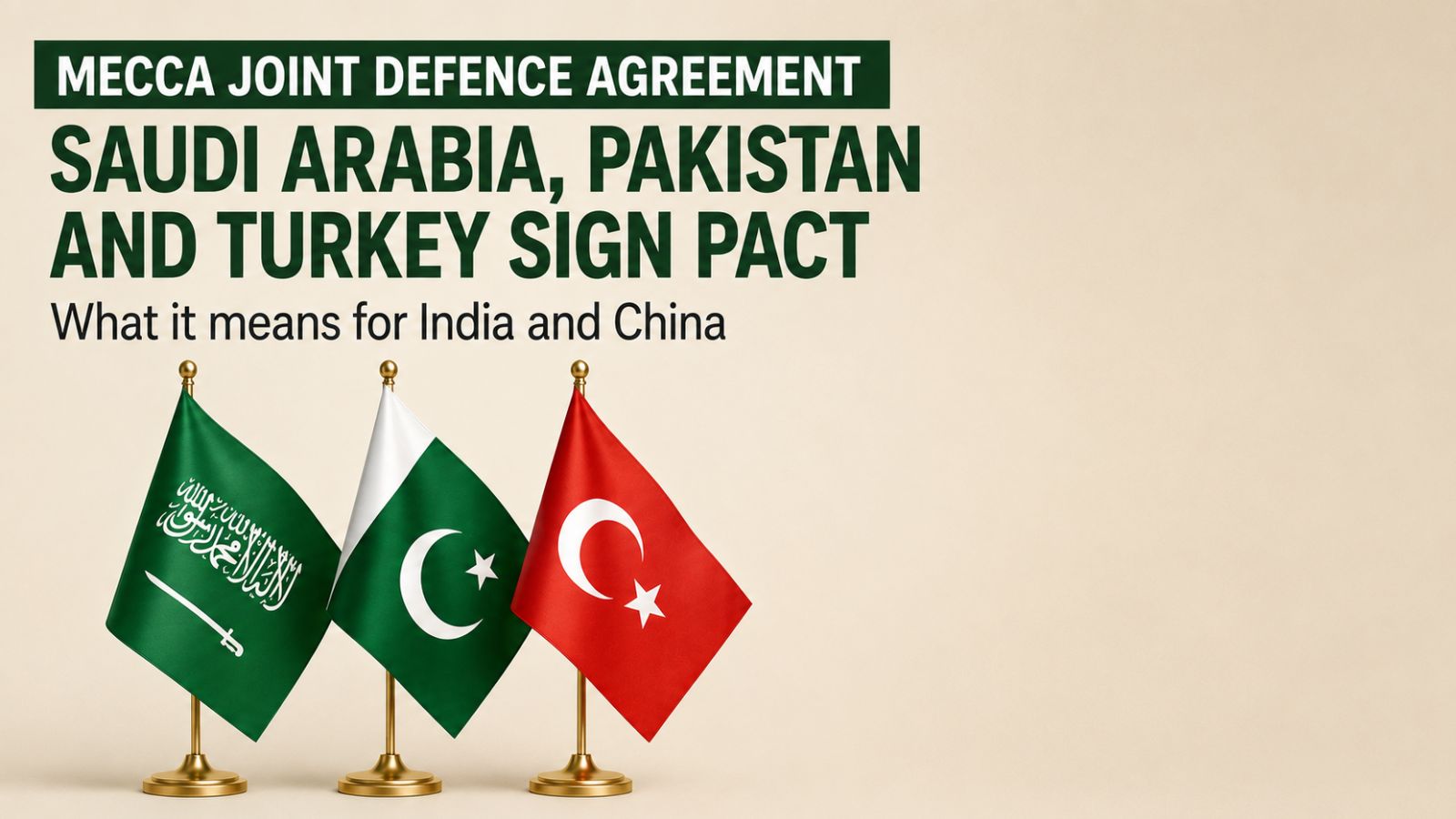
To understand the operational gravity of the forces stationed in Riyadh, one must dissect the underlying mechanics governing the Strategic Mutual Defence Agreement and the subsequent Makkah framework involving Pakistan, Saudi Arabia, and Turkey. Traditional security guarantees in the Gulf relied heavily on Western external balancing. The current architecture introduces internal and regional balancing models designed to mitigate asymmetric threats without triggering direct superpower escalation.
The mechanism operates through three distinct operational vectors:
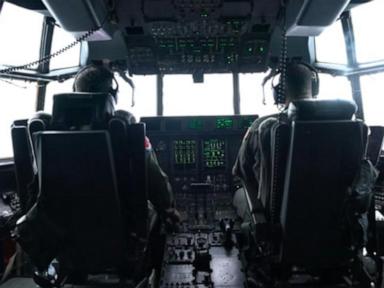
- Asset Integration and Air Defense: Deployments are not limited to infantry or traditional ground elements. Modern iterations incorporate mobile air defense batteries, tactical aviation components, and electronic surveillance assets designed to counter low-altitude aerial threats.
- Doctrinal Synchronization: The integration of foreign forces into a sovereign Gulf command structure requires standardized communication protocols, shared early-warning data streams, and synchronized rules of engagement.
- Credible Deterrence Credibility: A deterrent fails if the cost of aggression is perceived as low. By embedding an external nuclear-capable state's conventional footprint within its perimeter, Riyadh alters the calculus for regional adversaries attempting localized missile or drone strikes.
The Cost Function of Interstate Security Pacts
Every formal defense pact involves an implicit trade-off between strategic autonomy and territorial security. For Islamabad, deploying troops abroad creates an internal opportunity cost regarding domestic force readiness and counter-insurgency commitments along its western borders. However, these risks are offset by financial inflows, energy security guarantees, and macroeconomic stabilization mechanisms provided by the Gulf.
For Riyadh, the calculus centers on capability substitution. Building a native military apparatus capable of full-spectrum dominance across asymmetric and conventional domains requires capital expenditure that yields diminishing marginal returns due to human capital constraints. Outsourcing specialized operational depth to a battle-tested allied military allows the kingdom to optimize its defense budget allocation toward high-tech procurement rather than raw force multiplication.
Strategic Boundaries and Operational Constraints
Despite the expansive language of collective defense, operational execution remains bounded by strict geopolitical realities. Pakistani leadership has consistently emphasized the defensive posture of these deployments, explicitly limiting engagement parameters to territorial sovereignty protection rather than offensive projection into regional theaters like Yemen.
This distinction creates a structural friction point:
- The Threshold Problem: Low-intensity asymmetric harassment, such as targeted drone incursions or proxy-driven infrastructural sabotage, rarely meets the threshold required to invoke broad collective-defense clauses.
- The Command Dilemma: In a multi-nation alliance, operational friction arises over ultimate command authority during an active crisis. Strategic ambiguities regarding who controls the decision-making loop can delay rapid-response capabilities.
Strategic Outlook
The endurance of this defense configuration will not be measured by the raw headcounts of deployed personnel or the frequency of ministerial summits. Its viability depends on its capacity to absorb localized shocks without expanding into a wider conflagration. As regional actors continue to test the boundaries of Gulf security, the operational test will be whether institutionalized deterrence can successfully raise the adversary's cost function high enough to enforce strategic stability.
Pakistan has 'substantial' forces deployed in Saudi Arabia - Arab News
This video provides direct confirmation and context from the Pakistani foreign ministry regarding the nature and scale of forces stationed in the kingdom.